 Contact Us Now
Roof Drain and Scupper Repair in Cheyenne, WY
A roof scope for Roof Drain and Scupper Repair has to start with what the building is doing today. We consider Frontier Mall and nearby service buildings, snow drift at parapets and rooftop units, Capitol Avenue office buildings, and F.E. Warren Air Force Base area contractors before we recommend work.
That keeps the scope tied to the roof that is actually on the building: membrane condition, seams, metal, drainage, rooftop units, access, tenant needs, and timing.
Roof drains and scuppers on Cheyenne commercial buildings take more abuse than those in virtually any other US climate zone at comparable latitude. The combination of heavy snowfall, prolonged below-freezing temperatures, and the spring thaw cycle creates conditions that damage drainage components in ways that go well beyond the gradual clogging from leaves and debris that characterizes drainage problems in milder climates. In Cheyenne, drains freeze solid for weeks at a time during hard winters, creating ice plugs that put hydrostatic pressure on drain body seals, displace strainer assemblies, and crack cast iron or plastic drain bodies that were not designed for sustained ice pressure. When spring thaw arrives and those ice plugs release, the drainage system must suddenly handle the full volume of snowmelt from months of accumulation, and components that were damaged by the winter freeze may fail precisely when drainage demand is highest.
Overflow drain freezing is a specific and serious problem on Cheyenne commercial flat roofs. Overflow drains are installed above the primary drain level to prevent catastrophic ponding if primary drains become blocked. In Cheyenne's winters, overflow drains, which by design sit above normal water levels and are rarely wetted during dry periods, are highly susceptible to freezing solid early in the cold season and remaining frozen through March or April. A frozen overflow drain is no overflow drain at all: if the primary drain blocks during a heavy snowmelt event and the overflow is frozen, water has nowhere to go and will rise to whatever level is necessary to find an alternative exit, which is usually through flashings, penetrations, or over the parapet. We inspect and clear overflow drains as a specific priority in fall maintenance visits and again in spring as part of post-thaw restoration.
Spring thaw drain restoration is a service that Cheyenne commercial building owners should schedule proactively rather than reactively. By late April, when snowpack is melting and drainage demand is rising, drains that have been frozen or partially functional all winter need to be inspected, cleared, and tested before they are counted on to handle peak melt flows. Spring restoration service includes removing accumulated debris and ice from drain basins, inspecting drain body seals and clamping rings for freeze damage, testing drain flow by flooding the basin and timing discharge, and confirming that overflow drains are clear and functional. Buildings that have spring drain restoration performed consistently have far fewer thaw-season leak events than those that discover drainage problems when water is already backing up into the building.
Large warehouse scupper capacity is a specific drainage engineering concern for Cheyenne Logistics Hub and Campstool Business Park buildings. Flat-roof warehouses in these zones may have 50,000 to 150,000 square feet of roof area draining to a relatively small number of through-wall scuppers. When scupper size was designed for typical rain events but not for the combined flow of heavy spring snowmelt plus rain, which is exactly what Cheyenne's April and May weather routinely produces, scuppers cannot move water off the roof fast enough. The result is ponding that rises to levels that would not occur in a drainage-adequate system. We assess scupper capacity against the actual roof area they serve and the design precipitation rate for Cheyenne, and we recommend scupper enlargement or supplemental drain installation when existing capacity is insufficient.
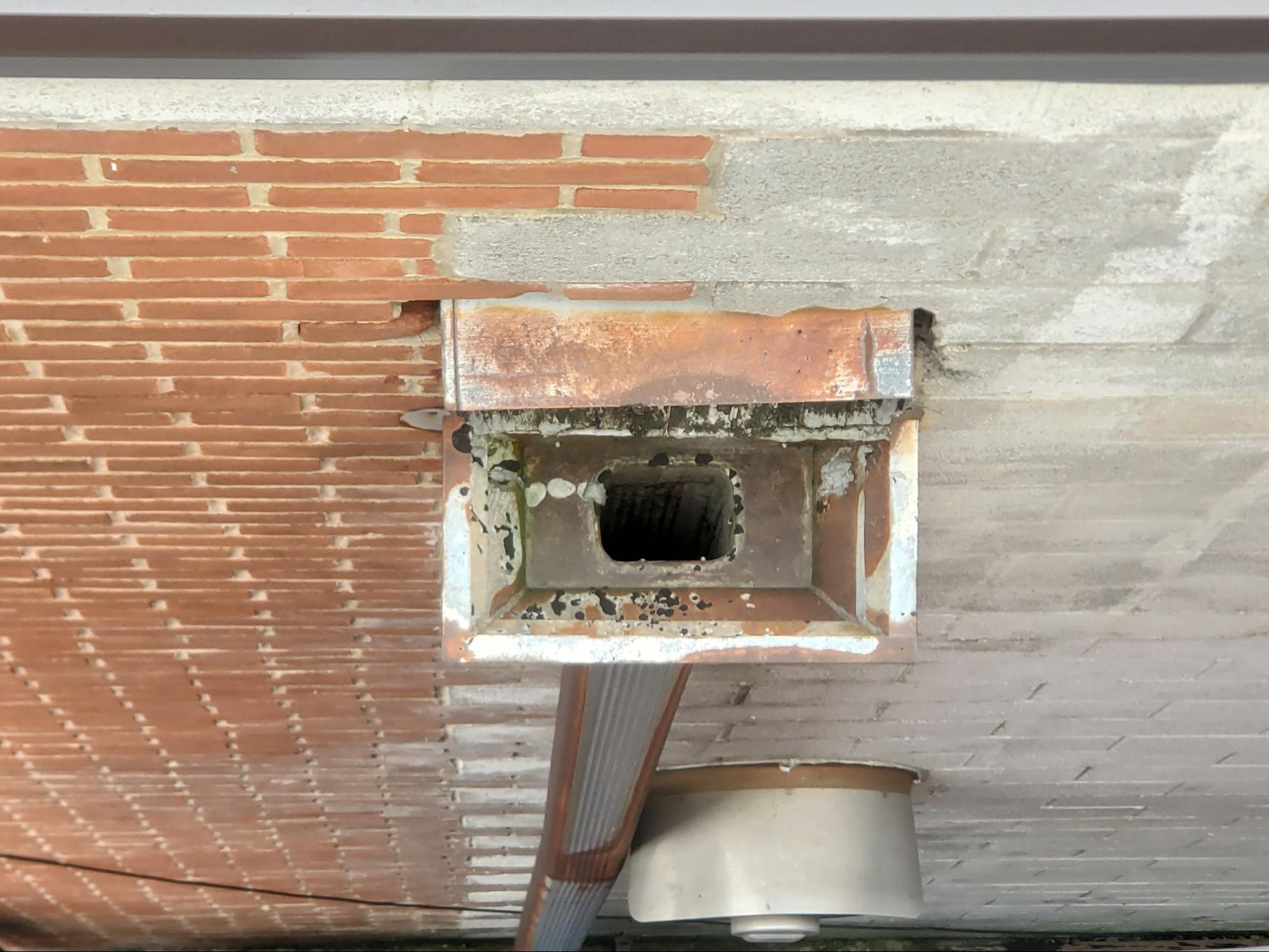
Scupper repair on older Cheyenne commercial buildings typically involves deteriorated flashing at the scupper throat, damaged metal scupper liners, and failed sealant joints at the wall penetration. Scuppers penetrate parapet walls at or near the roof surface level, a location that experiences concentrated freeze-thaw stress as water drains toward the scupper, pools against the parapet, and freezes in cold weather. The metal liner at the scupper throat is subjected to expansion and contraction from this freeze-thaw cycling and from thermal movement in the metal itself. Sealant joints at the scupper-to-wall interface that fail allow water to enter the parapet wall cavity, where it can damage insulation, corrode metal studs, and freeze-expand into the masonry. Scupper repair that addresses only the liner and not the adjacent flashing and sealant conditions will need to be repeated within a few years.
Interior roof drain body replacement is occasionally necessary on older Cheyenne commercial buildings where cast iron or early plastic drain bodies have been cracked by freeze pressure or damaged by repeated heavy snow loads on the roof surface above them. A cracked drain body leaks at the crack rather than through the drain opening, and the leak path may be into the deck assembly or the ceiling plenum rather than to a visible interior location, making the source difficult to identify without pulling the ceiling near the drain. We identify cracked or failed drain bodies during drainage system inspections and replace them as a remediation item, ensuring that the new drain body is properly integrated with the existing membrane and insulation at the drain flange.
Drain maintenance programs for Cheyenne commercial buildings should include annual drain cleaning, at minimum before winter and after spring thaw, plus inspection of drain clamping rings, membrane-to-drain flange seals, and overflow drain function. Drain cleaning is one of the least expensive maintenance items on a commercial building and one of the most consequential when deferred. A drain that is 50% blocked by debris handles only a fraction of its rated flow capacity. In Cheyenne's drainage-critical climate, a partially blocked drain is not a minor housekeeping issue, it is an active risk factor for ice loading and spring thaw backup. We include drain maintenance in all scheduled maintenance program visits and document drain condition and flow rates after each service.
New drain installation for buildings with insufficient drainage capacity is a surgical roofing project that requires core drilling through the deck, plumbing work to connect the new drain leader, and membrane integration at the new drain location. On occupied buildings, drain installation must be coordinated with interior work to connect the drain leader to the building's storm drainage system without disrupting operations. We scope new drain installations as standalone projects for buildings with identified drainage deficiency and as integrated components of re-roofing projects when the full roof is being replaced. The cost of adding two or three drains to a 60,000-square-foot warehouse during a re-roofing project is a minor increment to the total project cost, and it may be the most valuable improvement the re-roofing project delivers.
Cheyenne building owners should recognize that drainage system adequacy is a roof performance multiplier, a well-drained roof with an average membrane will outperform a poorly drained roof with an excellent membrane. Every hour of ponding water on a Cheyenne roof is a potential freeze event in nine months of the year. Every blocked overflow drain is a catastrophic ponding risk waiting for the right combination of heavy snowmelt and a blocked primary drain to reveal itself. Investing in drainage system maintenance and capacity upgrades is not as visible as a new membrane installation, but it produces measurable improvements in roof system performance and service life that justify the investment on every Cheyenne commercial building where drainage adequacy is in question.
Questions Owners Ask
How often should roof drains be cleaned on a Cheyenne commercial building?
At minimum twice per year: once in fall before freeze-up (October) and once in spring after thaw (late April or May). Buildings with significant tree coverage or HVAC equipment that sheds debris may benefit from a third cleaning in late summer. The fall cleaning ensures drains enter the winter in clear condition so that freeze-up occurs in a clean drain rather than a debris-packed one. The spring cleaning restores full drainage function before peak snowmelt demand arrives. These are the two highest-leverage drain maintenance events in Cheyenne's climate.
What are signs that my Cheyenne commercial building has a drainage problem?
Visible ponding water on the roof surface 48 hours after precipitation ends is the clearest sign. Interior water stains or active leaks during spring thaw that do not correspond to obvious membrane damage suggest drainage backup. Parapet wall staining or efflorescence at scupper locations indicates scupper backup or failure. Ice dams visible at roof edges or scuppers during winter indicate that water is backing up behind frozen drainage components. Any of these signs warrants a drainage assessment before the next winter season to prevent escalating damage.
Can overflow drains be winterized to prevent freezing?
Overflow drain heating tape is an option on some buildings, particularly those where overflow drain freezing has caused documented problems. Electric heat trace installed in the overflow drain leader keeps the drain body above freezing during cold periods. The cost of heat trace installation and operation must be weighed against the risk of overflow backup and the building's drainage geometry. For most Cheyenne commercial buildings, proactive fall and spring drain maintenance is a more cost-effective approach than winterization hardware, but for buildings with chronic overflow freeze problems, heat trace is worth evaluating.
How do I know if my warehouse scuppers are large enough for Cheyenne snowmelt flows?
Scupper adequacy can be calculated using the roof area served, the design rainfall intensity for Cheyenne (available from NOAA precipitation frequency data), and any snowmelt contribution from accumulated snowpack. The calculation produces a required flow rate that can be compared to the hydraulic capacity of your existing scuppers at the actual head of water the roof can accumulate before it reaches overflow level. We perform this calculation as part of drainage assessments for large warehouse buildings and compare it to observed flow conditions during spring thaw events when we have inspection data from those periods.
What causes the membrane around roof drains to fail more often than the field membrane?
Drain areas concentrate multiple stress factors. The membrane must transition from horizontal to a curved surface descending into the drain body, a geometry that creates stress concentrations under thermal movement. The drain clamping ring that compresses the membrane into the drain body must maintain consistent pressure as the metal and membrane expand and contract through temperature cycles. Ice formation at partially blocked drains creates uplift pressure that stresses the membrane-to-drain seal. Foot traffic concentrates near drains during maintenance. And chemical concentration in ponded water accelerates membrane degradation at drain low points. All of these factors combine to make drain areas the most maintenance-intensive sections of any commercial flat roof.
Related Roof Work
Useful next pages for this roof decision.
Commercial Roofing
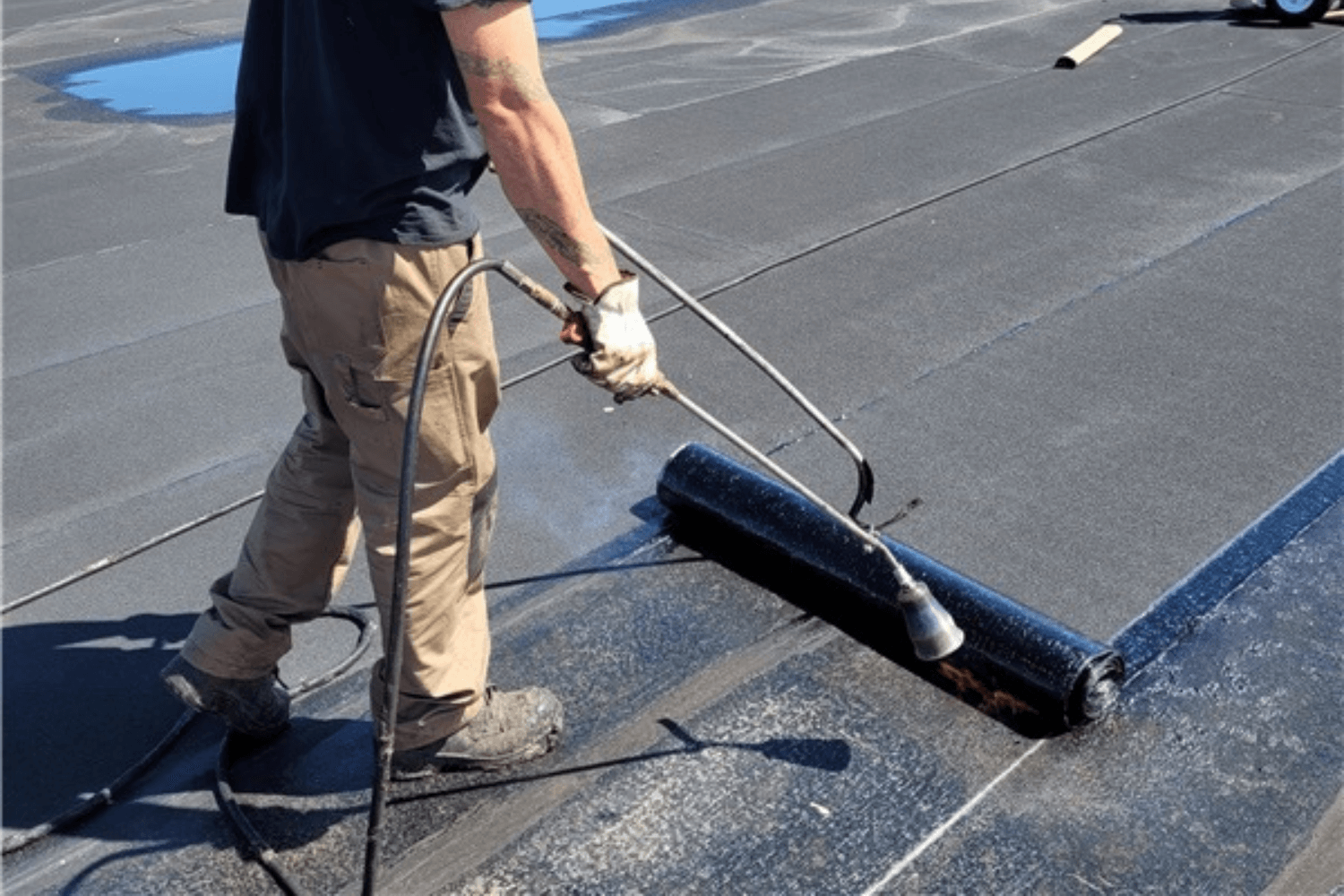
Commercial Roofing is scoped around F.E. Warren Air Force Base area contractors, freeze-thaw cycles after spring storms, and Cheyenne Regional Medical Center area offices. The scope stays practical: stop water first, document the roof, then choose the repair or replacement path that fits the building.
View Scope
Competitive Bid Coordination
Competitive Bid Coordination is scoped around snow drift at parapets and rooftop units, Capitol Avenue office buildings, and F.E. Warren Air Force Base area contractors. We keep access, weather windows, and tenant disruption in the plan before crews step onto the roof.
View Scope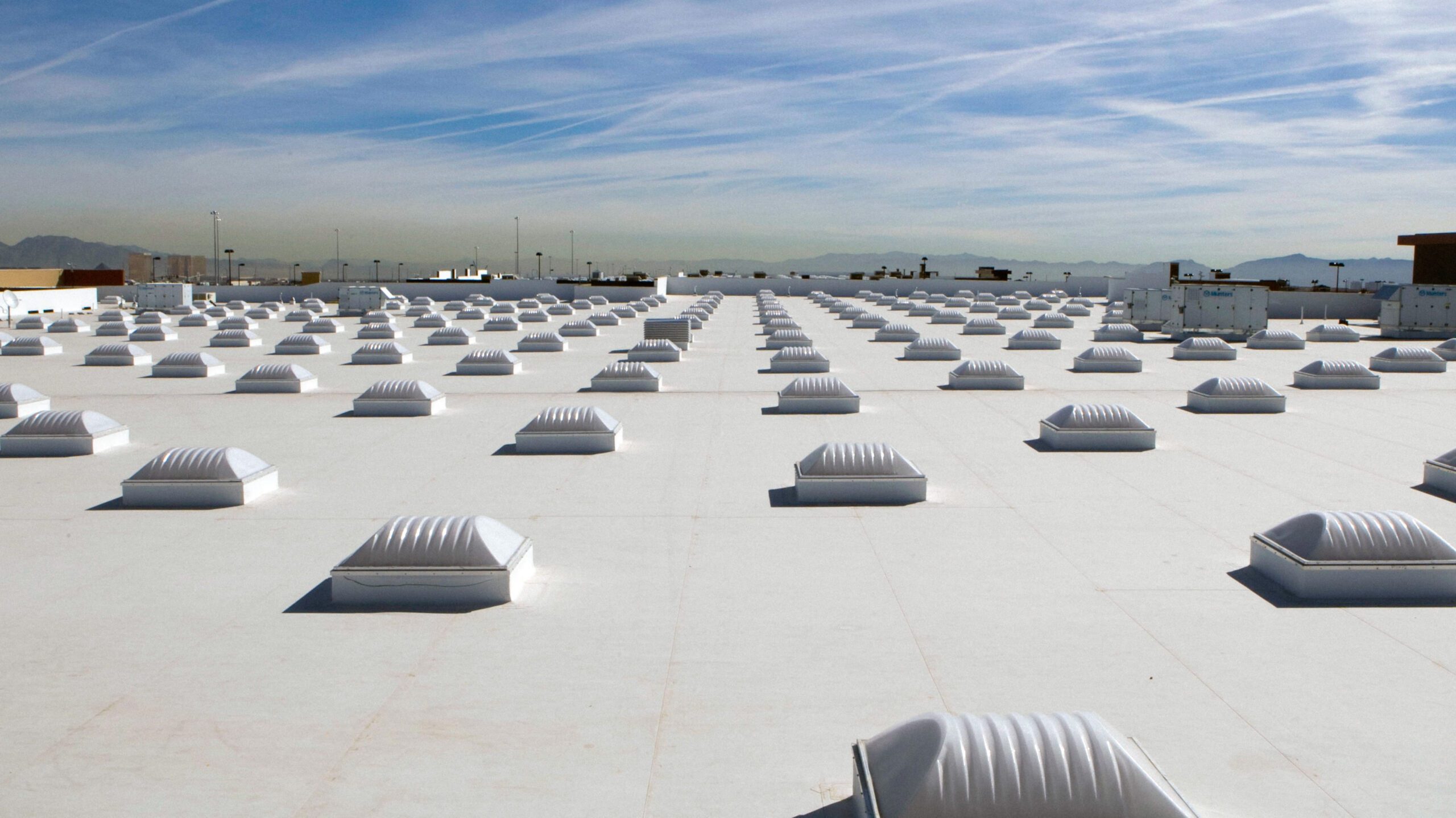
Cool Roof Systems
Cool Roof Systems is scoped around Capitol Avenue office buildings, F.E. Warren Air Force Base area contractors, and freeze-thaw cycles after spring storms. Every recommendation is tied to observed conditions, not a prewritten roof package.
View ScopeGet the roof decision into writing.
Tell us what changed on the roof, where the building sits, and who needs the report. We will turn the next step into a clear scope.