 Contact Us Now
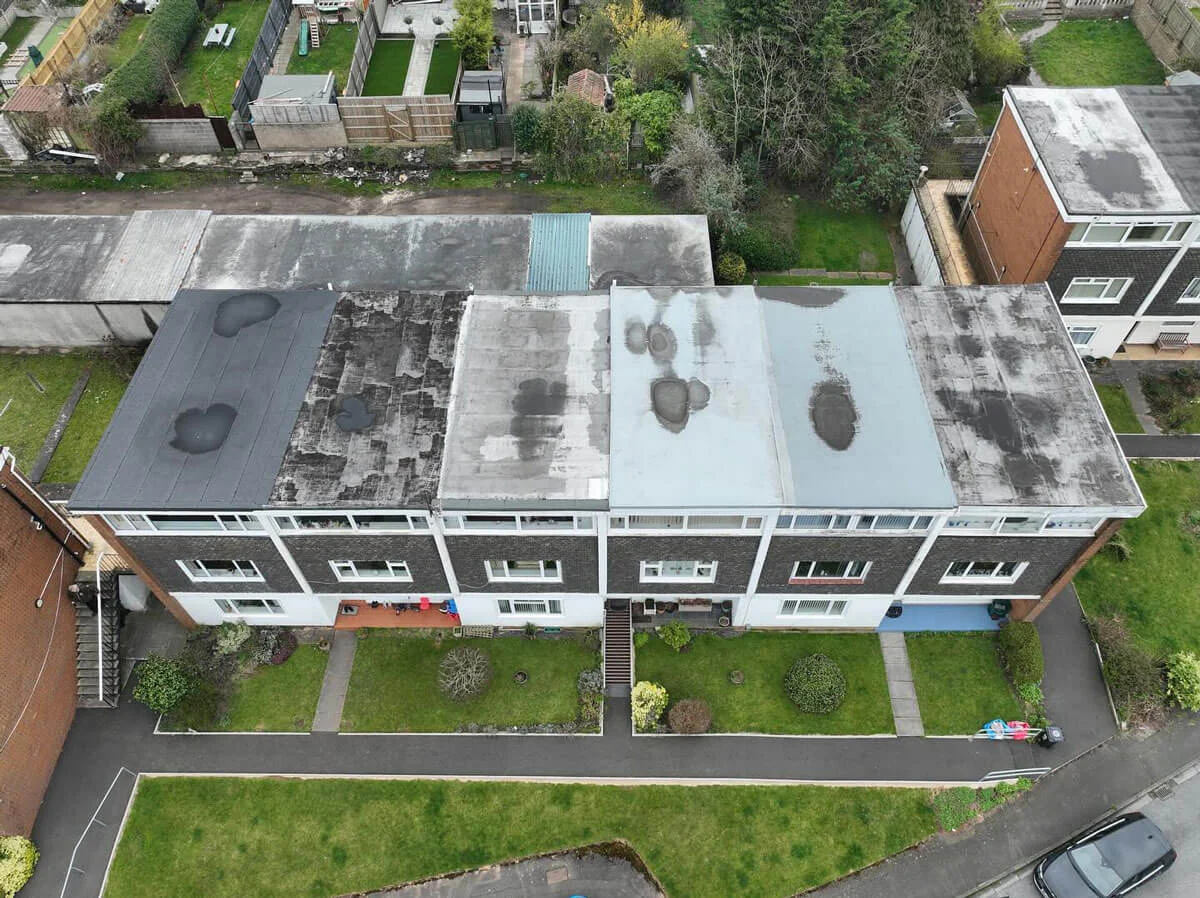
Roof Condition Reports in Cheyenne, WY
For Roof Condition Reports, we look at the roof as an operating asset, not a one-time line item. We consider Cheyenne Regional Medical Center area offices, Cheyenne Regional Airport facilities, High Plains wind and hail exposure, and Laramie County public buildings before we recommend work.
That keeps the scope tied to the roof that is actually on the building: membrane condition, seams, metal, drainage, rooftop units, access, tenant needs, and timing.
A roof condition report for a Cheyenne commercial building is a professional document that serves a specific purpose, capital planning, insurance documentation, real estate due diligence, reserve study support, or regulatory compliance, and its format and content should reflect that purpose. A condition report written to support a buyer's due diligence on a North Range warehouse acquisition looks different from one written to support a capital reserve study for a Cheyenne Business Parkway office park, even if both cover the same building. Understanding what the report will be used for is the first step in producing one that actually serves the building owner's needs.
For capital planning purposes, the roof condition report's most important outputs are remaining useful life estimates and projected replacement cost. A building owner planning a five-year capital budget for a Campstool industrial portfolio needs to know which roofs are likely to require replacement within the planning window, what those replacements will cost at current pricing, and whether any roofs can be extended through restoration rather than full replacement. These estimates require a trained inspector who understands membrane degradation rates in Cheyenne's specific climate, a rule of thumb estimate based on membrane age alone will be wrong as often as it is right, because installation quality, maintenance history, and drainage performance affect actual service life as much as calendar age does.
Insurance documentation reports are needed when a building has sustained storm damage and a claim is being processed, or when an insurer is requiring documentation of roof condition as a condition of policy renewal. Cheyenne commercial buildings are increasingly subject to insurer requests for condition documentation as carriers have become more attentive to roof age and condition in the mountain west region where hail and wind losses are high. A condition report for insurance purposes must be factual, comprehensive, and prepared by a qualified inspector, it is not the place for optimistic framing or deferred-problem minimization. Insurers will conduct their own assessments, and a condition report that understates known problems creates credibility problems when the insurer's findings differ.
Due diligence condition reports for real estate transactions involving Cheyenne commercial buildings need to be completed within the transaction's inspection contingency window, typically 15 to 30 days. We prioritize scheduling for transactional inspections and can typically complete the inspection and deliver a written report within five to seven business days of engagement. Due diligence reports cover current membrane condition, drainage performance, flashing and edge metal condition, visible structural concerns, estimated remaining useful life, and a capital needs estimate for repairs and eventual replacement. This information is material to transaction pricing and deal structure, and buyers who skip or compress the roof inspection on a Cheyenne commercial property regularly regret it when the first winter reveals conditions that a proper inspection would have found.
Reserve study support reports for commercial associations, HOAs, and institutional facilities provide the roofing component data that reserve study preparers need to model replacement reserves. These reports must include current condition ratings, estimated remaining useful life, current replacement cost estimates, and recommended annual reserve contribution to ensure adequate funding when replacement is needed. For multi-building associations, we provide building-by-building assessments in a format that reserve study preparers can directly incorporate. Cheyenne's climate accelerates membrane degradation relative to national averages, and reserve studies using national average replacement cycles will systematically underfund roof reserves for Laramie County properties.
Photo documentation is a non-negotiable component of any professional roof condition report. Written condition descriptions without supporting photographs are difficult to interpret, easy to dispute, and nearly useless for insurance or legal purposes. Our condition reports include a complete photo library organized by roof section and inspection category, with date stamps, location notation, and written captions explaining what each photograph shows and why it is significant. Aerial drone photography is used on large industrial roofs where the full roof plane cannot be adequately documented from ground-level or roof-level photography alone. The photo package is delivered with the written report and formatted for easy sharing with insurance adjusters, engineers, or transaction counterparties.
Priority ratings in condition reports help building owners make repair sequencing decisions when the report identifies multiple conditions requiring attention. We use a three-tier priority system: Priority 1 (address within 30 days) covers active leaks, perforations, and conditions that will cause immediate damage if not repaired; Priority 2 (address within 6 months) covers developing conditions that will worsen through a winter cycle but are not causing immediate damage; Priority 3 (monitor and address within 2 years) covers deteriorating conditions that are manageable with scheduled maintenance. This tiered system allows building owners to budget and schedule repairs rationally rather than treating every finding as equally urgent.
The qualified inspector requirement for condition reports matters more than it might seem for buildings in Cheyenne. Inspectors who are trained in roofing systems but unfamiliar with Wyoming climate conditions will miss or mischaracterize conditions that are normal wear in a mild climate but significant risk factors in a freeze-thaw environment. A flashing that looks marginally acceptable in July may be actively failing in April after a winter of freeze-thaw cycling, and an inspector who does not account for winter stress patterns will not assign appropriate urgency to it. Our inspectors combine general roofing knowledge with specific experience in Cheyenne's commercial building stock and climate conditions.
Condition reports for older downtown Cheyenne buildings and campus facilities at Laramie County Community College or Cheyenne Regional Medical Center require attention to building-specific characteristics that affect how standard conditions present and what they mean. Older masonry buildings in downtown Cheyenne have flashing conditions at parapet and wall connections that are different from those on steel-frame industrial buildings. Campus facilities may have roofs that have been modified multiple times over decades, with layered assemblies and non-standard details that require more careful interpretation than a straightforward single-ply system. We tailor condition report methodology to the building type and construction era, not just the current membrane material.
Questions Owners Ask
How is a roof condition report different from a standard inspection report?
A roof condition report is a formal written document produced for a specific purpose, capital planning, insurance, due diligence, or reserve study, with a defined format, professional certifications, and deliverables calibrated to the report's intended use. A standard inspection report is an operational document generated from a scheduled maintenance visit, covering what was found and what was done. Condition reports are more comprehensive, more formally structured, and produced to a standard that supports third-party use, by insurers, lenders, investors, or reserve study preparers. Inspection reports are operational records for the building owner's own use.
How long does it take to receive a written condition report after the inspection?
We deliver written condition reports within five to seven business days of the inspection for standard commercial buildings. Large industrial buildings or complex multi-building portfolio reports may take seven to ten business days. For transaction-driven reports with hard deadline requirements, we can expedite delivery to three to four business days with advance notice. Rush delivery requires that the inspection itself is scheduled with adequate lead time, we cannot produce a useful report faster than the inspection and analysis actually take.
Can a roof condition report be used to support an insurance claim?
Yes, and it is often an important supporting document for commercial property claims involving storm damage, water intrusion, or deferred maintenance disputes. A condition report that documents pre-loss conditions, establishes the age and maintenance history of the roof, and clearly identifies storm-caused damage separate from pre-existing conditions gives your insurance adjuster the context needed to process the claim accurately. Reports produced immediately after a storm event, before repair work begins, are the most useful for claims purposes. Retroactive reports prepared after repairs are completed have limited value for claim support.
What should a condition report for a Cheyenne commercial building purchase include?
A transactional condition report should cover: current membrane condition including age, material, estimated remaining useful life, and visible damage; drainage system adequacy and any identified deficiencies; flashing and edge metal condition; penetration condition; identified repair needs with cost estimates; replacement cost estimate for end of life; and any conditions that may affect insurability or financing. The report should clearly distinguish between conditions that require immediate attention and those that are normal wear for the roof's age. Red flags specific to Cheyenne, inadequate drainage slope, undersized edge metal, freeze-thaw flashing damage, should be explicitly evaluated.
Is a condition report required for commercial property refinancing in Cheyenne?
It depends on the lender and the building's age and condition. Many commercial lenders require a property condition assessment (PCA) that includes a roof evaluation as a condition of loan approval or refinancing. Older buildings and those with known maintenance issues are more likely to trigger a lender requirement. Some lenders accept a standalone roof condition report; others require a full PCA conducted by a licensed engineer. If your lender has a specific format requirement, share it with us before the inspection so that the report format meets their requirements without requiring a second visit.
Related Roof Work
Useful next pages for this roof decision.
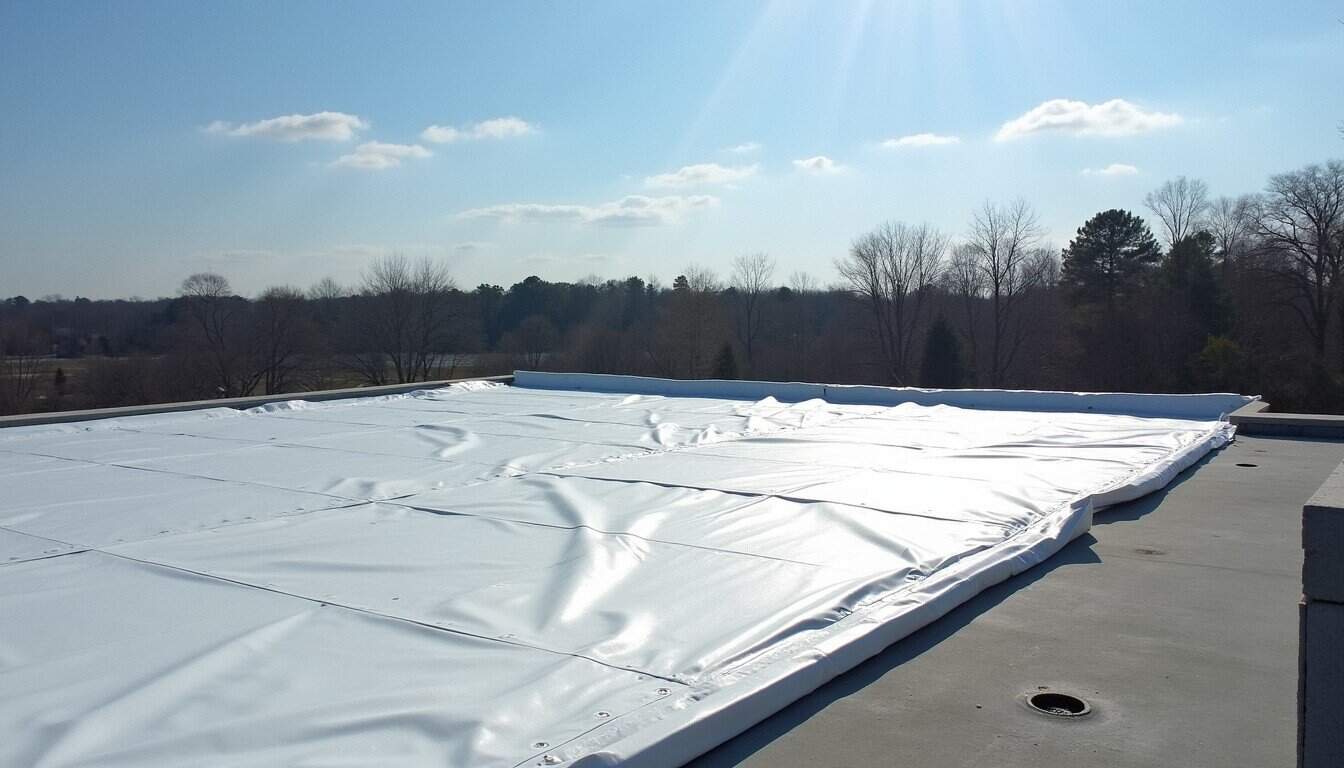
Storm Damage Roof Repair
Storm Damage Roof Repair is scoped around Laramie County business parks, Cheyenne Logistics Hub properties, and North Range Business Park warehouses. The scope stays practical: stop water first, document the roof, then choose the repair or replacement path that fits the building.
View Scope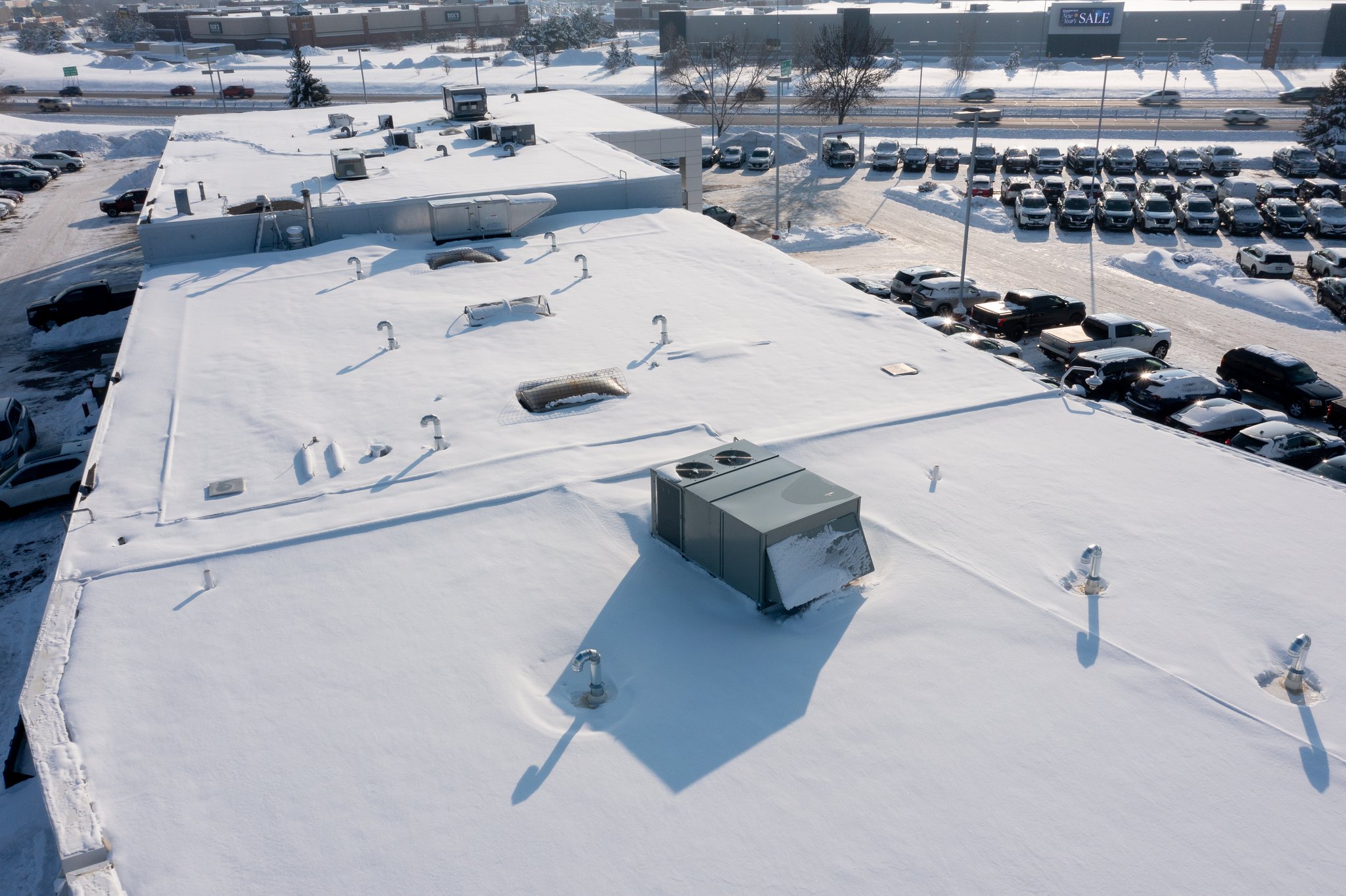
Commercial Roof Repair
Commercial Roof Repair is scoped around Frontier Mall and nearby service buildings, snow drift at parapets and rooftop units, and Capitol Avenue office buildings. We keep access, weather windows, and tenant disruption in the plan before crews step onto the roof.
View Scope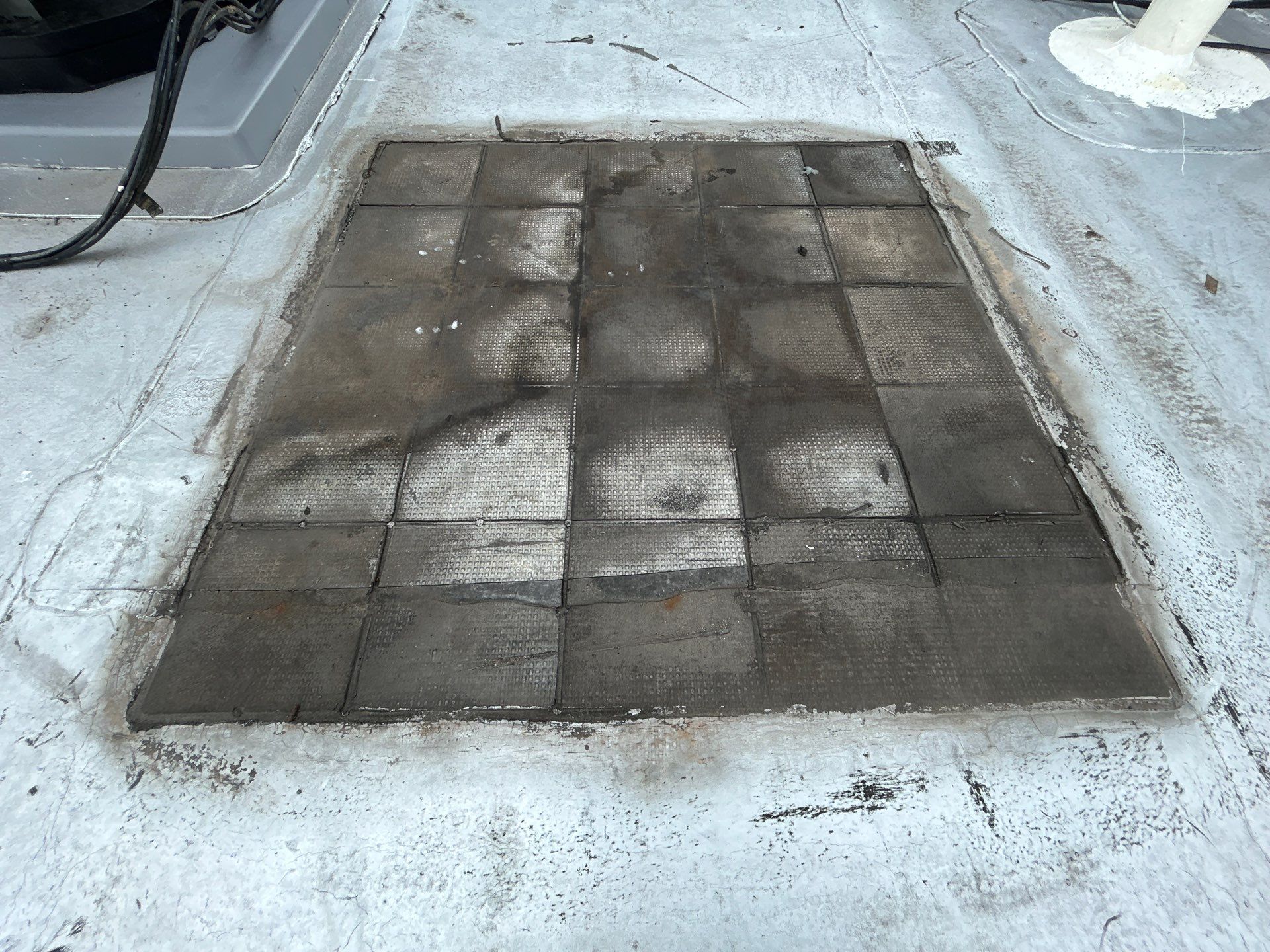
Roof Membrane Repair
Roof Membrane Repair is scoped around Lincolnway corridor storefronts, South Cheyenne industrial sites, and Laramie County business parks. Every recommendation is tied to observed conditions, not a prewritten roof package.
View ScopeGet the roof decision into writing.
Tell us what changed on the roof, where the building sits, and who needs the report. We will turn the next step into a clear scope.