 Contact Us Now
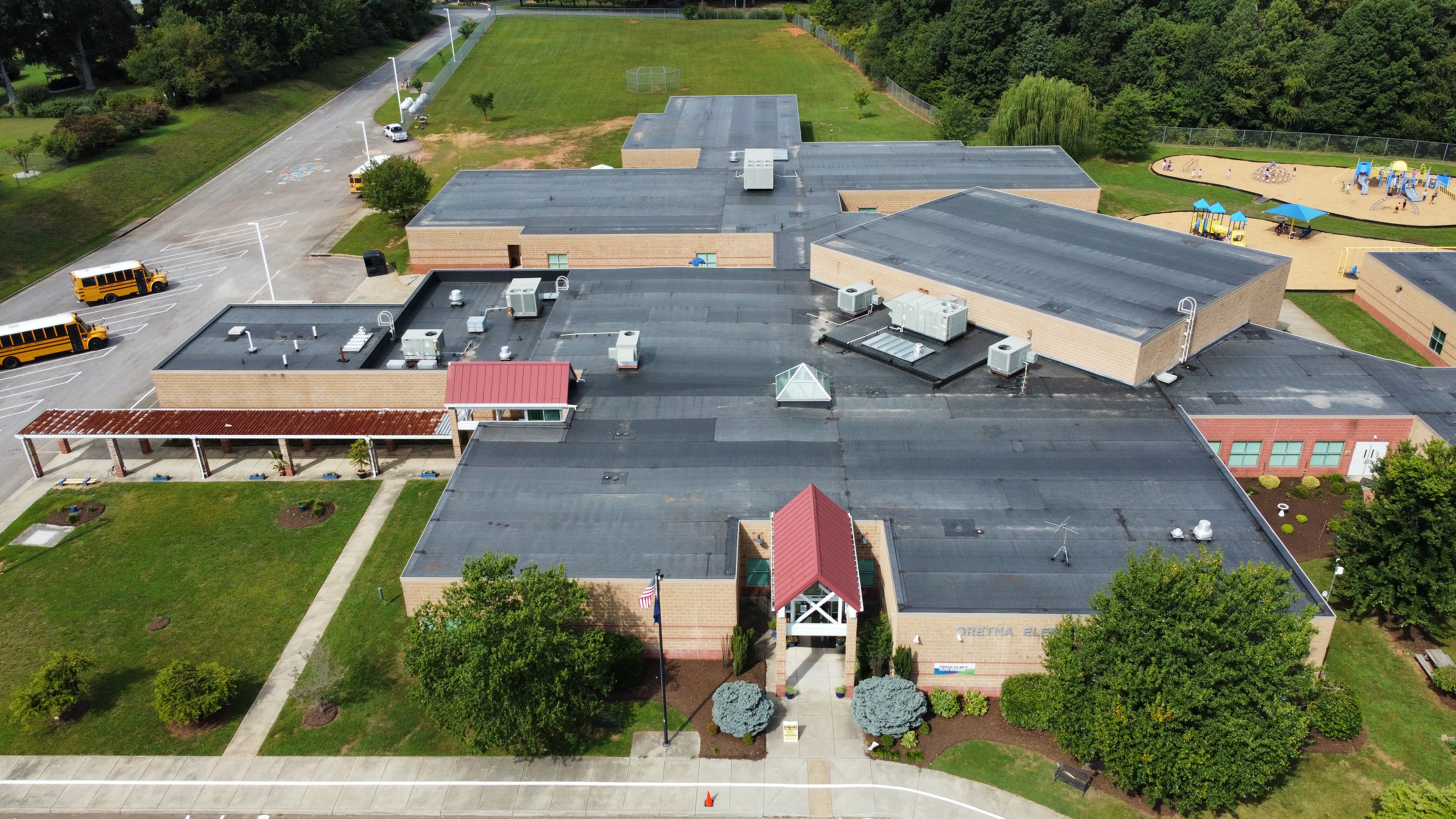
School and K-12 Educational Building Roofing in Cheyenne, WY
For School and K-12 Educational Building Roofing, we look at the roof as an operating asset, not a one-time line item. We consider Cheyenne Regional Medical Center area offices, Cheyenne Regional Airport facilities, High Plains wind and hail exposure, and Laramie County public buildings before we recommend work.
That keeps the scope tied to the roof that is actually on the building: membrane condition, seams, metal, drainage, rooftop units, access, tenant needs, and timing.
Laramie County School District 1, the primary school district serving Cheyenne and the surrounding Laramie County area with approximately 14,000 students across over 30 campuses, operates school buildings that must endure some of the most extreme and varied weather conditions in public education, a distinction that Cheyenne's reputation as one of America's windiest cities makes undeniable. From century-old brick elementary schools in Cheyenne's historic neighborhoods to modern facilities built during recent bond programs, LCSD1's roofing portfolio reflects every era of Wyoming school construction and demands a contractor with genuine high-plains cold-climate expertise.
Wind is the defining structural challenge for LCSD1 school roofing, and designing for it correctly requires understanding Wyoming wind behavior that goes beyond simply applying the ASCE 7 design wind speed. Cheyenne's wind is persistent, frequently exceeds 50 miles per hour for sustained periods during autumn and early spring, and creates complex drift patterns around school buildings with multiple height transitions and rooftop equipment arrangements. The perimeter zones of LCSD1 school roofs, at parapets, roof edges, and equipment curbs, experience uplift forces substantially greater than field areas, and these are the locations where under-specified attachment causes failures in high-wind events. Every system we install for LCSD1 uses enhanced perimeter fastening patterns specifically engineered for Wyoming's wind exposure rather than interior-region default attachment standards.
Snow management is a second critical dimension of LCSD1 school roof performance. Cheyenne's ground snow load combined with wind-driven drift conditions can accumulate structural loads at parapets and in lower-level roof areas that exceed original design capacity on older buildings. We assess drift accumulation patterns at every LCSD1 campus we evaluate, identify areas where drifting against parapets or in roof valleys creates higher-than-design loading, and recommend parapet geometry modifications or drift guard installations that reduce structural risk. Snow removal protocols are developed for each campus where drift accumulation presents a risk that exceeds practical structural management.
Wyoming school construction funding flows through the Wyoming School Facilities Department, a state agency that administers a constitutional mandate to ensure adequate school facilities statewide. The SFD conducts its own condition assessments of Wyoming school buildings, ranks facility needs by condition severity, and allocates state construction funding accordingly. LCSD1 reroofing projects funded through SFD appropriations must comply with SFD design and construction standards, and contractors must be familiar with SFD submittal and documentation requirements. We have worked on SFD-funded projects for Laramie County School District 1 and adjacent districts and understand the SFD review and approval process that governs project design, bidding, and construction documentation.
The summer construction window for LCSD1 school projects is among the most compressed in the country because Wyoming school buildings are empty for only approximately 10 weeks between the last day of school in late May and the first day of the new year in mid-August, and those 10 weeks encompass Wyoming's most productive and unpredictable summer thunderstorm period. Late June and July bring afternoon convective storms that can dump rain rapidly and occasionally produce damaging hail on the eastern plains. We begin mobilizing for LCSD1 projects within days of school dismissal and work six-day weeks with accelerated crew levels to complete projects well before the August deadline.
Freeze-thaw cycling causes particularly aggressive damage to LCSD1's older school buildings because Cheyenne's frequent temperature oscillations across the freezing point, sometimes multiple times within a 24-hour period during winter, create a high-frequency damage cycle that accumulates faster than in markets where the freezing point is crossed less often. Brick masonry mortar joints, parapet cap bedding mortar, and expansion joint sealants are all susceptible to progressive freeze-thaw deterioration that can advance significantly in a single winter. We address these conditions comprehensively rather than applying cosmetic sealant over deteriorated surfaces that will not hold the repair through another Wyoming winter.
Prevailing wage requirements for LCSD1 projects funded through the Wyoming School Facilities Department are governed by Wyoming prevailing wage statutes. Wyoming publishes prevailing wage rates by county and trade classification, and SFD-funded contracts include applicable wage requirements in bid documents. We maintain Wyoming prevailing wage compliance documentation and certified payroll reporting systems and submit complete payroll documentation on the schedule required by SFD grant agreement compliance provisions. District business office staff can reference our payroll submissions at any point during project execution without waiting for end-of-project compilation.
High-altitude UV radiation at Cheyenne's 6,062-foot elevation affects roofing membrane performance in ways that require material specifications appropriate for mountain-west conditions rather than sea-level market standards. Manufacturer service life estimates for TPO and modified bitumen membranes are calibrated for representative national-average UV conditions; actual service life at high altitude is shorter if the membrane does not include UV stabilizer packages rated for elevated solar intensity. We specify high-altitude-appropriate membrane systems for all LCSD1 projects and include this specification in our warranty and materials documentation so that the district's facilities records accurately reflect the product specifications installed.
Long-term maintenance planning for LCSD1's diverse building portfolio benefits from annual condition inspections that track roof system aging systematically across the entire campus inventory. We conduct annual fall inspections, after summer construction season and before winter, that update condition ratings for every LCSD1 campus roof section, identify emerging deficiencies that warrant near-term repair, and provide the district's facilities department with updated capital planning data for the SFD five-year facilities plan submission. This ongoing relationship means that LCSD1 facilities staff always have current, accurate information about their roofing assets rather than relying on condition data that may be two to five years old.
- How does Wyoming School Facilities Department funding work for reroofing projects?
- The SFD conducts statewide condition assessments, ranks facilities by need severity, and allocates state constitutional funding to the highest-need projects annually. Districts apply for SFD funding by demonstrating documented condition deficiencies through the SFD's assessment process. We conduct condition assessments formatted for SFD submission and support LCSD1 through the SFD application and approval process, including the design review and construction documentation phases that SFD staff oversee.
- What wind uplift specification is appropriate for Cheyenne school buildings?
- We specify FM 1-90 minimum field attachment for LCSD1 school buildings, with enhanced perimeter attachment meeting FM 2-90 or greater at parapets, roof edges, and the elevated pressure zones around rooftop equipment. Actual attachment density is calculated using the specific building height, roof geometry, and exposure category for each LCSD1 campus location, not applied as a uniform assumption across all buildings.
- How do you manage construction quality at temperatures below 40°F during Wyoming fall projects?
- We use cold-weather adhesive formulations rated for application temperatures at or below the ambient conditions, heat temporary enclosures when required for adhesive cure, and use self-adhered membrane systems for flashing applications where adhesive reliability at low temperatures is uncertain. We do not apply adhesive membranes in conditions below manufacturer-specified temperature minimums regardless of schedule pressure.
- What documentation is required for SFD-funded LCSD1 reroofing project closeout?
- SFD-funded project closeout requires as-built drawings, manufacturer warranties, certified payroll final summary, lien releases, and a project completion certification submitted to SFD in the formats specified in the grant agreement. We prepare and submit all SFD closeout documentation as a standard part of project delivery, coordinating with district business office staff to ensure that grant agreement compliance conditions are satisfied before the final payment request is submitted.
- Can you extend the life of an existing LCSD1 school roof without full replacement?
- Yes, for roofs with remaining structural integrity and no active water infiltration. We offer condition-based maintenance programs that address flashing failures, seam separations, and drain deterioration on serviceable existing assemblies, extending useful life by three to seven years while the district builds capital for a comprehensive replacement. Maintenance repairs are documented in our project records and included in the district's condition baseline for future SFD applications.
Related Roof Work
Useful next pages for this roof decision.
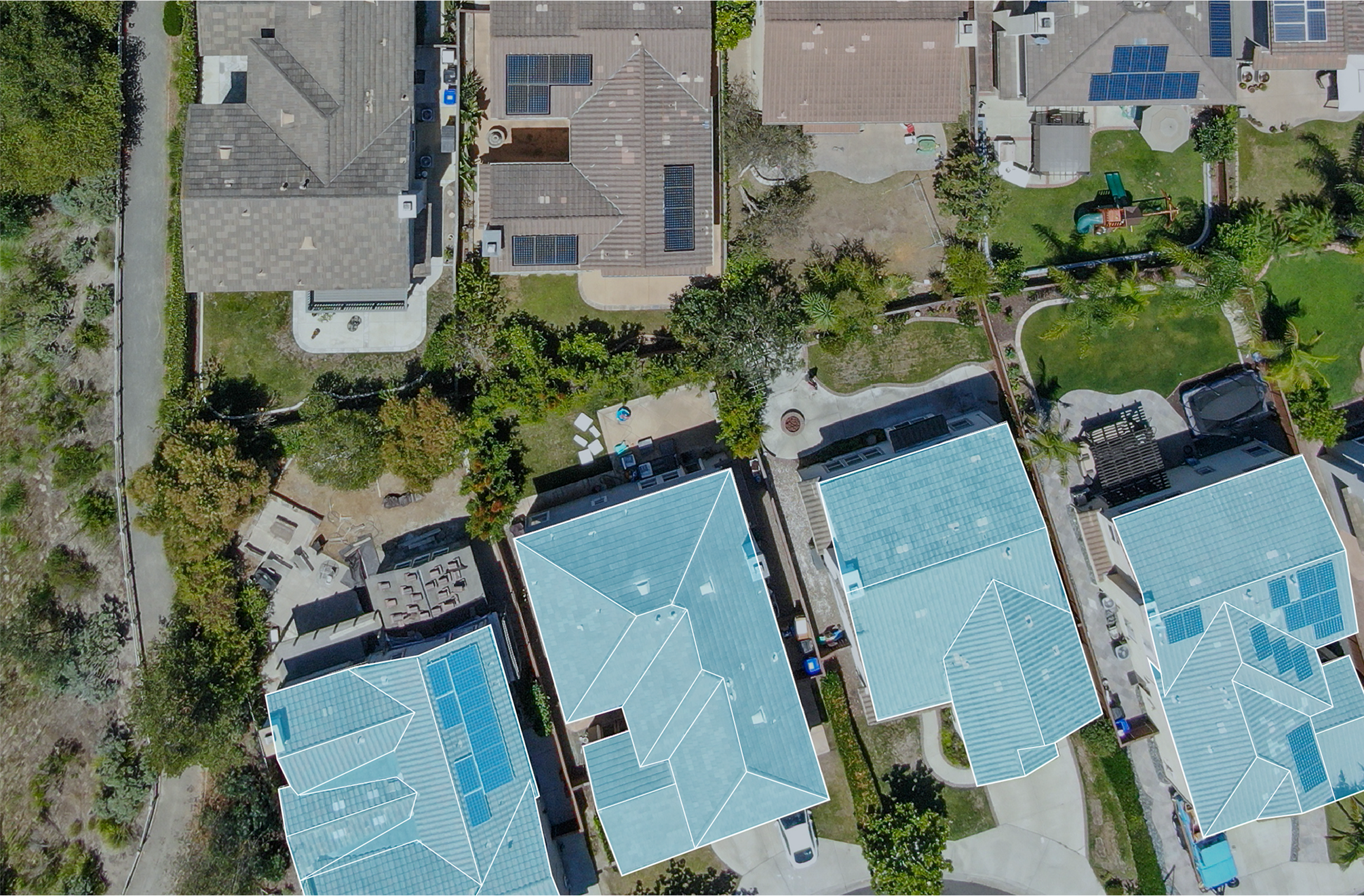
Drone Roof Inspection
Drone Roof Inspection is scoped around North Range Business Park warehouses, the I-25 and I-80 freight interchange, and Frontier Mall and nearby service buildings. The scope stays practical: stop water first, document the roof, then choose the repair or replacement path that fits the building.
View Scope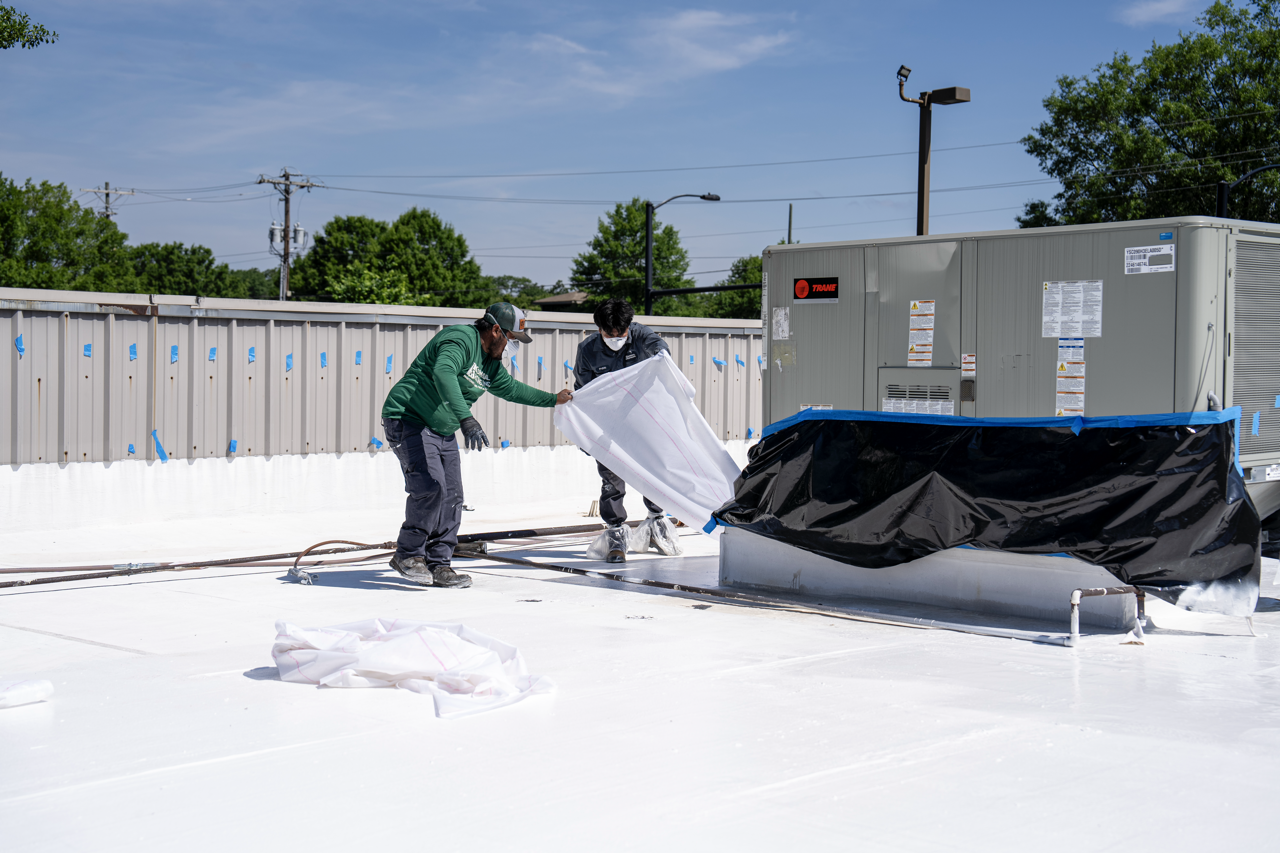
Preventive Roof Maintenance
Preventive Roof Maintenance is scoped around North Range Business Park warehouses, the I-25 and I-80 freight interchange, and Frontier Mall and nearby service buildings. We keep access, weather windows, and tenant disruption in the plan before crews step onto the roof.
View Scope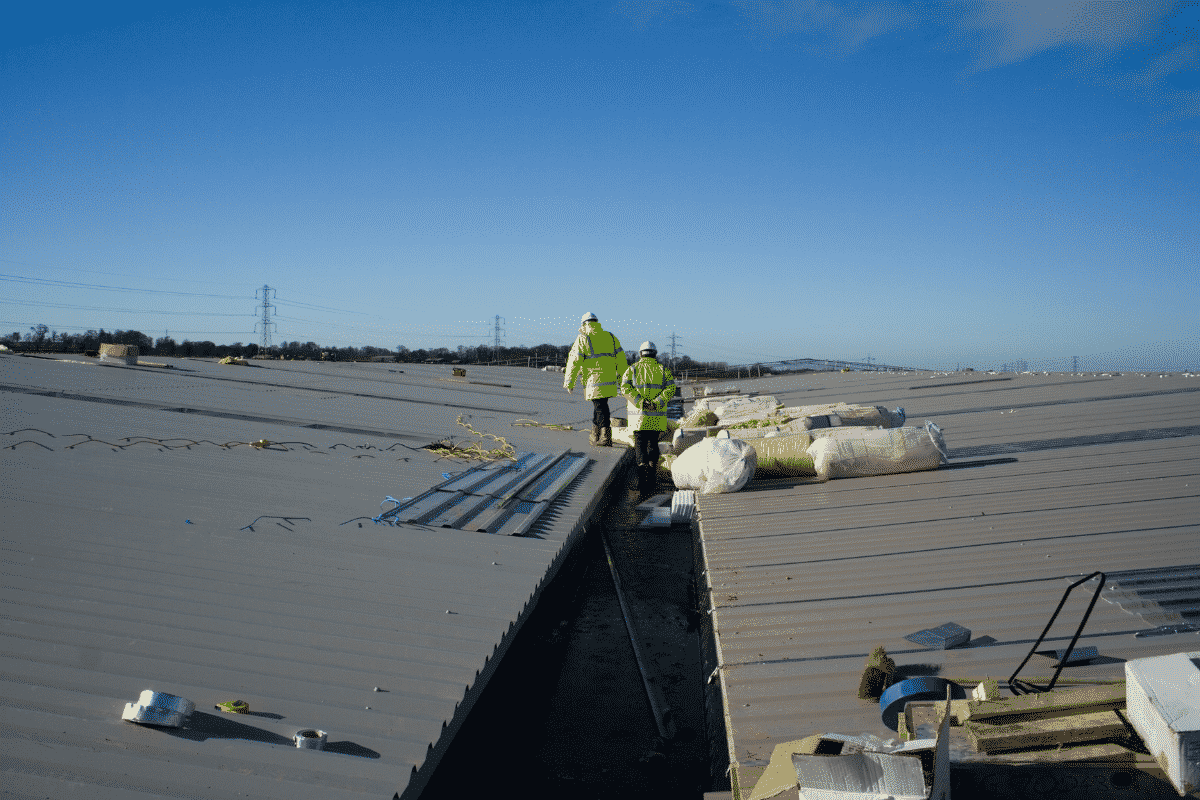
Commercial Roof Maintenance
Commercial Roof Maintenance is scoped around Laramie County business parks, Cheyenne Logistics Hub properties, and North Range Business Park warehouses. Every recommendation is tied to observed conditions, not a prewritten roof package.
View ScopeGet the roof decision into writing.
Tell us what changed on the roof, where the building sits, and who needs the report. We will turn the next step into a clear scope.