 Contact Us Now
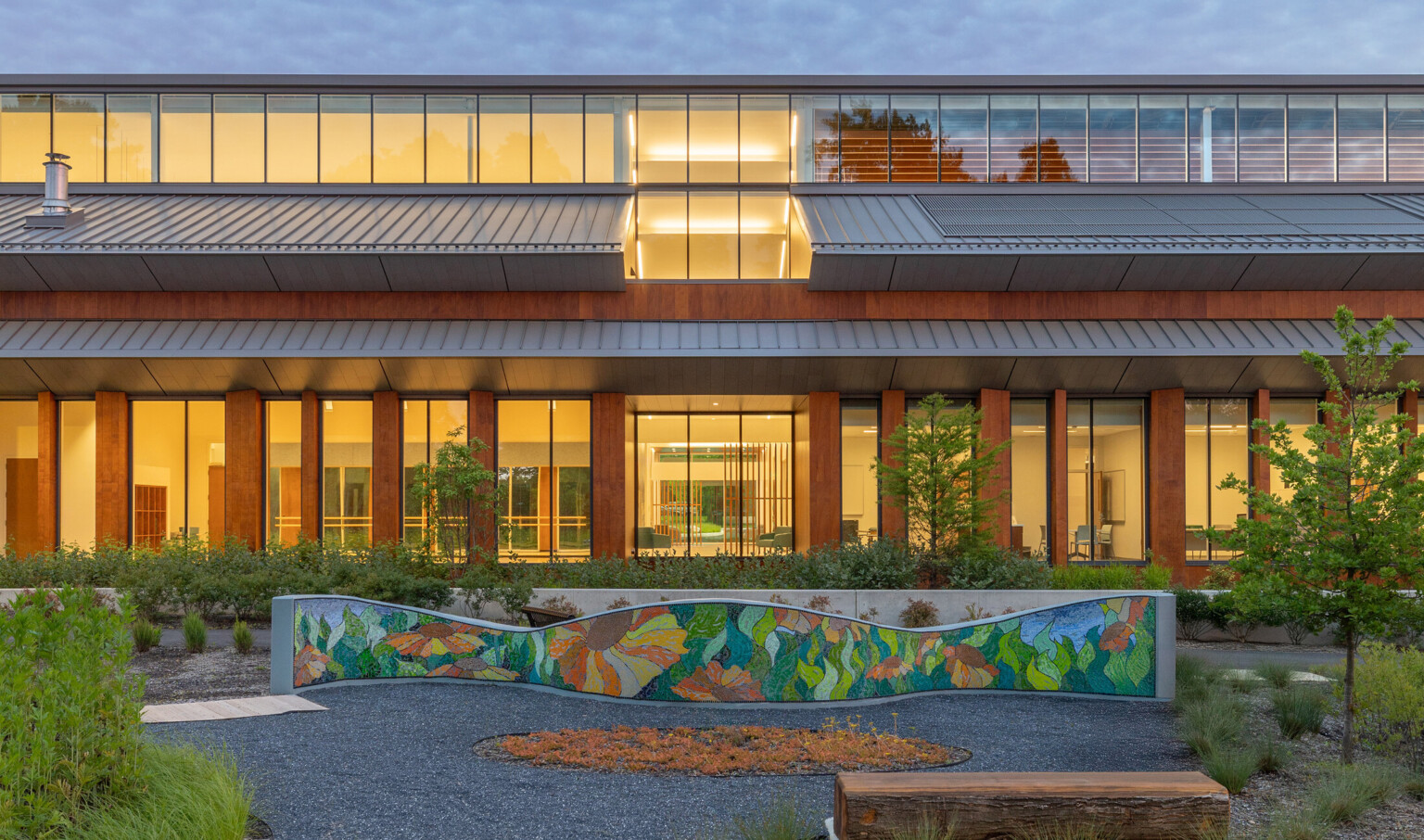
Sports & Recreation Facility Roofing in Cheyenne, WY
The first move on Sports & Recreation Facility Roofing is separating visible symptoms from the assembly condition below them. We consider Cheyenne Regional Medical Center area offices, Cheyenne Regional Airport facilities, High Plains wind and hail exposure, and Laramie County public buildings before we recommend work.
That keeps the scope tied to the roof that is actually on the building: membrane condition, seams, metal, drainage, rooftop units, access, tenant needs, and timing.
The thing that defines a recreation building is the open space under the roof. A gym floor, an ice sheet, a field house, or a lap pool needs to be free of columns, which means the roof spans a long distance on its own and flexes, breathes, and takes wind load very differently from a small commercial box. We roof these facilities across Cheyenne, from the city's recreation centers and the indoor courts and pools that run programming year-round, to the field houses and athletic buildings tied to Laramie County School District 1 and the recreation space around Lions Park and the Frontier Park grounds. Each one asks two questions of the roof: can it bridge the span, and can it deal with the moisture the activity below throws at it.
Long Clear Spans Move, and the Roof Has to Move With Them
A roof deck stretching 60, 80, or more than 100 feet between supports deflects under snow load and lifts under wind, and it does both more dramatically than a short span. On the High Plains that matters: Cheyenne sees heavy, wind-driven snow that drifts deep against parapets and high walls, and it sees the kind of sustained wind that pries at a roof edge for days. The fastening pattern that holds a membrane down over a 30-foot span is not enough over an 80-foot one. We evaluate the actual deck type and span, run the fastener pull-out math for that structure, and detail the perimeter and corners, where uplift concentrates, for the loads this climate generates rather than a generic spec.
- Fastening and attachment engineered to the real deck and span, with pull-out values run for the structure, not assumed.
- Perimeter and corner detailing built for High Plains wind uplift and deep snow drift loads.
- A vapor strategy matched to whether the building runs dry, like a gym, or wet, like a pool.
- Reflective membrane and tapered drainage suited to our intense sun and uneven snowmelt.
The Pool Hall Is a Different Animal Entirely
A natatorium is the hardest roof in this whole category. A heated indoor pool pours warm, humid air upward all day, and that air is not just wet, it carries chloramines, the corrosive compounds that form when pool chemicals react with what swimmers bring into the water. Those compounds attack ordinary metal flashing and edge metal and can degrade some adhesives. In Cheyenne's climate, that warm pool-hall air also meets a cold deck and condenses readily, so the danger is twofold: corrosion at the flashings and hidden condensation inside the assembly. We design natatorium roofs around it, using corrosion-resistant flashing metals where the chloramine exposure is worst, confirming membrane and adhesive compatibility, and positioning the vapor retarder so the wet interior air cannot reach the cold layers above and rot the deck out of sight.
Gyms and Field Houses: Dry Inside, Brutal Above
A basketball gym or a field house is mostly a dry-occupancy building, but it is still a huge clear-span roof carrying heavy mechanical loads. Big rooftop units handle the air for a full crowd, and they sit on curbs that each break the membrane. Over a dry, high-occupancy space we typically specify a reinforced reflective membrane mechanically attached over rigid insulation, with every curb and penetration flashed as its own welded detail. The reflective surface earns its keep at our altitude, where summer sun is intense and a dark roof would drive up the cooling load for a building already working hard to condition a large volume of air.
Drainage and Snow on a Big, Flat Roof
The bigger and flatter the roof, the more a small slope error turns into a large pond. Recreation roofs collect water in the low spots, and in Cheyenne they collect drifting snow that melts unevenly through sunny winter afternoons and refreezes overnight. Ponding adds dead load to a span that is already carrying a lot, and freeze-thaw works at every seam it touches. We laser-check the slope, add tapered insulation to move water decisively to drains and scuppers, and make sure the drainage can keep up with both a hard rain and a fast melt.
Working Around Programming, Not Against It
Recreation facilities are busiest exactly when most trades want to go home: evenings, weekends, holidays, and the entire summer in the case of a pool. We plan the work around the programming calendar your staff gives us. Court and gym roof work runs during weekday daytime hours with daily dry-in confirmed before evening leagues arrive, and pool-hall work that affects ventilation or opens the deck is coordinated with your aquatics team so the air handling and the swimmers are never compromised. An open deck is always sealed watertight before we leave, because the building is full of people and equipment the next morning.
Public Bids and How That Shapes the Job
Many recreation buildings in Cheyenne are public: city facilities, school district gyms and field houses, and similar publicly funded spaces. That brings bid advertising, bond requirements, and prevailing-wage rules into the project, and it lengthens the front end of the schedule. We carry the bonding and insurance public work requires in Wyoming and we are used to the documentation a municipal or district contract expects, so a public recreation project moves through procurement cleanly rather than stalling on paperwork.
Let Us Look at Your Span Before You Plan a Reroof
If you manage a recreation center, gym, field house, or pool in the Cheyenne area, the right roof depends on your span, your moisture load, and your calendar, and those are things we want to see before quoting. Let us survey the deck, check for hidden moisture over a pool or under an old assembly, and lay out a system built for the building. Call 307-298-5073 or reserve a consultation to get started.
Sports & Recreation Facility Roofing Questions
How do you handle a roof that spans a whole gym?
We evaluate the actual deck type and span and run fastener pull-out calculations for that structure rather than assuming a standard pattern. The perimeter and corners, where wind uplift concentrates, get detailing built for High Plains wind and deep snow drift, because a long span lifts and deflects far more than a short one.
What makes a pool roof so much harder?
Warm, humid pool-hall air carries chloramines that corrode ordinary flashing metal and can degrade some adhesives, and in our climate that air also condenses readily on the cold deck. We use corrosion-resistant flashing where exposure is worst, confirm material compatibility, and position the vapor retarder so the wet air cannot reach and rot the layers above.
Can you work around our evening and weekend schedule?
Yes. We run gym and court roof work during weekday daytime hours with daily dry-in before evening leagues, and we coordinate pool-hall work with your aquatics team so ventilation and swimmers are never compromised. The deck is always sealed watertight before we leave.
Do you handle public bid and bonding requirements?
We do. For city and school district recreation facilities we carry the bonding and insurance Wyoming public work requires and handle the bid advertising and documentation a municipal or district contract expects, so the job clears procurement without stalling.
Why specify a reflective membrane?
At Cheyenne's altitude the summer sun is intense, and a recreation building already works hard to condition a large interior volume. A reflective membrane cuts the cooling load and keeps the roof surface easy to inspect, which is why we typically specify one over gyms and field houses.
Related Roof Work
Useful next pages for this roof decision.
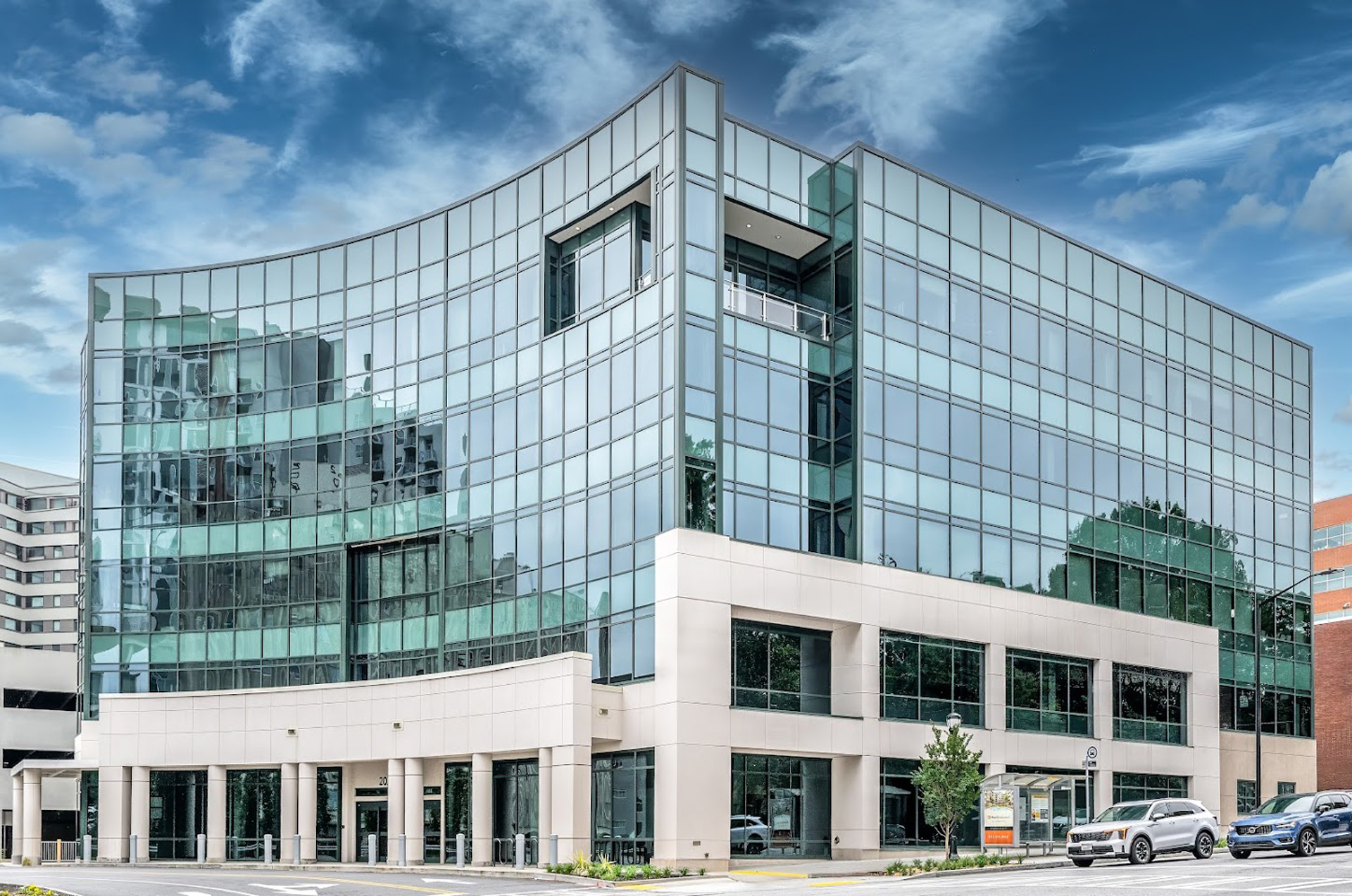
Medical Building Roofing
Medical Building Roofing is scoped around freeze-thaw cycles after spring storms, Cheyenne Regional Medical Center area offices, and Cheyenne Regional Airport facilities. The scope stays practical: stop water first, document the roof, then choose the repair or replacement path that fits the building.
View Scope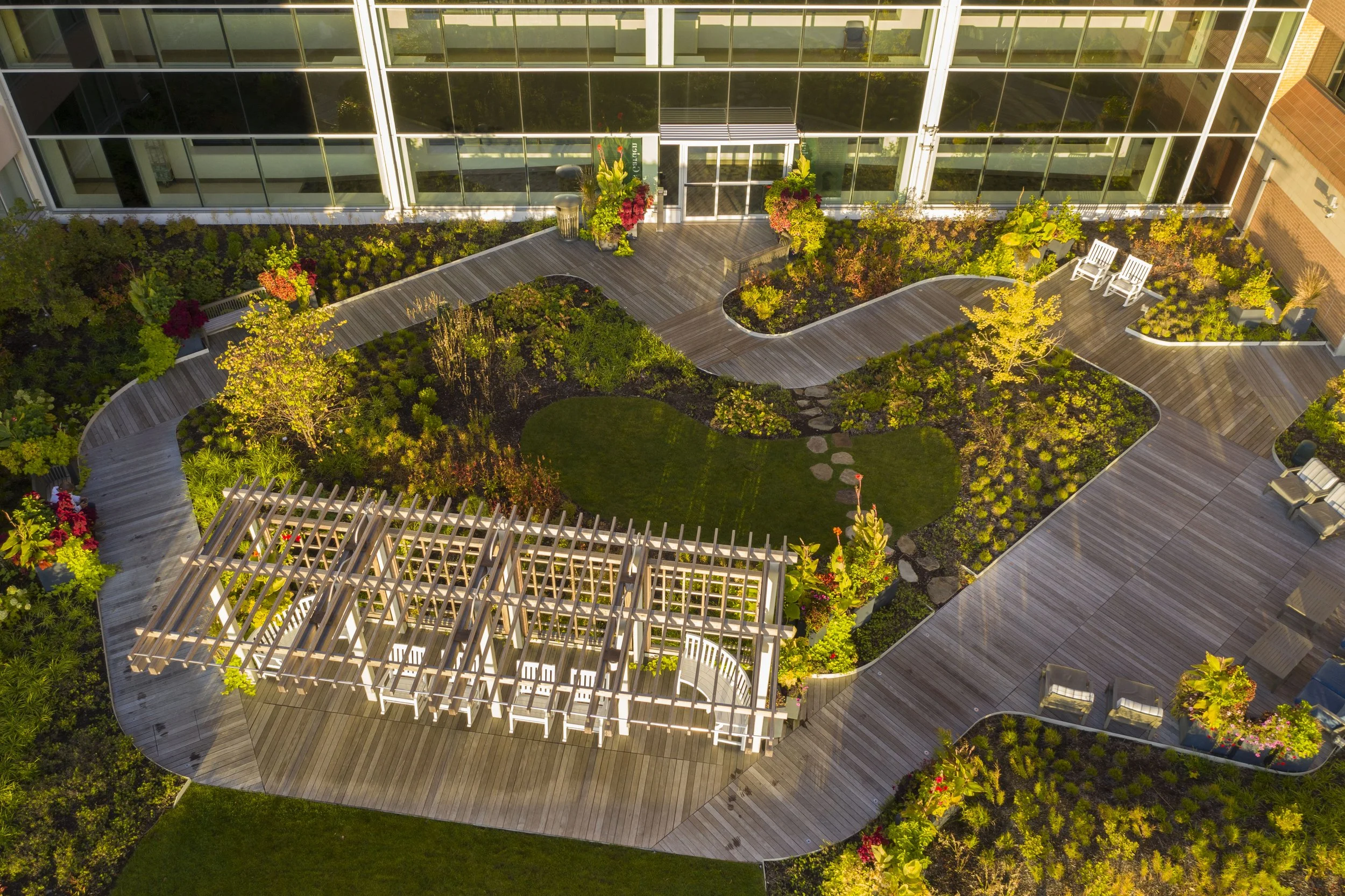
Mixed-Use Development Roofing
Mixed-Use Development Roofing is scoped around South Cheyenne industrial sites, Laramie County business parks, and Cheyenne Logistics Hub properties. We keep access, weather windows, and tenant disruption in the plan before crews step onto the roof.
View Scope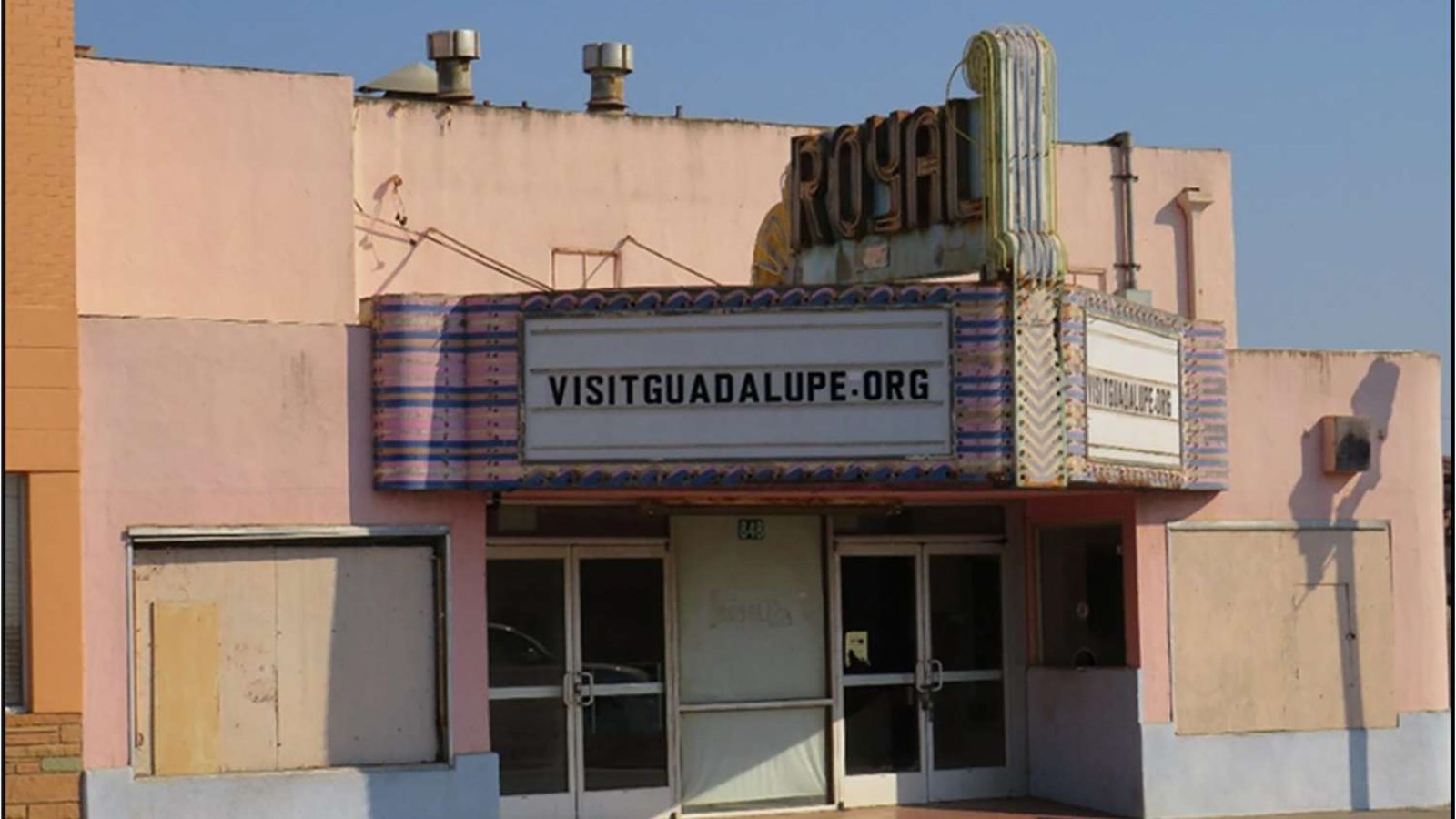
Movie Theater & Cinema Roofing
Movie Theater & Cinema Roofing is scoped around Capitol Avenue office buildings, F.E. Warren Air Force Base area contractors, and freeze-thaw cycles after spring storms. Every recommendation is tied to observed conditions, not a prewritten roof package.
View ScopeGet the roof decision into writing.
Tell us what changed on the roof, where the building sits, and who needs the report. We will turn the next step into a clear scope.