 Contact Us Now
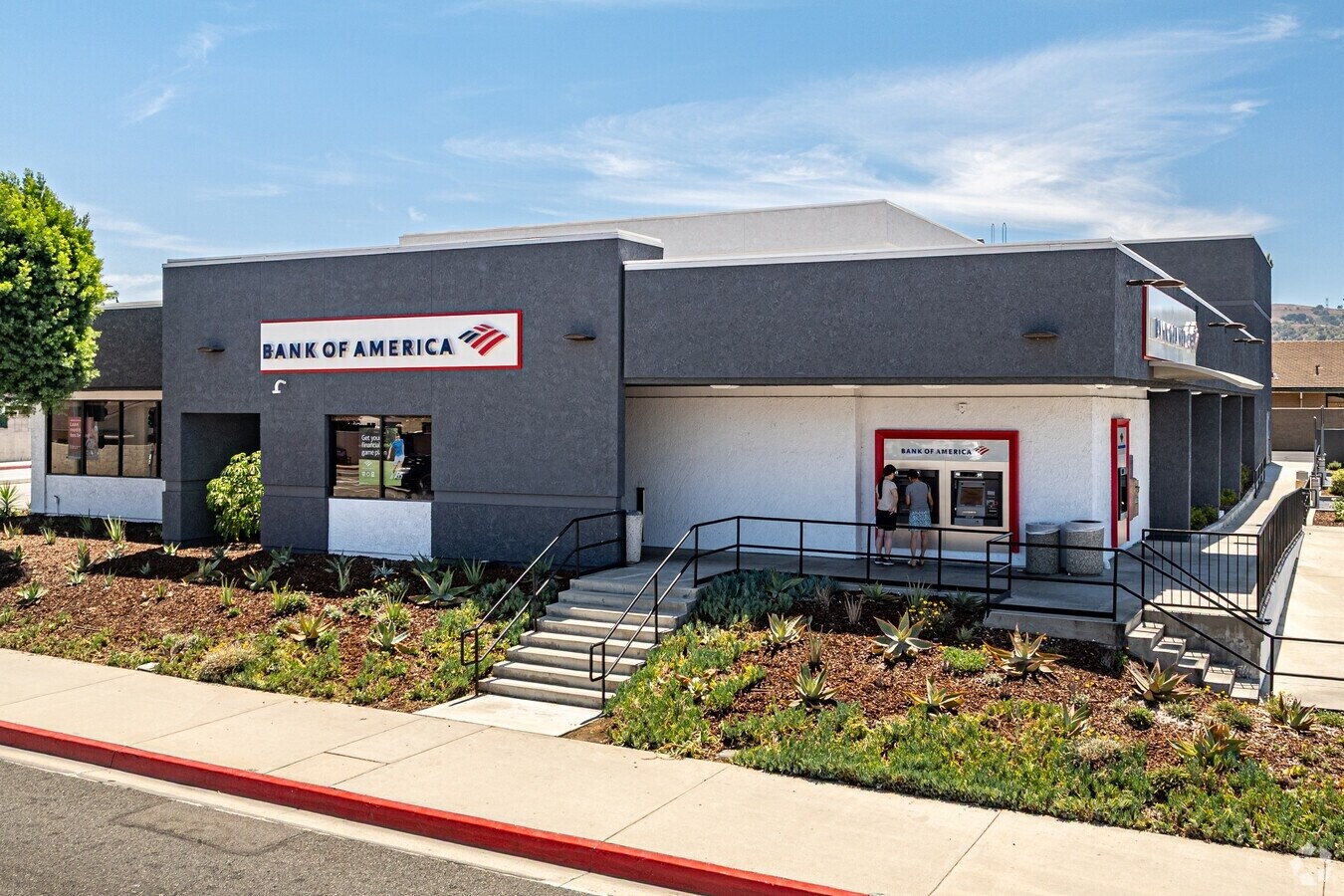
Bank & Financial Building Roofing in Cheyenne, WY
For Bank & Financial Building Roofing, we look at the roof as an operating asset, not a one-time line item. We consider Cheyenne Logistics Hub properties, North Range Business Park warehouses, the I-25 and I-80 freight interchange, and Frontier Mall and nearby service buildings before we recommend work.
That keeps the scope tied to the roof that is actually on the building: membrane condition, seams, metal, drainage, rooftop units, access, tenant needs, and timing.
Small Roofs, Outsized Consequences
A bank branch is a small building with a roof that punches above its size. The footprint is modest, a few thousand square feet of low-slope membrane over a lobby, teller line, and offices, but what sits underneath raises the stakes. A vault, a server or network room, customer-facing floors, and the institution's records all live below that roof, and a stain on the ceiling is not a cosmetic problem here; it is a closed branch and an interrupted business day. We approach financial buildings with that asymmetry in mind: the membrane is not large, but the tolerance for getting it wrong is close to zero.
Cheyenne carries a dense branch network for its size, and it concentrates in a few places. The Dell Range Boulevard and Frontier Mall retail corridor on the east side holds a cluster of freestanding branches and drive-throughs serving the city's main commercial belt. Downtown along Capitol Avenue and Lincolnway sits the older institutional core, the buildings tied to Cheyenne's role as the state capital and county seat, where regional banks and the headquarters offices keep a presence. Credit unions serving F.E. Warren Air Force Base and state and county employees add another layer of branches across the metro. Each is a small, high-visibility flat roof, and many carry a drive-through that complicates the picture.
The Canopy Is Where the Leaks Live
The single most common chronic leak on a retail bank is not the main roof, it is the drive-through canopy and the point where it ties into the building. That connection takes thermal cycling as the detached canopy expands and contracts on its own schedule, differential settlement between two structures founded separately, and a steady fine mist of vehicle and weather overspray. A standard retail flashing detail is not built to survive that movement year after year, and replacing the field membrane does nothing to fix it. We scope the canopy-to-building transition as its own flashing item, evaluate it separately, and when it shows wear, re-detail it for the differential movement it actually experiences. The same goes for the canopy roof over the ATM and teller lanes, which is its own small roof with its own drains and edge metal.
The rest of the penetration count is busier than the size of the building suggests. ATM kiosk enclosures, the rooftop exhaust off a generator and transfer-switch room, precision cooling units serving a network or server room, and the conduit feeding signage and security cameras all break the membrane plane. We photograph and document each one before pricing so the new roof is detailed for the building that exists, not a generic branch box.
Security Shapes the Job From Day One
Financial buildings constrain contractor access more than almost any other commercial property type. Badging and credentialing, escort requirements for anyone working near a vault or secured area, and security-camera documentation of contractor activity are standard at bank-owned properties. None of that is a surprise we spring after the contract is signed, we build the security coordination timeline and crew credentialing into the bid schedule from the start, identify vault-room locations from the drawings before mobilizing, and confirm with the security team that no vault operation is affected by vibration or temporary access changes while we are on that part of the roof. Plan for it up front and it adds no cost; treat it as an afterthought and it stalls the job.
Working Around an Open Lobby
Branches run business hours, typically Monday through Saturday, with customers and staff inside while the work proceeds above them. We concentrate active tear-off and installation during off-hours and weekends, confirm daily dry-in before the doors open each morning, and hold noise to agreed limits during customer-service hours. On a small high-visibility roof in a busy retail corridor, appearance matters too, clean staging, contained debris, and edge details that read as crisp from the parking lot are part of doing the work on a building the public sees every day. The membrane spec itself is usually a 60-mil TPO, mechanically attached or adhered depending on the deck and exposure, with white surfacing to meet cool-roof permit language and keep the rooftop units cool through a high-plains summer.
One Branch or a Whole Portfolio
Most financial institutions in Cheyenne hold more than one building, whether a community bank with a handful of branches or a national name managed through centralized corporate real estate. Multi-site bank programs come with preferred-vendor processes, standardized scope documentation, and national-account pricing frameworks, and we work inside them for portfolio accounts while also serving community banks and credit unions managing individual properties directly. Either way the closeout is the same: insurance and license verification before mobilizing, a preconstruction safety plan, daily work and dry-in reports, manufacturer warranty registration in the owner's name, and a final permit-and-inspection package, with a single project-management contact for the corporate facilities team on a multi-branch program.
Bank & Financial Building Roofing Questions
How do you schedule work around bank operating hours?
We concentrate tear-off and installation in off-hours and weekends, confirm daily dry-in before the branch opens, and coordinate work windows, noise limits, and any security escort requirements with the branch manager and corporate facilities team.
How do you handle the drive-through canopy connection?
As its own flashing item, evaluated separately and re-detailed for the differential movement it experiences. It is the most common chronic leak source on a bank branch and is never fixed by replacing the field membrane alone.
What documentation do financial institutions require?
Insurance and license verification before mobilizing, a preconstruction safety plan, daily work and dry-in reports, manufacturer warranty registration in the owner's name, and a final permit and inspection package, within each institution's vendor management process.
Can you work above active vaults or secured areas?
Yes. We locate vault rooms from the drawings before mobilizing, sequence work on those zones during approved windows, and confirm with security that no active vault operation is affected by vibration or access changes.
Do you handle multi-site bank roofing programs?
Yes. We provide standardized scoping, documentation, and pricing across a portfolio, with a single project-management contact for the corporate facilities team.
Related Roof Work
Useful next pages for this roof decision.
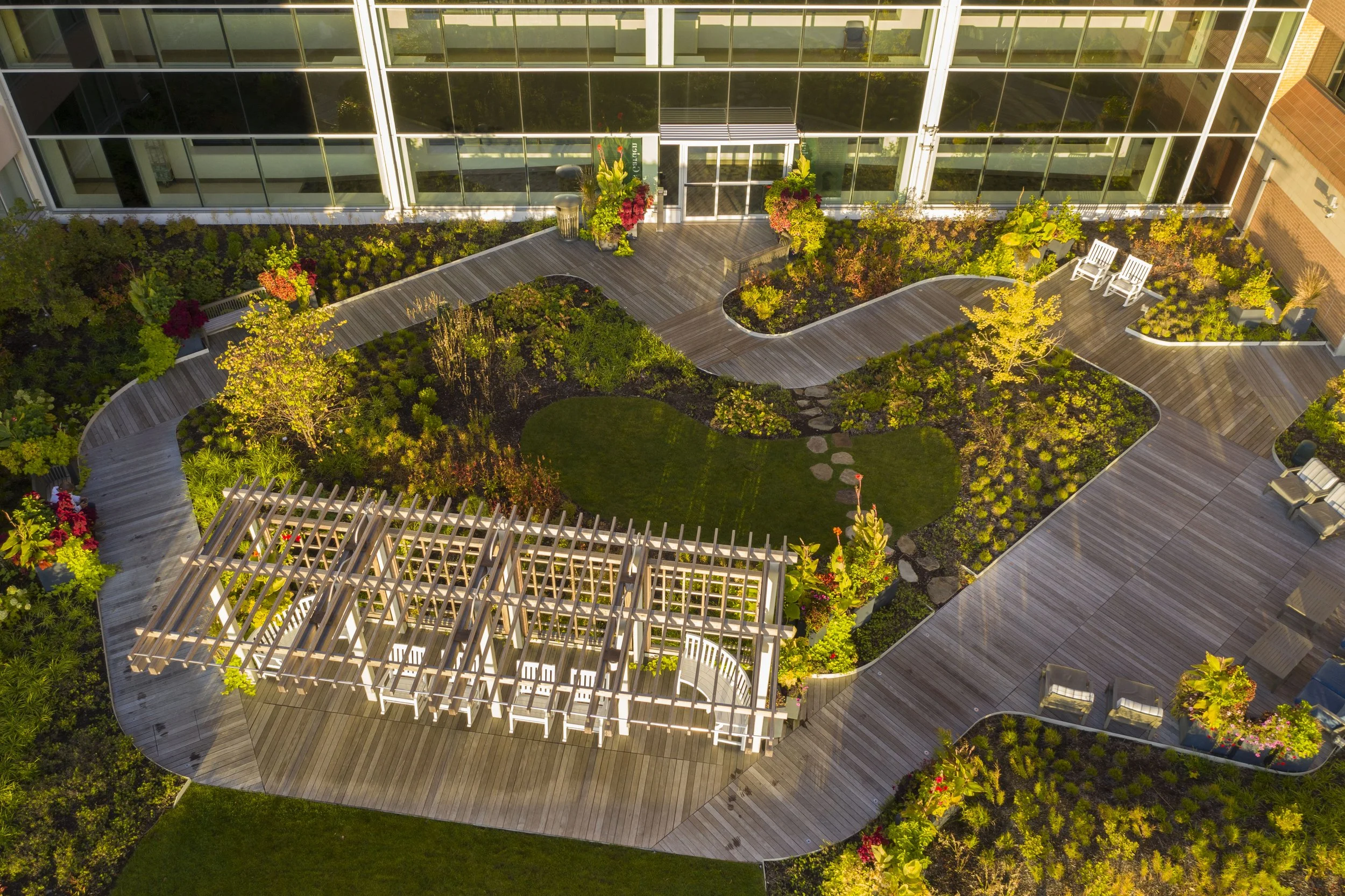
Mixed-Use Development Roofing
Mixed-Use Development Roofing is scoped around South Cheyenne industrial sites, Laramie County business parks, and Cheyenne Logistics Hub properties. The scope stays practical: stop water first, document the roof, then choose the repair or replacement path that fits the building.
View Scope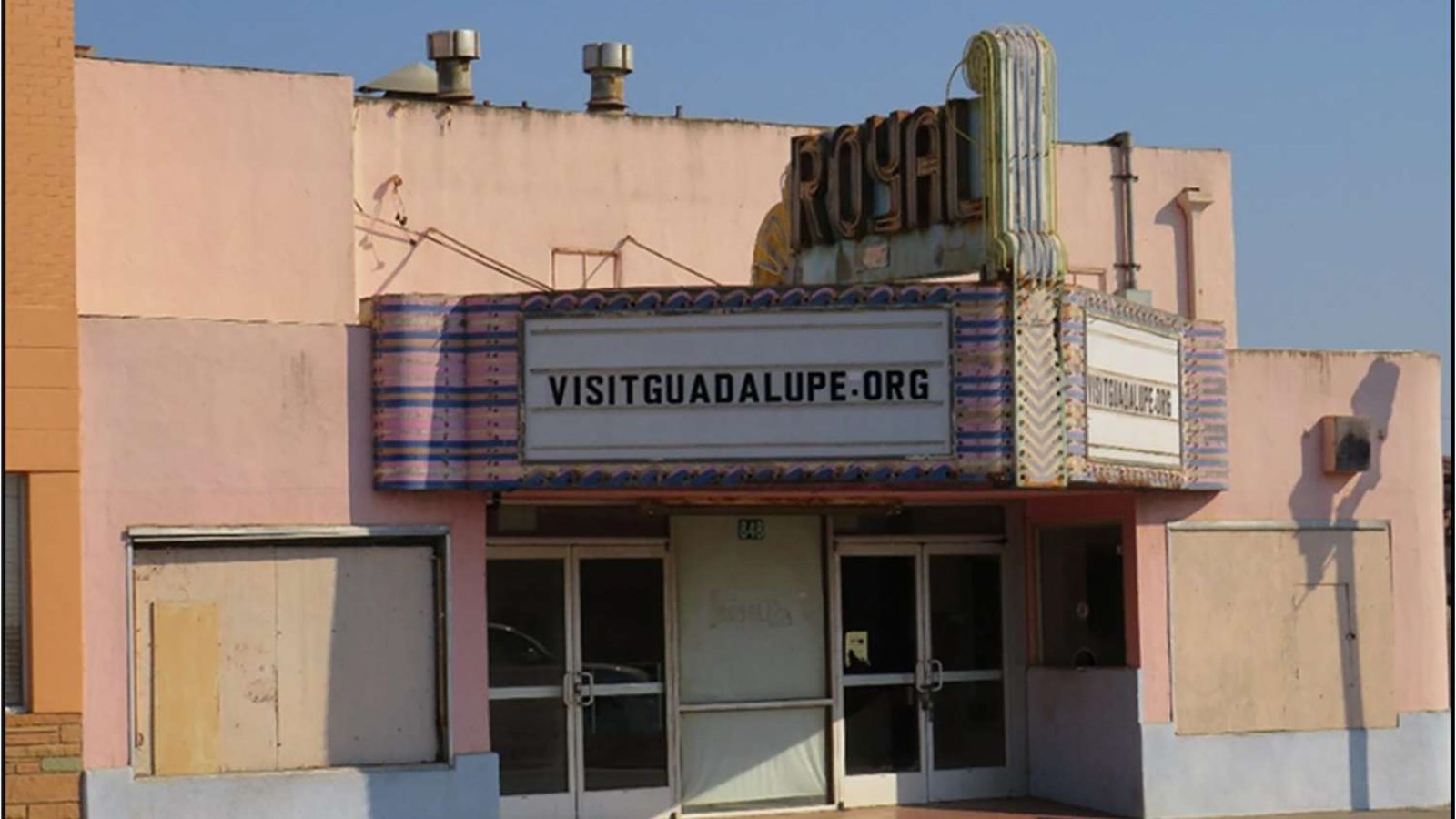
Movie Theater & Cinema Roofing
Movie Theater & Cinema Roofing is scoped around Capitol Avenue office buildings, F.E. Warren Air Force Base area contractors, and freeze-thaw cycles after spring storms. We keep access, weather windows, and tenant disruption in the plan before crews step onto the roof.
View Scope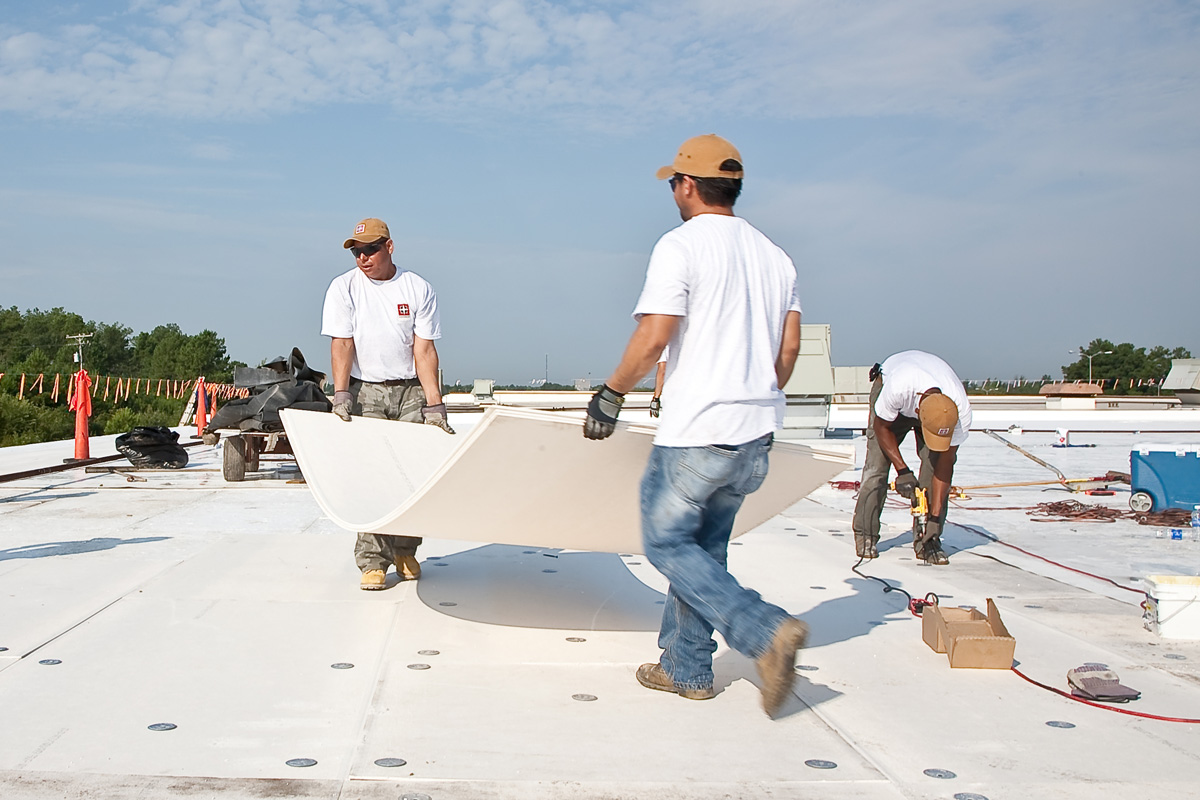
Multifamily Commercial Roofing
Multifamily Commercial Roofing is scoped around F.E. Warren Air Force Base area contractors, freeze-thaw cycles after spring storms, and Cheyenne Regional Medical Center area offices. Every recommendation is tied to observed conditions, not a prewritten roof package.
View ScopeGet the roof decision into writing.
Tell us what changed on the roof, where the building sits, and who needs the report. We will turn the next step into a clear scope.