 Contact Us Now
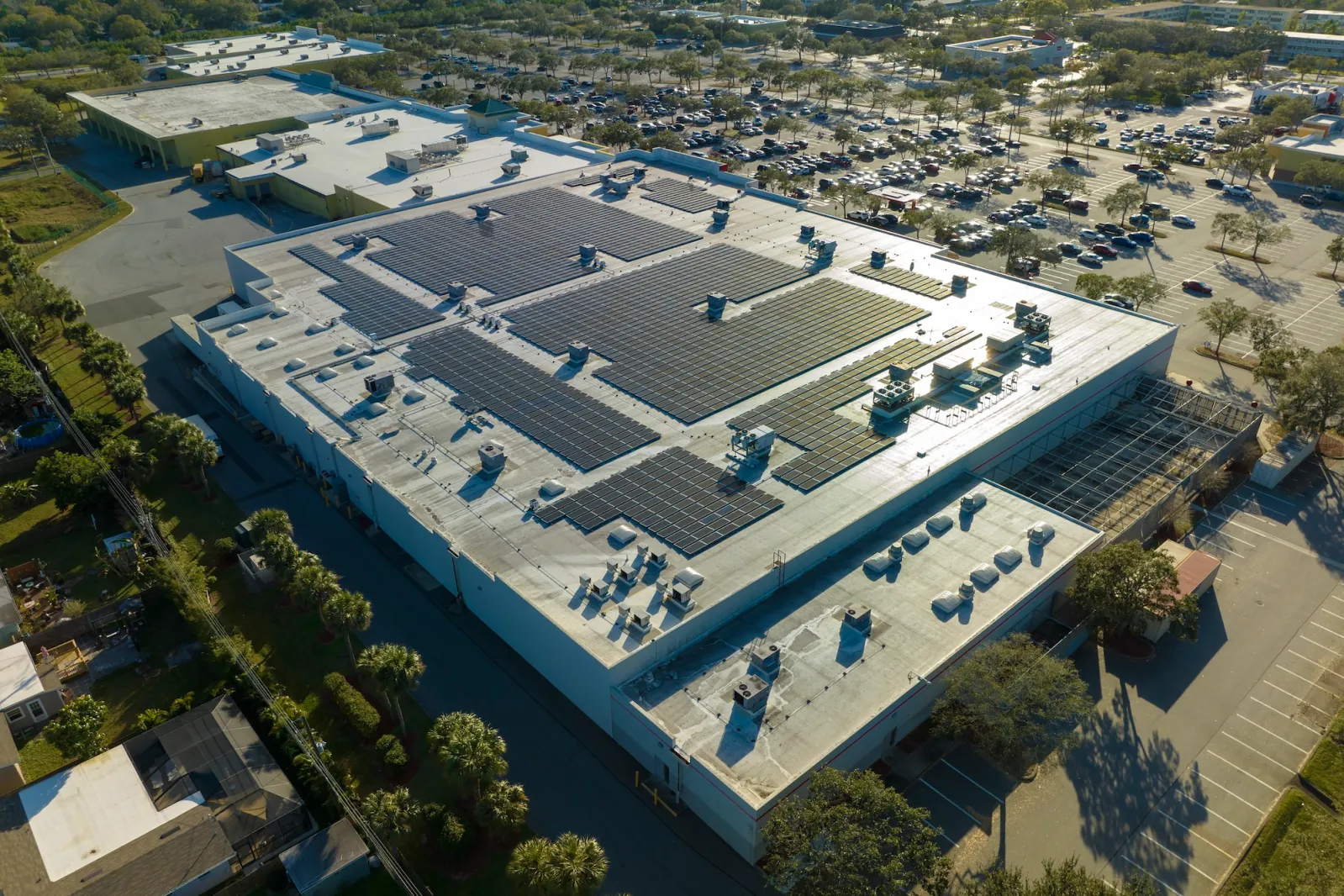
DST Roofing Services in Cheyenne, WY
DST Roofing Services is not useful until the roof condition, access plan, and weather risk are clear. We consider Laramie County public buildings, Dell Range Boulevard retail roofs, Lincolnway corridor storefronts, and South Cheyenne industrial sites before we recommend work.
That keeps the scope tied to the roof that is actually on the building: membrane condition, seams, metal, drainage, rooftop units, access, tenant needs, and timing.
Delaware Statutory Trust sponsors acquiring commercial assets in Wyoming, primarily in the Cheyenne metro area, which concentrates the state's government, military, and regional services economy, are working in one of the country's most challenging small-market DST environments from a roofing perspective. Wyoming's extreme weather conditions are not a secondary concern or a marginal reserve line item. They are the defining physical characteristic of the operating environment for any commercial property in the state, and an offering memorandum that does not reflect Wyoming's specific extreme weather roofing costs is not an adequate representation of the investment's risk profile for the passive investors who will rely on it.
Cheyenne and southeastern Wyoming experience some of the highest sustained wind speeds of any populated area in the continental United States. The city regularly records sustained winds exceeding 40 miles per hour during strong weather events, and gusts during chinook wind episodes and severe weather can substantially exceed those levels. For commercial roofing systems, Wyoming wind exposure means that edge metal, coping caps, and parapet conditions are perpetually stressed in ways that would be considered extraordinary events in most other markets but are baseline operating conditions in Cheyenne. A pre-acquisition inspection for a Cheyenne DST property must include a comprehensive perimeter assessment, edge metal attachment patterns, coping cap fastening, parapet mortar joint integrity, and the condition of any rooftop equipment that presents wind surface area, because these are the first components to fail when Wyoming's characteristic wind exposure reaches its peaks.
Winter conditions in Wyoming add heavy snow load, ice dam potential, and extreme cold temperature impacts to the wind exposure baseline. The Black Hills and Laramie Range to the west and north of Cheyenne can drive snow events of significant depth that accumulate on commercial roofs faster than building owners anticipate. Structural load limits on older commercial buildings in Cheyenne, particularly those constructed before modern building codes imposed more rigorous snow load calculations for Wyoming's geographic position, may be closer to their limits during heavy snow events than the building's visual condition suggests. A DST sponsor acquiring an older Cheyenne commercial building should specifically request a structural assessment of the roof deck's load capacity as part of the pre-acquisition due diligence, particularly if the roof has had additional insulation or roofing layers added after original construction.
The 1031 exchange identification window applies with full force in Cheyenne despite the market's small scale. The challenge in Wyoming is that the pool of commercial roofing contractors capable of providing a DST-quality inspection with infrared moisture scanning and written reserve recommendations is extremely limited. Wyoming does not have the contractor density of a major metro, and the seasonal availability of roofing contractors is compressed by the shorter outdoor working season that Wyoming's climate imposes. DST sponsors should plan for the possibility that scheduling an inspection in winter or during a major weather event may not be feasible, and should build inspection scheduling flexibility into their 1031 identification timeline planning rather than assuming they can schedule an inspection within days of identifying a target property.
Wyoming's small commercial real estate market is anchored in Cheyenne by state government facilities, the Warren Air Force Base economic footprint, the Union Pacific transportation and logistics sector, and the regional professional services economy. Warren AFB is one of the nation's three ICBM missile wings and generates a substantial commercial and small-building support economy around the base perimeter. DST sponsors acquiring commercial assets adjacent to or serving the Warren AFB economic ecosystem should be aware that military-adjacent commercial tenants carry building condition expectations that are formally documented and contractually enforced, the same standard that applies in Virginia Beach, but in a market where contractor response times and seasonal working windows make maintenance execution more challenging.
Reserve adequacy for Cheyenne DST offerings must reflect Wyoming's exceptional cost conditions for commercial roofing work. The limited contractor pool, the shortened outdoor working season, the potential for emergency work during active weather events, and the mobilization cost of bringing specialized equipment or labor from outside the state for major projects all contribute to roofing costs in Wyoming that substantially exceed national benchmarks. A reserve model that applies a standard per-square-foot reserve figure without accounting for Wyoming's market conditions will create a capital shortfall within the hold period that is the predictable consequence of using the wrong cost basis for a market with specific, well-documented pricing premiums.
Hail is a genuine roofing risk in southeastern Wyoming, and the Cheyenne area experiences hail events during the late spring and early summer severe weather season. While Wyoming's hail frequency is lower than Kansas or Oklahoma, the state is not immune, and the combination of hail impact vulnerability and Wyoming's extreme wind environment means that the compounding effect of damage from multiple storm types, a hail event that compromises membrane integrity followed by a wind event that exploits that compromised condition, can produce failures that neither event alone would have caused. A pre-acquisition inspection should assess the current state of membrane integrity with specific attention to whether prior hail impact patterns have been repaired or have been left to accumulate unaddressed.
Extreme cold temperature cycling is a specific Wyoming roofing concern that affects material choices for repair and maintenance work during the hold period. Many standard roofing adhesives, sealants, and temporary repair products have minimum application temperature requirements that are regularly exceeded during Wyoming winters. An asset manager who schedules a repair appointment in January and discovers that the contractor cannot apply the needed materials because temperatures are below product minimums is discovering a practical constraint that should have been anticipated in the hold-period maintenance planning. Specifying cold-weather-capable products and procedures in the maintenance protocol, and budgeting for the premium that cold-weather roofing products and cold-weather labor rates command, is the proactive approach that avoids emergency deferral of needed repairs during Wyoming winters.
Wyoming DST activity reflects demand from investors who see the state's economic stability, driven by energy production, federal government, and military employment, as a counterweight to the market's small size and extreme weather exposure. The stability argument has merit, but it depends on the ability to maintain commercial properties through Wyoming's demanding physical environment over a full hold period. That ability is not guaranteed by the stability of the tenant base, it requires proactive roofing maintenance from contractors who understand Wyoming's specific conditions, reserve models that reflect Wyoming's actual costs, and an asset management approach that treats extreme weather preparation as a year-round operational priority rather than a seasonal afterthought.
- What extreme weather conditions most affect commercial roofing on Wyoming DST properties?
- Exceptional sustained and gusting wind speeds requiring rigorous perimeter fastening, heavy snow load accumulation, extreme cold temperature cycling that constrains repair product options, hail during late spring severe weather season, and the compounding effect of wind and hail on membranes with prior impact damage are the primary Wyoming roofing risks.
- How should Wyoming's limited contractor pool affect DST reserve modeling?
- Reserves should be calculated using Wyoming market pricing, not national benchmarks, the limited contractor pool, shortened outdoor working season, emergency mobilization premiums, and potential need to source specialized labor from outside the state all contribute to costs that substantially exceed national per-square-foot averages.
- What is the recommended inspection timing for a Cheyenne DST acquisition given Wyoming's climate?
- Late spring through early fall inspections avoid the most severe seasonal constraints, but we can accommodate 1031 timeline requirements year-round with appropriate cold-weather inspection protocols, IR scanning remains effective in cold conditions and is the primary tool for subsurface moisture detection when surface conditions are constrained.
- Can you deliver a Cheyenne DST roof condition report within a 1031 identification window?
- We deliver complete reports within five to seven business days of site access when weather and seasonal conditions permit, and we work with exchange buyers and their qualified intermediaries to accommodate 1031 timeline constraints within Wyoming's practical inspection season limitations.
- How do you manage emergency roofing response for Wyoming DST properties during extreme weather events?
- We maintain contractor network relationships capable of emergency response for active maintenance clients, specifying cold-weather-capable materials and procedures in the maintenance protocol to ensure repairs can proceed even during Wyoming's demanding winter conditions rather than being deferred due to temperature or product constraints.
Related Roof Work
Useful next pages for this roof decision.
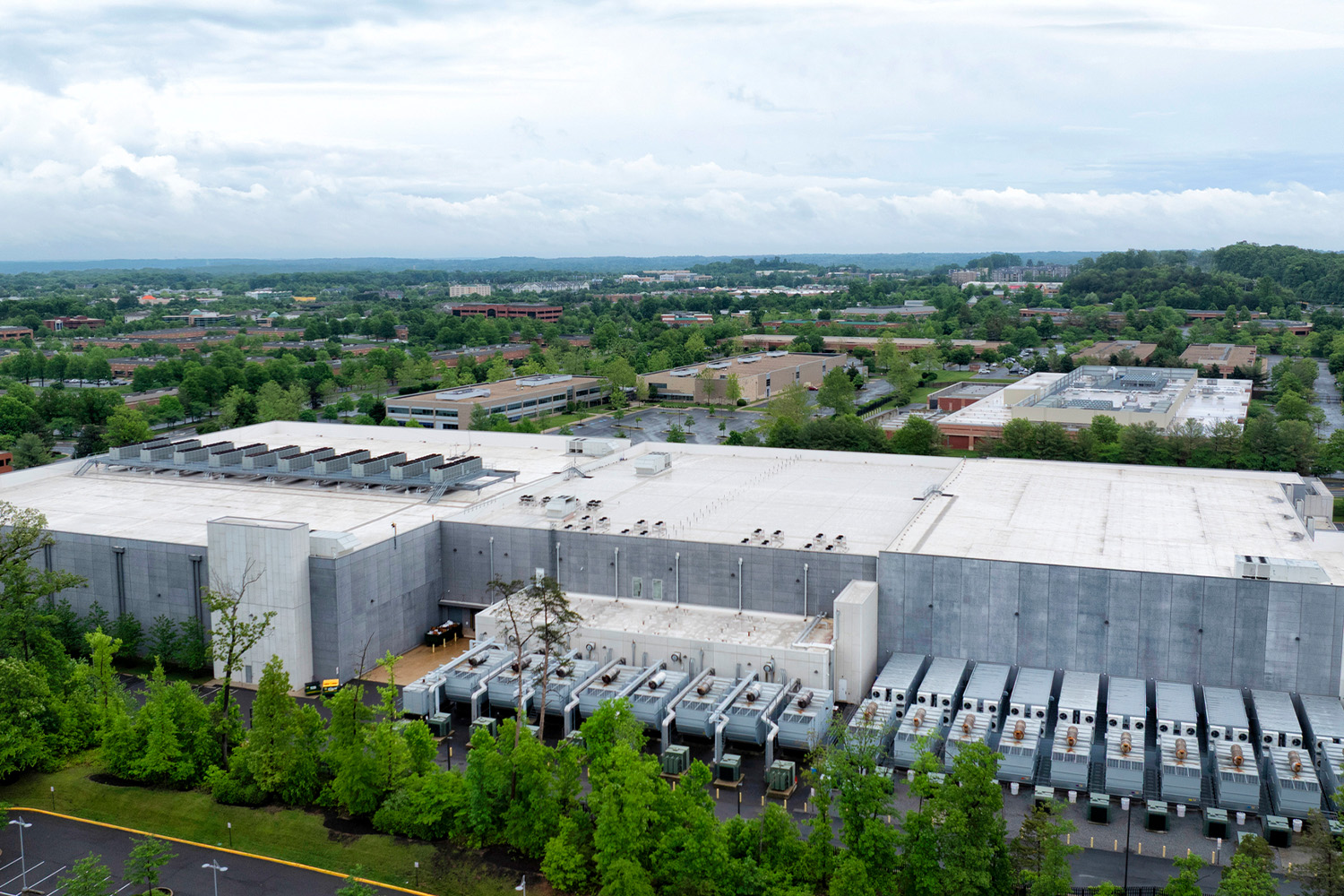
Data Center Roofing
Data Center Roofing is scoped around North Range Business Park warehouses, the I-25 and I-80 freight interchange, and Frontier Mall and nearby service buildings. The scope stays practical: stop water first, document the roof, then choose the repair or replacement path that fits the building.
View Scope
Property Management Roofing
Property Management Roofing is scoped around the I-25 and I-80 freight interchange, Frontier Mall and nearby service buildings, and snow drift at parapets and rooftop units. We keep access, weather windows, and tenant disruption in the plan before crews step onto the roof.
View Scope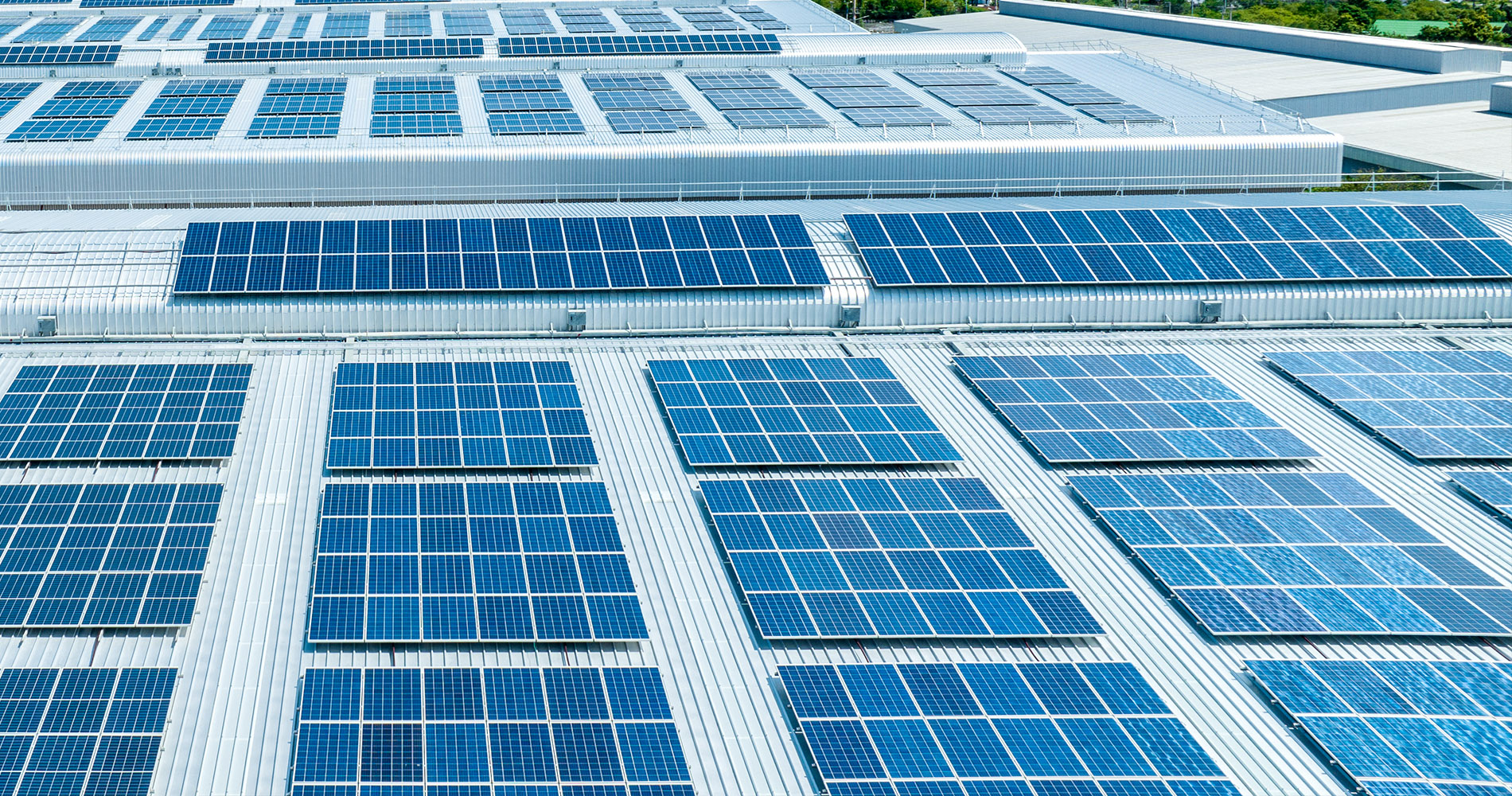
REIT Roofing Services
REIT Roofing Services is scoped around High Plains wind and hail exposure, Laramie County public buildings, and Dell Range Boulevard retail roofs. Every recommendation is tied to observed conditions, not a prewritten roof package.
View ScopeGet the roof decision into writing.
Tell us what changed on the roof, where the building sits, and who needs the report. We will turn the next step into a clear scope.