 Contact Us Now
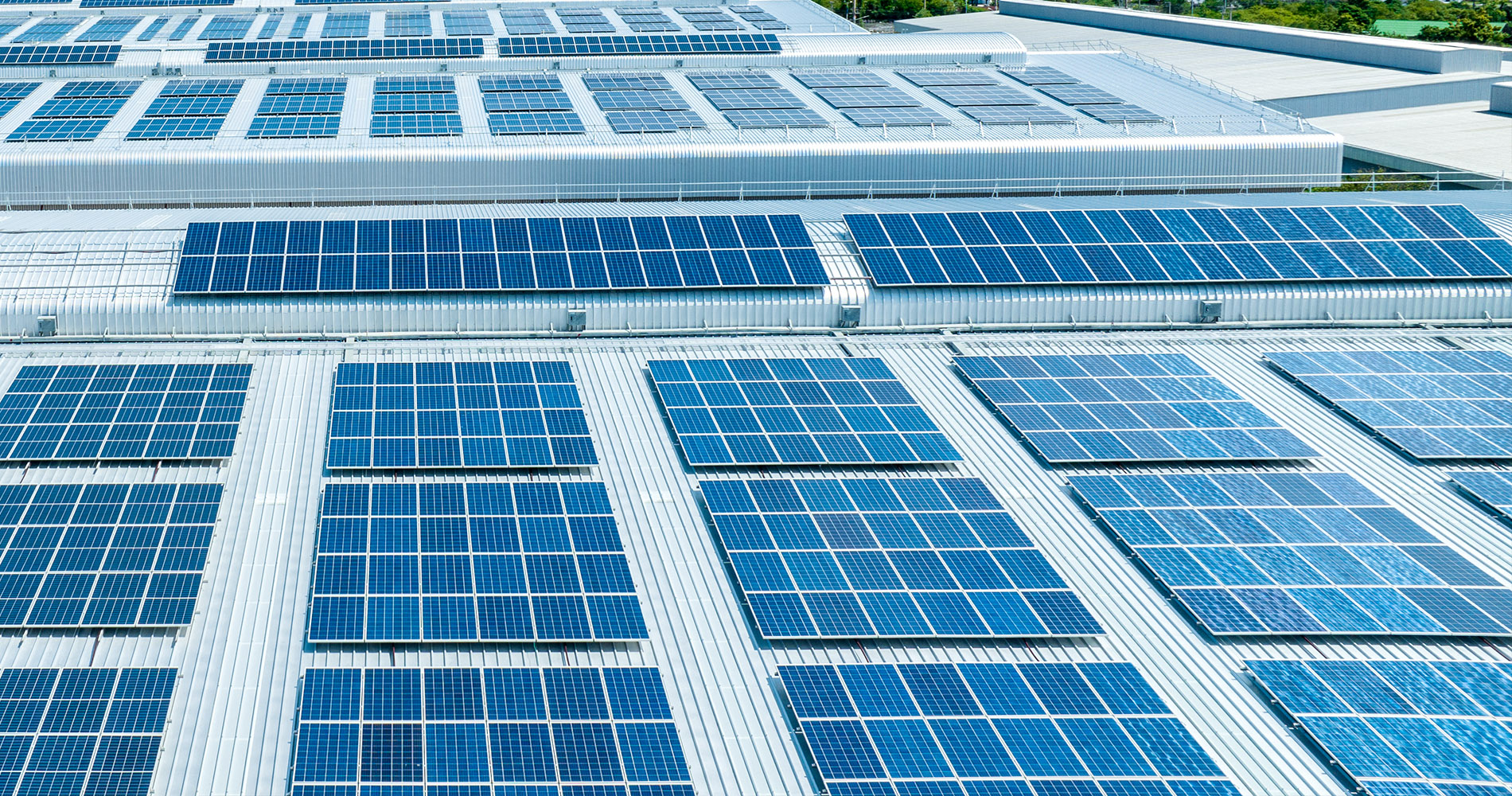
REIT Roofing Services in Cheyenne, WY
For REIT Roofing Services, we look at the roof as an operating asset, not a one-time line item. We consider High Plains wind and hail exposure, Laramie County public buildings, Dell Range Boulevard retail roofs, and Lincolnway corridor storefronts before we recommend work.
That keeps the scope tied to the roof that is actually on the building: membrane condition, seams, metal, drainage, rooftop units, access, tenant needs, and timing.
Whitestone REIT and net-lease commercial REITs have begun exploring Wyoming's Cheyenne market as the state's capital and largest city evolves from a government and ranching economy into a data center hub and front-range commercial corridor. Cheyenne's position at the intersection of I-25 and I-80, combined with Wyoming's favorable tax environment, no corporate income tax, no personal income tax, has attracted data center development from Google, Microsoft, and multiple colocation operators, alongside the retail and industrial development that follows employment growth in a mid-sized western city. For REIT asset managers, Wyoming's commercial market presents a small but growing opportunity set where the alpine continental climate creates roofing challenges that are among the most demanding anywhere in the western United States.
Cheyenne's high-elevation continental climate is defined by extremes that compound in ways that test commercial roofing systems comprehensively. At 6,062 feet elevation, Cheyenne experiences some of the most intense UV radiation of any significant commercial market in the United States, because thin high-altitude air absorbs less of the solar spectrum than sea-level atmospheres. This UV intensity accelerates polymeric membrane degradation far faster than manufacturer warranty tables calibrated for sea-level conditions would suggest. Simultaneously, Cheyenne experiences frequent high-wind events, the city is consistently among the windiest locations in the contiguous United States, with sustained winds above 30 mph occurring hundreds of hours annually and gusts above 60 mph occurring dozens of times per year. Wind uplift performance is not an incidental code compliance matter in Cheyenne; it is an active and regular stress test for every commercial roof in the city.
Snow loading is a third climate stressor that operates alongside UV and wind in Cheyenne's roof performance environment. The city averages nearly 60 inches of annual snowfall, and the combination of high winds and heavy snowfall creates drifting patterns that deposit uneven loads on flat commercial roofs. Drift loading against parapet walls and around rooftop equipment can concentrate snow weight at multiples of the open-field loading rate, potentially exceeding structural design limits on older buildings that were not designed to current Colorado/Wyoming Front Range drift loading standards. REIT asset managers with Cheyenne commercial assets must ensure that structural load ratings for all flat-roofed buildings in the portfolio are current, and that snow removal protocols are in place before the winter season creates emergency conditions.
Property condition assessments before Cheyenne commercial acquisitions close must address UV degradation as a primary finding category alongside the standard moisture and physical condition assessment. A standard PCA protocol that evaluates UV degradation by visual surface inspection will miss membrane brittleness that has not yet manifested as visible cracking. Tensile strength testing at seams, which reveals UV-embrittled membrane that has lost structural integrity but appears visually intact, is essential for Cheyenne acquisitions. The altitude UV factor should also inform the PCA's useful life projection: a membrane that would be assessed as having 8 years of remaining useful life at Denver's elevation may have only 5 or 6 remaining years under Cheyenne's more intense UV exposure.
The data center sector creates unique commercial roofing requirements for Cheyenne's growing technology real estate inventory. Data centers require extremely precise building envelope performance, even small moisture infiltrations can create catastrophic equipment damage in server environments, and the HVAC systems required for data center cooling create dense rooftop equipment penetration fields that are among the most maintenance-intensive in commercial roofing. For REITs managing or acquiring data center adjacent commercial assets in Cheyenne, the roofing specification standards and inspection frequency appropriate for mission-critical facilities exceed ordinary commercial standards significantly.
Master service agreements for Cheyenne commercial portfolios must address the specific high-altitude, high-wind, heavy-snow operational environment. An MSA should include snow removal protocols triggered by defined accumulation thresholds or structural load monitoring, emergency wind damage assessment capability for the post-high-wind-event window that follows Cheyenne's frequent severe wind days, and UV-stabilized material specifications for all replacement work. The contractor must have experience with Wyoming's specific climate requirements, not just general Rocky Mountain or western U.S. commercial roofing, because Cheyenne's combination of altitude UV, extreme wind, and heavy snow load is distinct from Denver, Salt Lake City, or other more moderately exposed western markets.
Ten-year CAPEX models for Cheyenne commercial portfolios must apply the altitude UV factor as a systematic correction to manufacturer warranty life expectations. A practical approach is to reduce standard warranty life by 25 to 35 percent for Cheyenne's UV environment, then apply the wind uplift and snow loading assessments as additional useful life modifiers for specific building configurations. Buildings with significant parapets and rooftop equipment, which experience concentrated drift loading, should carry shorter replacement cycles than open-field roofs on the same membrane system. The model should also include a wind event damage reserve, as Cheyenne's frequent severe wind events create a recurring repair cost that does not exist in lower-wind markets.
Investor reporting for Wyoming REIT assets requires contextualizing the unusual climate risk profile for institutional investors unfamiliar with high-altitude plains commercial real estate. The combination of UV, wind, and snow loading that characterizes Cheyenne's commercial roofing environment is not well-described by generic climate risk frameworks that focus on hurricane or flood exposure. A REIT supplemental that specifically addresses the Wyoming climate's roofing implications, with documented UV-stabilized specifications, structural load certifications, and wind event response history, translates an unusual risk profile into a managed one, which is the information institutional investors need to underwrite it properly.
Cheyenne's commercial roofing contractor market is small relative to larger western cities, and the availability of contractors with specific altitude commercial roofing experience is limited. Some of the strongest firms serving Cheyenne operate from the greater Denver metro and maintain crews deployed to the Wyoming Front Range on a project basis. REIT asset managers should identify qualified contractors early, well before replacement cycles or weather events create urgency, and structure MSA terms that commit contractor availability for emergency response, because post-storm contractor scarcity in a small market like Cheyenne can leave uncontracted property owners waiting for service while MSA-covered properties receive priority attention.
- How do REITs structure portfolio roofing programs for Cheyenne, Wyoming commercial assets?
- Wyoming REIT portfolio programs use MSAs with high-altitude experienced contractors specifying UV-stabilized materials for all replacement work, snow removal protocols with defined structural load thresholds, post-high-wind-event assessment commitments, and data center-grade inspection frequency for any technology or mission-critical assets in the portfolio. The altitude UV factor should be documented as a specification requirement so that every replacement project across the portfolio receives the appropriate enhanced membrane formulation.
- How does Cheyenne's climate affect NOI for commercial REIT properties?
- Altitude UV accelerates membrane degradation and shortens replacement cycles, increasing CAPEX frequency relative to lower-elevation markets. Frequent high-wind events create recurring repair costs for lifted flashings, separated seams, and damaged rooftop equipment curbs. Heavy snow loading creates emergency removal obligations and structural monitoring requirements that add operating costs not present in lower-elevation markets. These factors collectively increase per-square-foot roofing management costs by 20 to 35 percent above temperate low-elevation market benchmarks.
- What should a 10-year CAPEX model include for a Cheyenne commercial portfolio?
- The model should apply a 25 to 35 percent useful life reduction to manufacturer warranty projections for altitude UV conditions, include an annual wind event damage reserve, a snow removal reserve for severe accumulation events, structural load certification costs for drift-prone building configurations, and a UV-stabilized material specification premium for all replacement work. Data center adjacent assets should carry separate inspection frequency budgets appropriate for mission-critical facility roofing standards.
- What does a PCA need to cover for roofing on a Cheyenne commercial acquisition?
- A Cheyenne PCA should include tensile strength testing at seams for UV embrittlement detection, a structural load assessment for snow drift capacity adequacy, wind uplift compliance documentation for Wyoming's high-wind exposure, UV degradation evaluation with altitude-adjusted useful life projections, and for any data center assets, a penetration density assessment and flashing condition evaluation appropriate for mission-critical building envelope requirements.
- Why does altitude UV matter more for Cheyenne REIT roofing than for lower-elevation western markets?
- At 6,062 feet elevation, Cheyenne's atmosphere absorbs significantly less of the UV spectrum than sea-level or moderate-elevation markets, resulting in membrane surfaces receiving UV dosage well above what manufacturer warranty tables assume. This accelerates polymeric degradation, brittleness, and seam failure by 25 to 35 percent relative to comparable products at lower elevation. REITs that apply sea-level useful life assumptions to Cheyenne roofs will systematically underestimate CAPEX frequency and face reserve shortfalls at every replacement cycle.
Related Roof Work
Useful next pages for this roof decision.
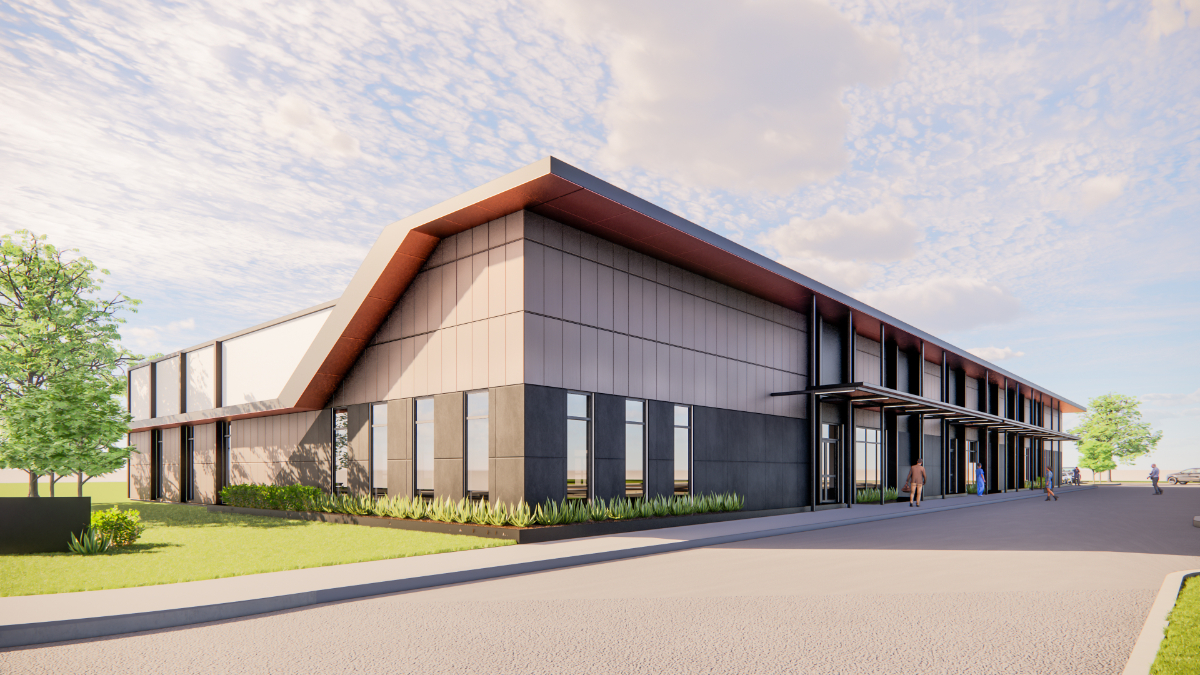
Healthcare Facility Roofing
Healthcare Facility Roofing is scoped around Laramie County business parks, Cheyenne Logistics Hub properties, and North Range Business Park warehouses. The scope stays practical: stop water first, document the roof, then choose the repair or replacement path that fits the building.
View Scope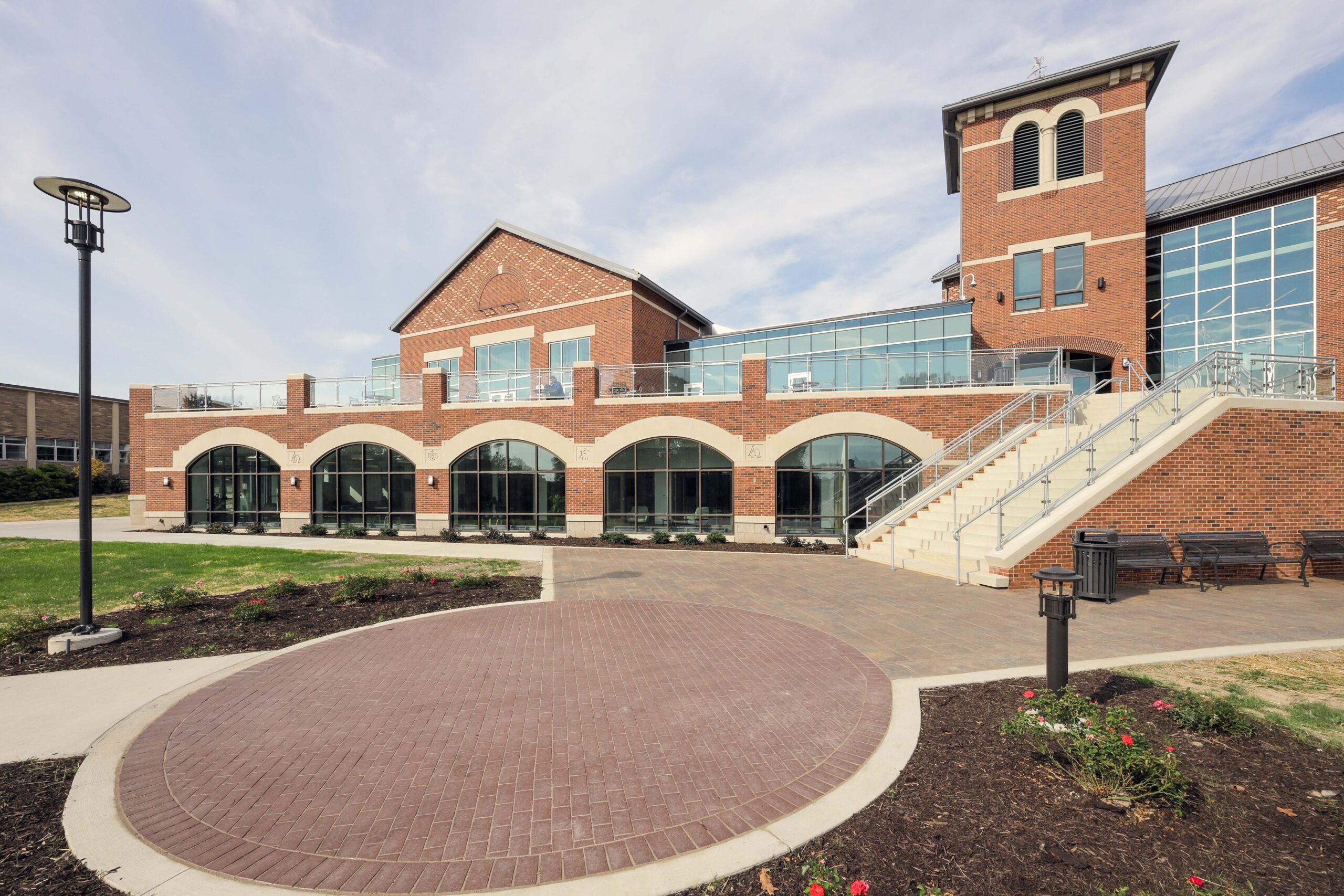
Education Campus Roofing
Education Campus Roofing is scoped around Laramie County public buildings, Dell Range Boulevard retail roofs, and Lincolnway corridor storefronts. We keep access, weather windows, and tenant disruption in the plan before crews step onto the roof.
View Scope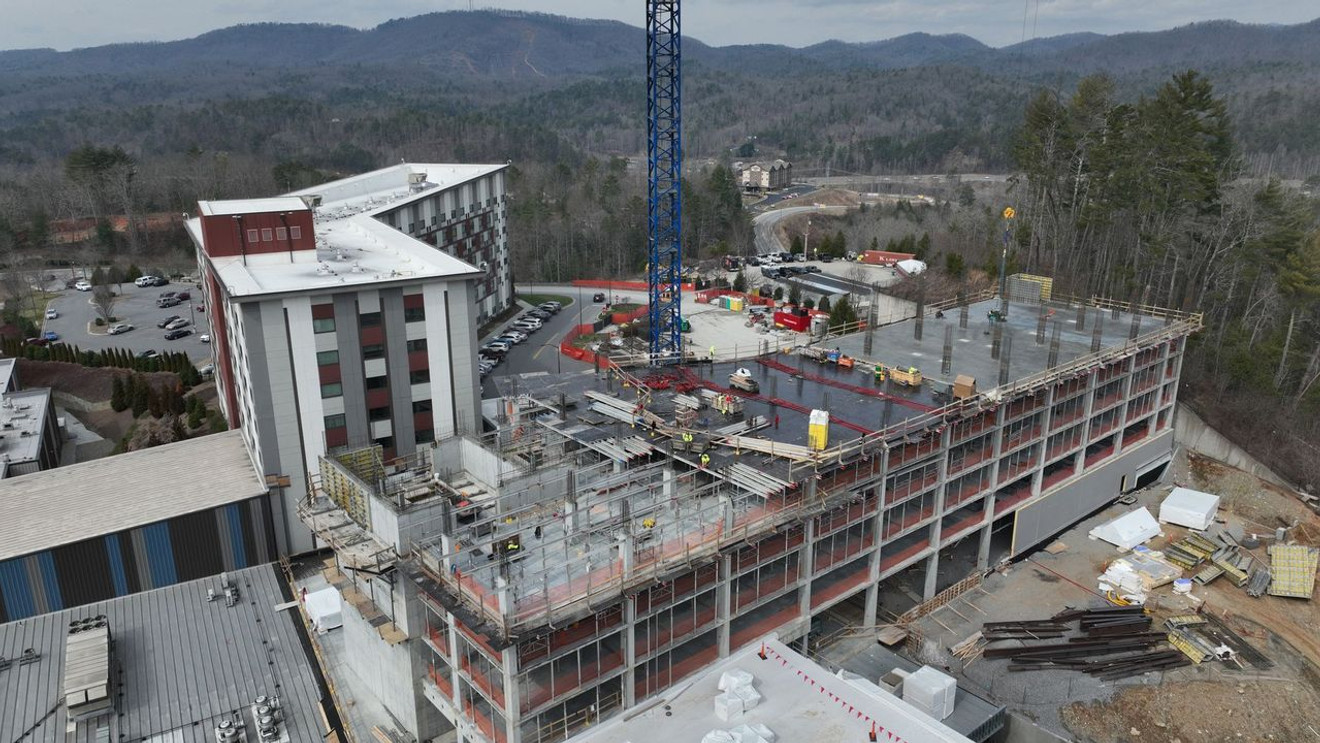
Hospitality Roofing
Hospitality Roofing is scoped around North Range Business Park warehouses, the I-25 and I-80 freight interchange, and Frontier Mall and nearby service buildings. Every recommendation is tied to observed conditions, not a prewritten roof package.
View ScopeGet the roof decision into writing.
Tell us what changed on the roof, where the building sits, and who needs the report. We will turn the next step into a clear scope.