 Contact Us Now
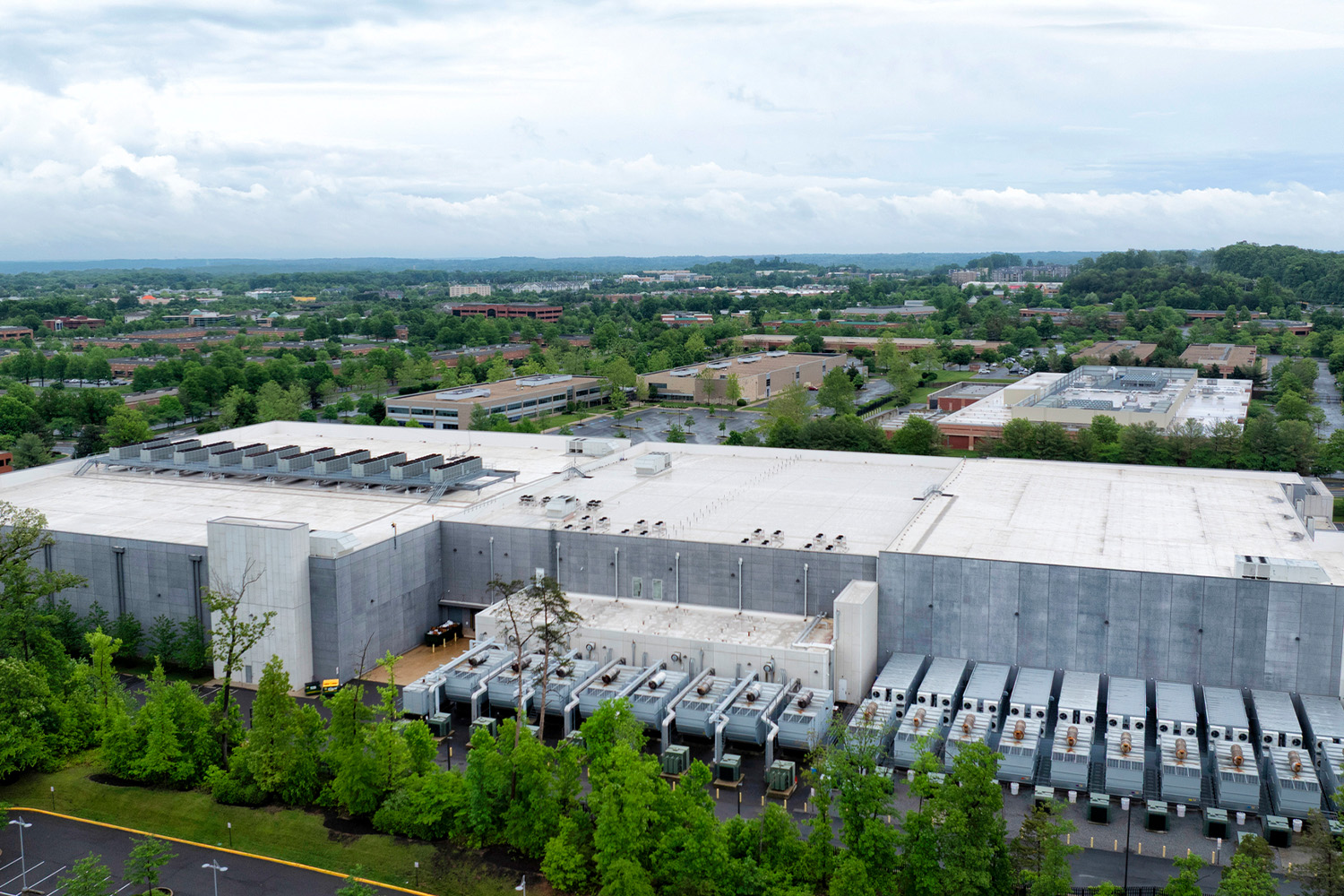
Data Center Roofing in Cheyenne, WY
Data Center Roofing works best when the repair plan, replacement timing, and documentation all point to the same decision. We consider North Range Business Park warehouses, the I-25 and I-80 freight interchange, Frontier Mall and nearby service buildings, and snow drift at parapets and rooftop units before we recommend work.
That keeps the scope tied to the roof that is actually on the building: membrane condition, seams, metal, drainage, rooftop units, access, tenant needs, and timing.
Cheyenne, Wyoming has emerged as one of the most strategically significant data center locations in the United States, and Microsoft's large campus investment in the city is the clearest evidence of why. The combination of cold climate that reduces mechanical cooling costs, low-cost electrical power from Wyoming's energy resources, a low seismic risk profile, and substantial available land has attracted hyperscale and enterprise data center investment to a city whose geographic isolation would otherwise seem to limit its technology appeal. Microsoft's Wyoming data center facilities represent a level of computing infrastructure investment that has fundamentally altered the scale and sophistication of commercial construction activity in the Cheyenne area.
Cheyenne Light, Fuel and Power, the local electric utility, provides power infrastructure to the data center market at costs that compare favorably to coastal and Sun Belt markets where energy prices have risen significantly. Wyoming's cold climate computing advantage is measurable: the number of days per year that ambient outdoor air can be used directly or with minimal conditioning for data center cooling, a metric called free cooling hours, is among the highest of any continental U.S. market. Microsoft and other hyperscale operators have engineered their Cheyenne facilities to maximize free cooling utilization, which changes how rooftop mechanical systems are designed and consequently how the roofing system must accommodate those systems.
Wyoming's high plains climate presents roofing challenges that are unique among U.S. data center markets. Cheyenne sits at an elevation of approximately 6,200 feet above sea level, the highest elevation of any state capital in the country, and that elevation produces a climate characterized by high UV intensity, extreme wind exposure, severe cold, and the rapid weather transitions that characterize high altitude continental climates. Roofing assemblies engineered for lower-elevation Great Plains cities like Wichita or Denver are not automatically appropriate for Cheyenne's more extreme conditions.
Wind is the most persistent and consequential roofing design factor in Cheyenne. The city regularly ranks among the windiest metropolitan areas in the United States, with average wind speeds that exceed those of Chicago's much-publicized reputation. The high plains terrain provides no geographic wind breaks, and the prevailing westerly winds that funnel through the Wyoming corridor can sustain speeds above 50 miles per hour for extended periods during winter months. Roofing systems on Cheyenne data centers must be engineered for this sustained wind exposure, not just the design wind speed used in standard ASCE 7 calculations. Mechanically attached single-ply systems in Cheyenne require fastener densities that can be two to three times higher than in calmer markets to achieve equivalent uplift resistance.
Cold temperature roofing performance is a year-round consideration in Cheyenne rather than a seasonal concern. Nighttime temperatures below freezing occur in every month except July and August at Cheyenne's elevation, and the freeze-thaw cycling that results from the diurnal temperature swings common on the high plains creates mechanical stress at roofing seams and penetration flashings throughout the year. Membrane materials must maintain flexibility at low temperatures, not just the minimum installation temperature, but the minimum service temperature during cold nights when the membrane must accommodate thermal contraction without cracking or delaminating from the substrate.
The hyperscale data center's rooftop cooling infrastructure creates roofing coordination challenges in Cheyenne that reflect the facility's extraordinary scale. Microsoft's Wyoming campus-scale cooling systems involve equipment that dwarfs anything found on standard commercial buildings, large air handling units, cooling towers, and the extensive ductwork and piping infrastructure that connects them. The roofing system must accommodate penetration densities, equipment curb loads, and vibration transmission from this equipment at a scale that requires engineering review specifically for the Cheyenne installation rather than reliance on standard detail drawings developed for typical commercial applications.
Vapor management in Cheyenne's cold, dry climate is a winter-dominated challenge. Data centers operating server hardware in Cheyenne's low ambient humidity environment must add moisture to the interior air to maintain the minimum humidity levels required to prevent electrostatic discharge damage to hardware. This creates a vapor drive from the humidified interior toward the cold, dry exterior that, without a properly positioned and continuous vapor retarder, will drive moisture into the roof insulation assembly. At Cheyenne's elevations and winter temperatures, that moisture can freeze within the assembly, causing physical expansion damage to insulation boards and subsequent cracking that allows water infiltration during thaw events.
Snow management on Cheyenne data center roofs requires attention to both the total load accumulation potential and the drift loading created by Cheyenne's persistent winds. Flat roofs in Cheyenne's wind environment can accumulate snow drifts adjacent to parapet walls, penthouses, and equipment curbs that are dramatically larger than the uniform snow load the structural system was designed to accommodate. Structural engineers reviewing re-roofing projects on Cheyenne data centers should specifically assess drift loading zones and confirm that the structural system has adequate capacity for the loads that the specific roof geometry will produce under Cheyenne's wind and snow conditions.
The economic rationale for data center investment in Cheyenne, low energy cost, free cooling hours, and available land, creates a virtuous cycle for facility quality investment as well. Operators who choose Cheyenne for its operating cost advantages have a sophisticated understanding of total cost of ownership and are well-positioned to recognize the long-term value of premium roofing systems that minimize maintenance costs, preserve thermal performance, and reduce emergency response risk over the data center's operational life. The same analysis that drives the initial location decision supports investment in building envelope quality that pays dividends over decades.
Frequently Asked Questions: Data Center Roofing in Cheyenne, WY
Why has Cheyenne attracted hyperscale data center investment from Microsoft and others?
Cheyenne's combination of cold climate (reducing mechanical cooling costs), abundant low-cost Wyoming power, seismically stable geology, and available land makes it economically attractive for large-scale data center development. The high number of free cooling hours available at Cheyenne's elevation allows hyperscale operators to reduce mechanical cooling energy consumption substantially compared to warmer markets, improving operating economics over the facility's multi-decade life.
What wind resistance specifications are appropriate for Cheyenne data center roofs?
Cheyenne is consistently among the windiest metropolitan areas in the United States, and roofing fastener patterns and adhesive coverage rates must be calculated specifically for Cheyenne's sustained wind exposure rather than applying standard commercial specifications developed for calmer markets. Fully adhered single-ply systems are preferred over mechanically attached systems to eliminate the billowing failure mode that Cheyenne's wind environment would aggressively test in a mechanically attached assembly.
How does high altitude affect roofing material performance in Cheyenne?
Cheyenne's elevation of approximately 6,200 feet produces UV radiation intensity that exceeds sea-level values by approximately 25 percent. This elevated UV exposure accelerates photodegradation of roofing membrane surfaces and affects the aging rate of adhesives and flashing compounds. Membrane systems with demonstrated high UV resistance and manufacturers' data showing performance at comparable elevations should be specified for Cheyenne data center applications.
What snow drift loading considerations apply to Cheyenne data center roofs?
Cheyenne's persistent high winds can create snow drift loads adjacent to parapet walls, equipment penthouses, and large rooftop units that significantly exceed the uniform ground snow load used in basic structural calculations. Structural engineers reviewing Cheyenne data center roofing projects should explicitly calculate drift loads for all vertical projections on the roof surface and confirm structural adequacy before adding insulation thickness or equipment loads to the existing deck system.
How does Cheyenne's cold, dry climate affect data center vapor management?
Data centers in Cheyenne must add moisture to interior air to maintain minimum humidity levels for hardware protection, creating a vapor drive from the humidified interior toward the cold, dry exterior. Continuous, properly positioned vapor retarders are essential to intercept this drive before moisture reaches temperatures within the assembly where it would freeze. Damaged or improperly lapped vapor retarders can produce freeze-thaw expansion damage within the insulation that creates water infiltration pathways invisible until thaw events reveal the accumulated damage.
Related Roof Work
Useful next pages for this roof decision.
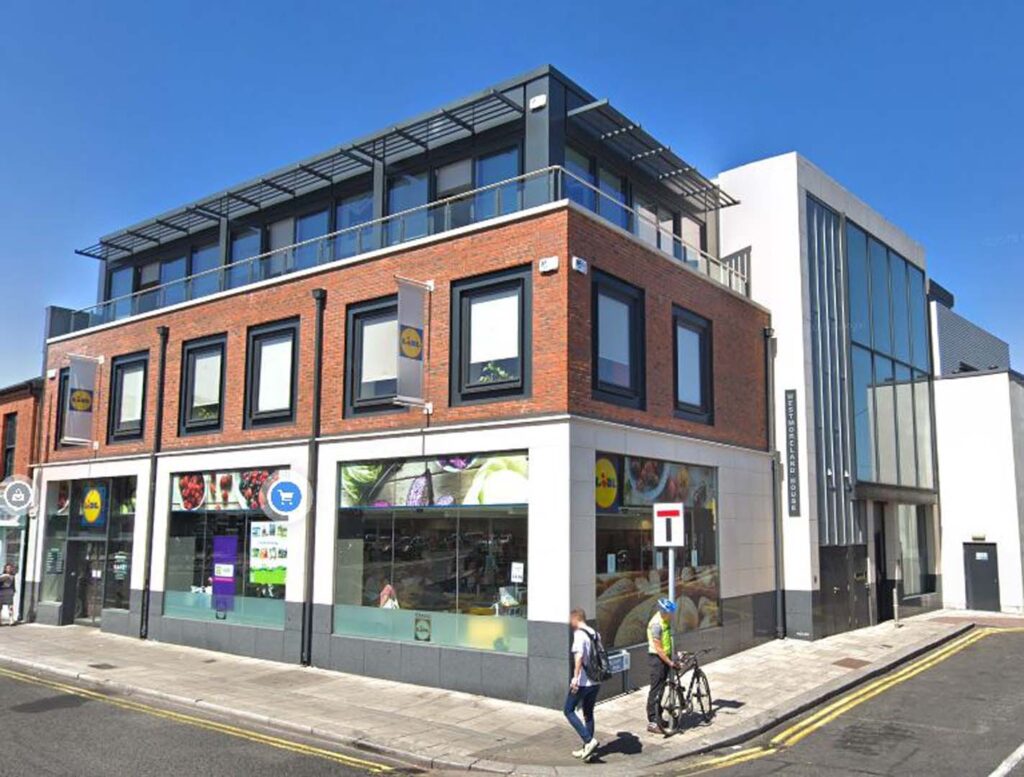
Property Management Roofing
Property Management Roofing is scoped around the I-25 and I-80 freight interchange, Frontier Mall and nearby service buildings, and snow drift at parapets and rooftop units. The scope stays practical: stop water first, document the roof, then choose the repair or replacement path that fits the building.
View Scope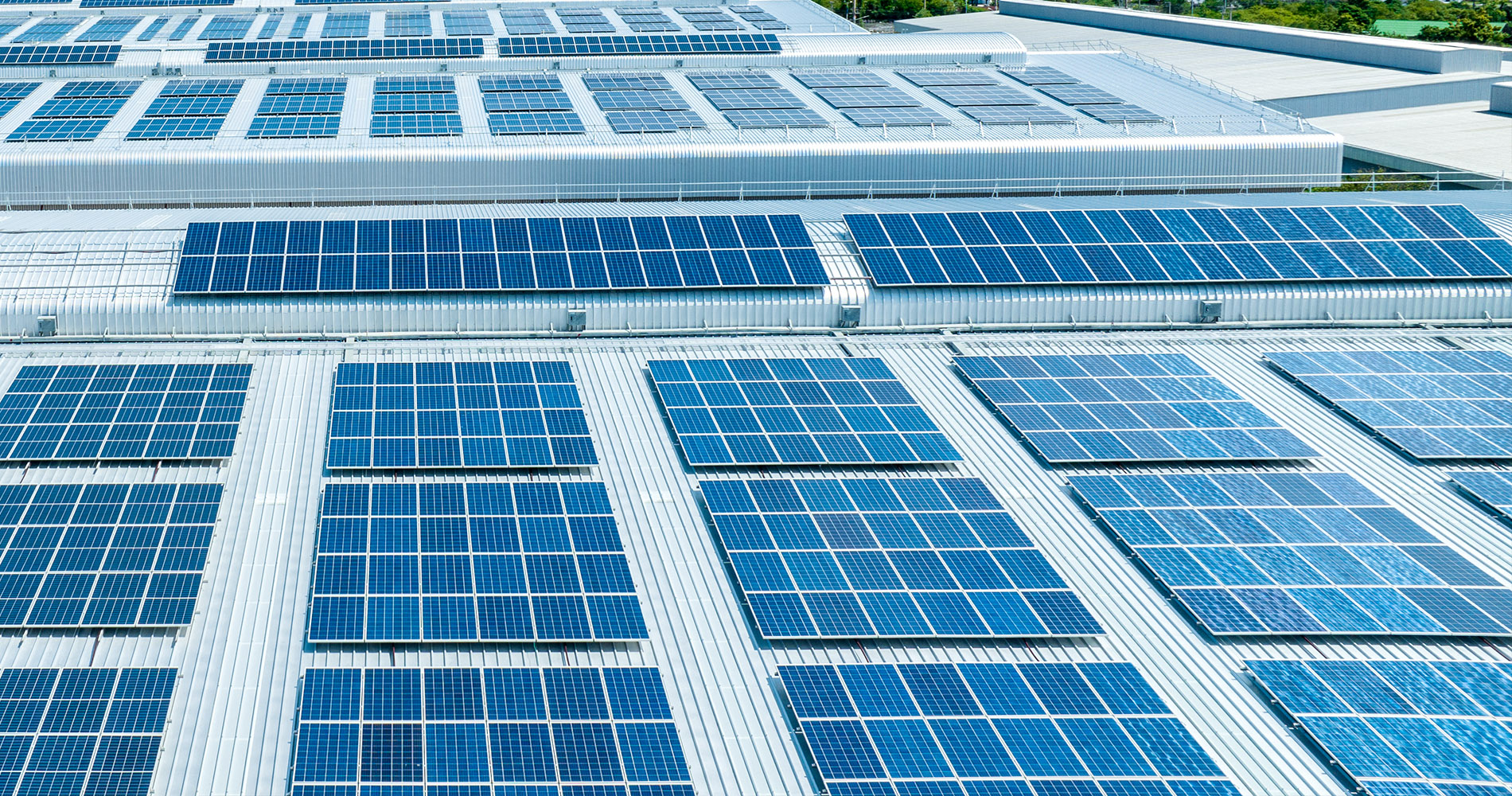
REIT Roofing Services
REIT Roofing Services is scoped around High Plains wind and hail exposure, Laramie County public buildings, and Dell Range Boulevard retail roofs. We keep access, weather windows, and tenant disruption in the plan before crews step onto the roof.
View Scope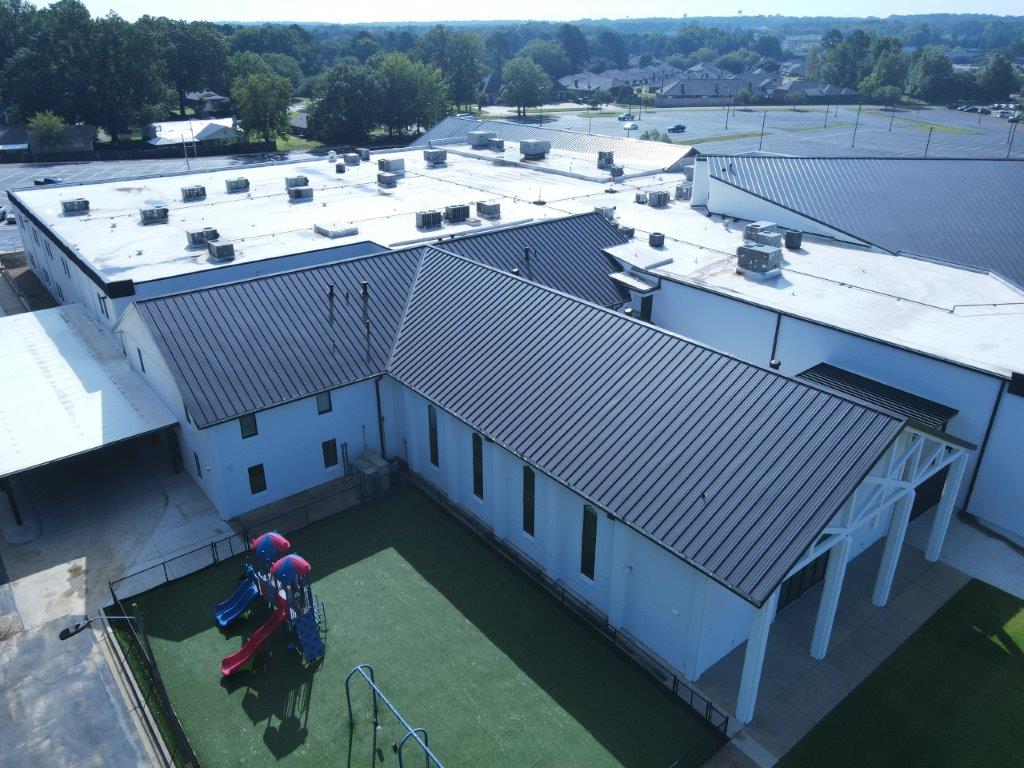
Religious Facility Roofing
Religious Facility Roofing is scoped around Capitol Avenue office buildings, F.E. Warren Air Force Base area contractors, and freeze-thaw cycles after spring storms. Every recommendation is tied to observed conditions, not a prewritten roof package.
View ScopeGet the roof decision into writing.
Tell us what changed on the roof, where the building sits, and who needs the report. We will turn the next step into a clear scope.