 Contact Us Now
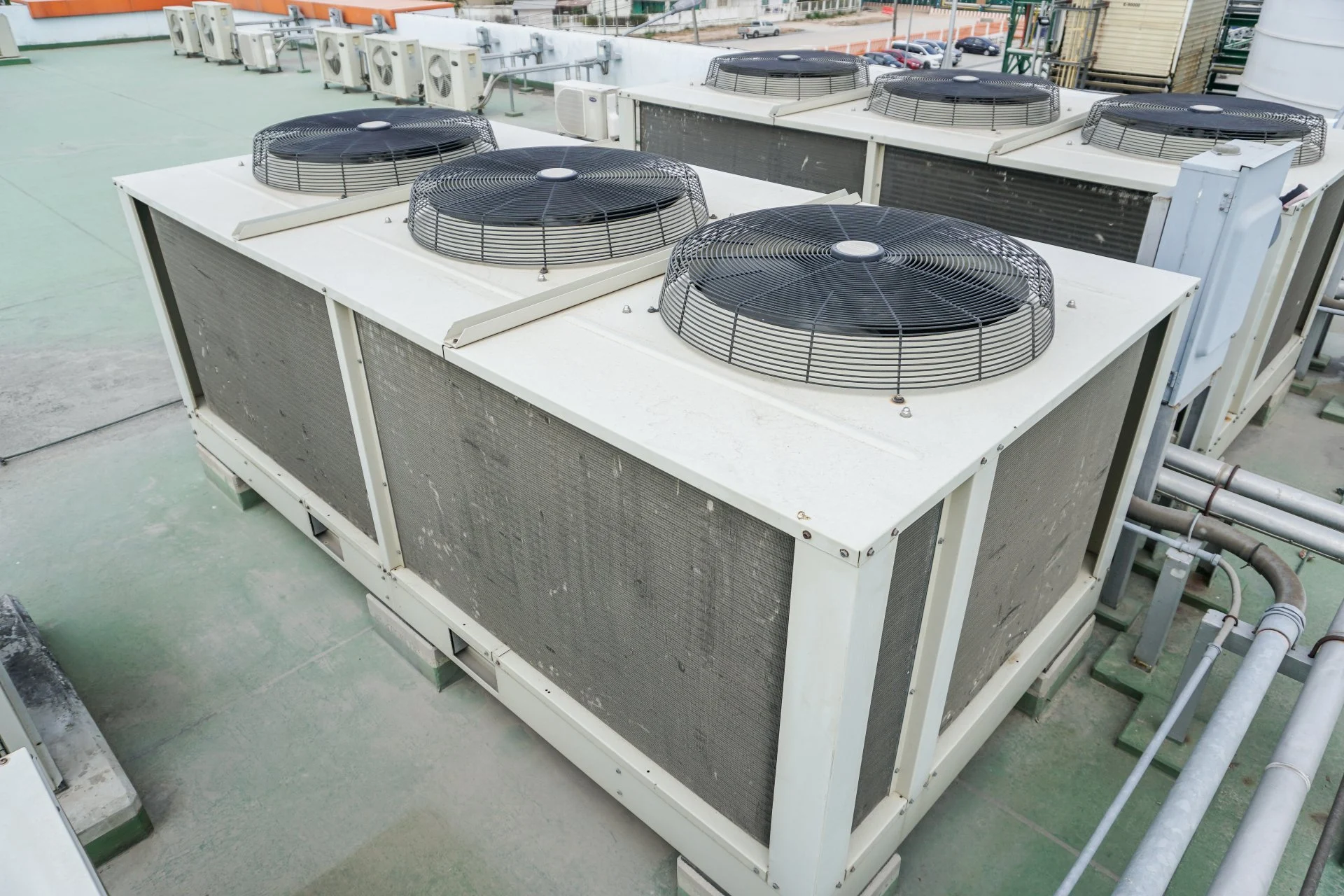
Restaurant Roofing in Cheyenne, WY
Restaurant Roofing is not useful until the roof condition, access plan, and weather risk are clear. We consider freeze-thaw cycles after spring storms, Cheyenne Regional Medical Center area offices, Cheyenne Regional Airport facilities, and High Plains wind and hail exposure before we recommend work.
That keeps the scope tied to the roof that is actually on the building: membrane condition, seams, metal, drainage, rooftop units, access, tenant needs, and timing.
Restaurant Roofing field note: A commercial roof tied to Restaurant Roofing asks different questions than a small office roof near occupied-building staging. For restaurant roofing, we map the roof sections, note rooftop units, check wind edge conditions, and decide what must be stabilized before the next weather window.
The buyer behind restaurant roofing is usually operators planning restaurant roofing without disrupting tenants, inventory, students, patients, public access, or loading schedules. We write the scope around that person because a roof above Fox Farm-College may need clean daytime access, while a roof near Laramie County Community College may be governed by loading doors, truck courts, tenant entrances, or a rail-served yard schedule.
NOAA NCEI 1991-2020 normals for Cheyenne station USW00024018 list 46.9 F annual average temperature, 15.41 inches of normal annual precipitation, 62.9 inches of normal annual snowfall, 14.9 days above 90 F, and 170.4 days with lows below freezing. Those numbers matter for restaurant roofing: April normal snowfall of 11.3 inches pushes snow drift review into spring work, May normal precipitation of 2.44 inches tests drains and scuppers, and repeated freeze-thaw cycles make old repairs around North Range Business Park easier to misread from the ground.
Cheyenne LEADS identifies business-park roof demand in places like the 900-acre Cheyenne Business Parkway, the 1500-acre rail-served Cheyenne Logistics Hub, the 200-plus-acre Campstool Business Park, the 620-acre North Range Business Park, and the 500-acre Bison Business Park. We use those business parks for restaurant roofing because large roofs in those settings need staging, drainage, edge securement, and documentation that can survive budget review.
The I-25/I-80 Interchange is a material-delivery and access issue for restaurant roofing, not just a map label. When crews work near Yellowstone Road Corridor, lift placement, roll delivery, tear-off haul-off, and daily close-in have to be planned before wind, snow, or afternoon thunderstorm risk changes the day.
We check restaurant roofing by roof area. The first pass records membrane type, roof age clues, rooftop equipment, ponding evidence, drainage path, metal edge condition, wall transitions, pitch pockets, grease or chemical exposure, and any interior leak locations. If a moisture scan, probe, or core sample changes the story at Albin, we update the recommendation instead of forcing the original assumption.
Repair, recover, coating, and replacement are separate decisions for restaurant roofing. A dry roof with isolated seam failure near 500-acre Bison Business Park can often be stabilized. A roof with wet insulation, loose edge metal, failed slope, or deck deterioration around high plains wind uplift needs a broader budget conversation before more patches hide the real problem.
Cost drivers for restaurant roofing are practical: roof access, fall protection, tear-off volume, wet insulation, tapered insulation, drain work, coping, wall flashing, temporary protection, after-hours labor, and occupied-building staging. We mark those drivers in the estimate so ownership can see why Capitol Avenue is priced differently than a simpler roof section.
Documentation matters when restaurant roofing touches insurance, public spending, tenant relations, or capital planning. We provide roof-area notes, photo locations, repair limits, known exclusions, access constraints, and weather-sensitive details. On claim-related work, we document contractor observations without acting as a public adjuster or promising an insurance outcome.
Schedule control protects the building during restaurant roofing. Materials stay clear of drains, open sections are sized to the forecast, and close-in decisions are made before wind or precipitation arrives. That discipline matters on roofs near South Greeley because a small open section can become an interior problem when high plains weather moves faster than the crew can recover.
A good restaurant roofing scope should leave the owner with field photos, priority levels, and enough roof evidence to compare bids around occupied-building staging. We separate temporary dry-in from permanent work and keep claim documentation on the contractor side of the line.
For restaurant roofing, we also compare previous repairs, roof traffic, maintenance records, warranty paperwork, and interior leak history so the owner gets a cleaner decision than a square-foot quote with no field explanation.
Questions Owners Ask
What changes the realistic cost for restaurant roofing?
Access, wet insulation, deck repair, edge metal, drain work, temporary protection, after-hours work, and occupied-building staging change restaurant roofing faster than the roof label. We verify those items around Restaurant Roofing before treating any unit price as reliable.
Can restaurant roofing be done while the building stays open?
Often, but the sequence has to be planned. We review entrances, loading doors, roof access, noise, odor, weather windows, and safety zones near occupied-building staging before recommending daytime, phased, or off-hours work.
How do we decide between repair, recover, coating, and replacement for restaurant roofing?
We look at moisture, deck condition, attachment, slope, seam condition, drain performance, and edge-metal risk. If the roof near I-25/I-80 Interchange is dry and stable, preservation may stay on the table. If moisture is spreading, replacement planning becomes more defensible.
What documentation is included after a restaurant roofing inspection?
Typical documentation includes roof-area notes, photo locations, leak or damage observations, priority levels, repair limits, access constraints, and budget categories. Storm work gets contractor-side evidence without promises about claim outcomes.
How quickly can you look at restaurant roofing after a storm?
Timing depends on access, weather, crew load, and whether water is entering occupied space. We triage active leaks first, especially near Fox Farm-College, and then separate temporary dry-in from permanent repairs.
Related Roof Work
Useful next pages for this roof decision.
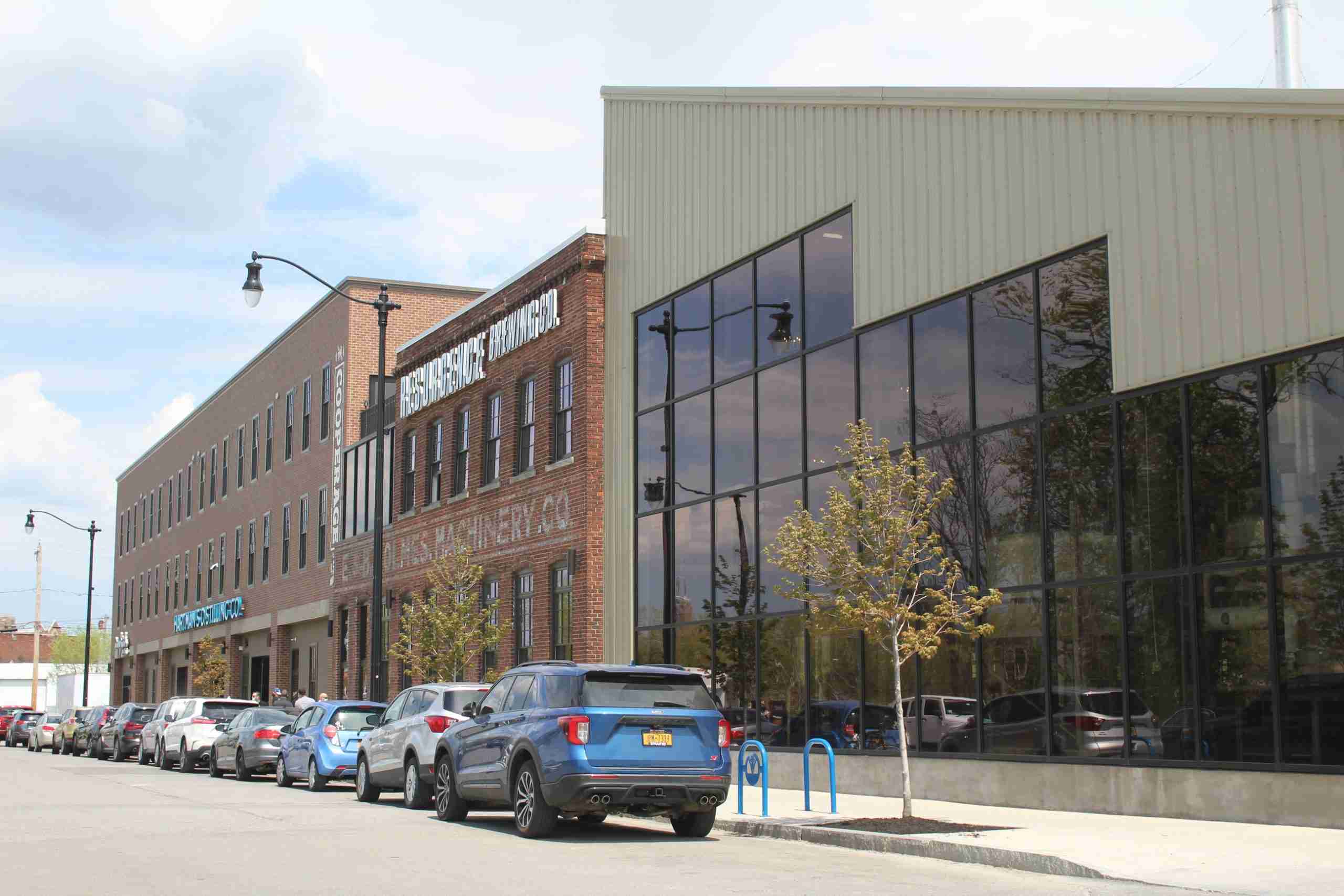
Brewery, Distillery & Food Production Roofing
Brewery, Distillery & Food Production Roofing is scoped around Dell Range Boulevard retail roofs, Lincolnway corridor storefronts, and South Cheyenne industrial sites. The scope stays practical: stop water first, document the roof, then choose the repair or replacement path that fits the building.
View Scope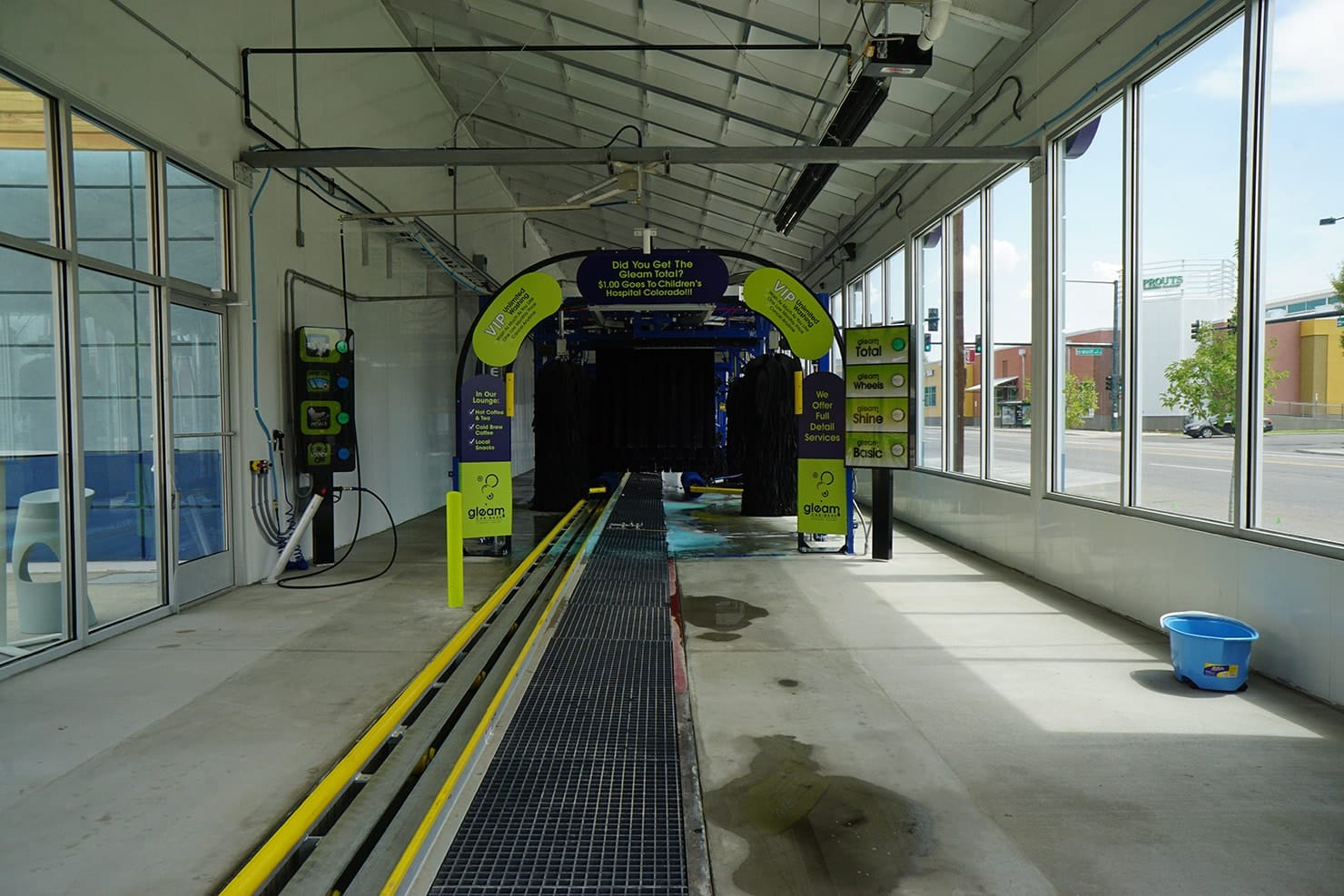
Car Wash Facility Roofing
Car Wash Facility Roofing is scoped around Cheyenne Regional Medical Center area offices, Cheyenne Regional Airport facilities, and High Plains wind and hail exposure. We keep access, weather windows, and tenant disruption in the plan before crews step onto the roof.
View Scope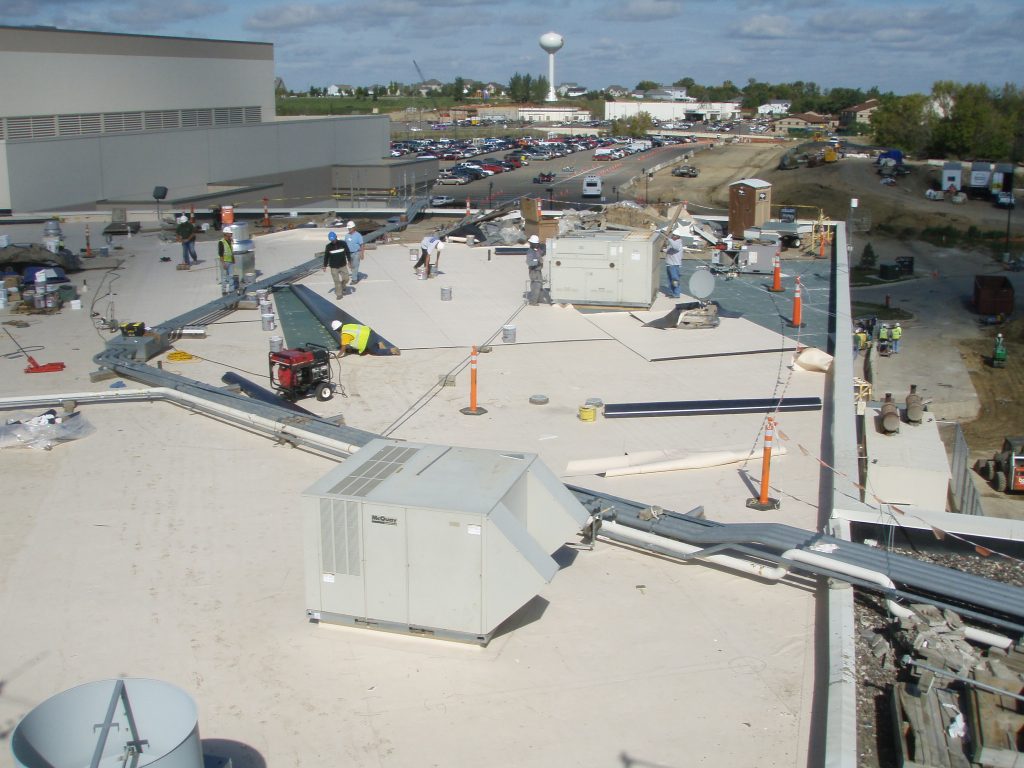
Casino & Entertainment Complex Roofing
Casino & Entertainment Complex Roofing is scoped around F.E. Warren Air Force Base area contractors, freeze-thaw cycles after spring storms, and Cheyenne Regional Medical Center area offices. Every recommendation is tied to observed conditions, not a prewritten roof package.
View ScopeGet the roof decision into writing.
Tell us what changed on the roof, where the building sits, and who needs the report. We will turn the next step into a clear scope.