 Contact Us Now
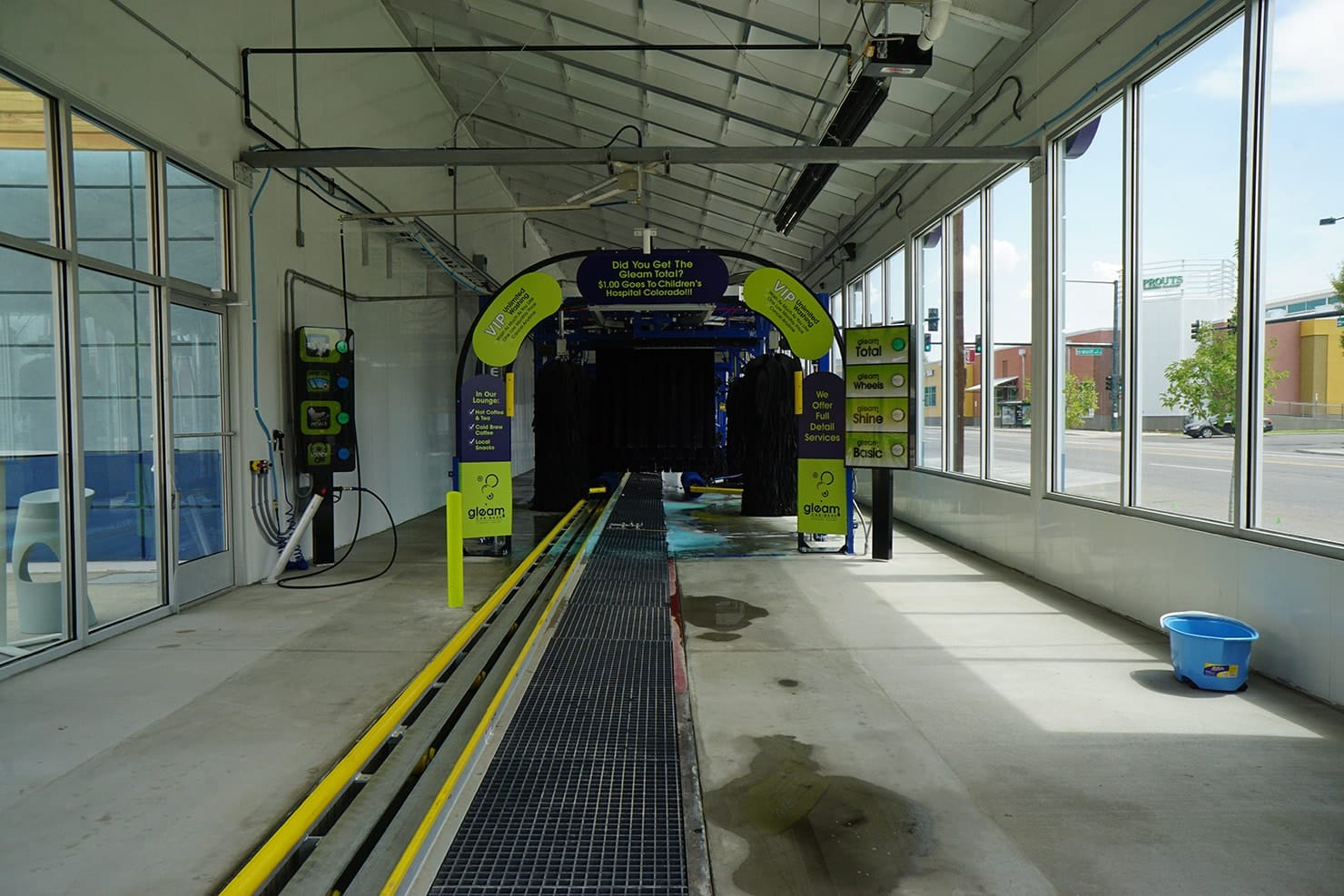
Car Wash Facility Roofing in Cheyenne, WY
Car Wash Facility Roofing is not useful until the roof condition, access plan, and weather risk are clear. We consider Cheyenne Regional Medical Center area offices, Cheyenne Regional Airport facilities, High Plains wind and hail exposure, and Laramie County public buildings before we recommend work.
That keeps the scope tied to the roof that is actually on the building: membrane condition, seams, metal, drainage, rooftop units, access, tenant needs, and timing.
A car wash roof in Cheyenne fails from the inside before it ever fails from the weather. Every cycle of a tunnel or in-bay wash pushes warm, saturated air up against the underside of the deck, and that vapor carries detergent, wax, tire-shine solvent, and acid-based brightener with it. We build car wash roofs for the operators along the Dell Range Boulevard retail strip, the College Drive frontage, and the newer wash sites that have gone up near the Interstate 25 and Interstate 80 interchange to catch traffic moving through southeast Wyoming. The problem is the same at all of them: the air inside the building is trying to corrode the roof apart while the Wyoming wind tries to peel it off.
Why a Cheyenne Car Wash Roof Is a Chemistry Problem First
Stand inside an active tunnel and look up. You will see condensation beading on the deck, on the bar joists, and on the heads of the fasteners that hold the roof down. That moisture is not clean water. It is loaded with the alkaline detergents and the acidic wheel cleaners that run through the arches, and it sits against unprotected steel for hours after the last car leaves. Over a few seasons that vapor rusts fastener heads, eats at the bar-joist top chords, and delaminates insulation from the deck. By the time a stain shows up on the ceiling, the damage has usually been working from the top of the deck downward for a long time.
Cheyenne makes this worse than it would be in a milder climate. We sit above 6,000 feet, the air outside is dry, and the temperature swings hard between day and night. So the warm, wet tunnel air hits a cold deck and a cold underside of membrane and gives up its moisture fast. That is a textbook condensation driver. A car wash roof here has to be designed as a vapor-control assembly, not just a waterproofing layer, or the building corrodes itself from within while the surface still looks fine from a drone shot.
What We Specify Differently for a Wash Bay
Over the active tunnel and the equipment room, we lean toward PVC membrane rather than TPO or EPDM. PVC holds up far better to the grease, the wax, and the detergent residue that get tracked and vented onto the roof surface, and its welded seams give us a monolithic surface that the chemical mist cannot creep into the way it creeps into taped or adhered laps. We pair that with a vapor retarder set at the deck, the right thickness of polyiso above it, and fasteners and plates rated for a corrosive interior rather than the bargain hardware that comes with a generic bid.
- PVC membrane over the tunnel and pump room, where chemical and steam exposure is heaviest.
- A deck-level vapor retarder so saturated bay air cannot reach the cold underside of the insulation and condense.
- Coated or stainless fasteners and induction plates chosen for a high-humidity, chemically loaded interior.
- Oversized, sealed curbs on every steam and exhaust fan so the wettest air leaves the building cleanly instead of pooling under the deck.
The Penetrations Are Where Wash Roofs Leak
A car wash roof is crowded. Reclaim-tank vents, blower exhausts, dryer stacks, the big tunnel exhaust fans, gas lines for the boiler, and conduit for the point-of-sale gear all break the membrane plane. Each one is a chemical chimney venting warm, contaminated air, and each one is a leak waiting to happen if it is flashed like an ordinary rooftop unit. We treat every penetration as its own detail. Exhaust fans get tall, welded curbs and counterflashing that shed water away from the opening. Vent stacks get welded boots instead of caulked storm collars, because sealant gives up fast under wash-bay heat and acid.
Drainage, Vacuum Canopies, and the Quiet Failures
Express sites built in the Cheyenne market tend to be tight, low-slope buildings where the roof was value-engineered down to the minimum slope the code would allow. That leaves water sitting on the deck after every storm and after the snowmelt that comes off our long winters. Ponding over a wash bay is doubly bad: it adds dead load over the most corroded part of the structure and it freezes and thaws against the seams. We laser-check the drainage on every inspection and add tapered insulation to move water to the drains when the existing slope cannot do it.
Then there are the vacuum canopies and the pay-station canopies out on the lot. These are usually steel-framed with a membrane or metal cover, and the transition where the canopy ties into the main building is the single most common chronic leak we find on Cheyenne wash properties. Vehicle exhaust, tire-shine overspray drifting off the cars, hail off the High Plains, and constant thermal movement all work that joint loose. We flash those tie-ins and re-detail the canopy gutters and downspouts as part of the same scope, so the whole site is sealed rather than just the building over the tunnel.
Working Around a Site That Never Closes
Cheyenne washes run seven days a week and most of them never want to give up a full day of car count, especially in spring when the roads are caked with magnesium-chloride deicer and everybody in Laramie County is trying to get it off their truck. We sequence the work so the tunnel roof gets done in early-morning or after-close windows and so the canopy and lot-side work happens behind traffic control during the day. Daily dry-in is confirmed before we leave, because an open deck over a wash bay and an afternoon Front Range thunderstorm do not mix.
Talk to Us Before the Next Stain Spreads
If you own or manage a wash in Cheyenne and you are seeing rust streaks on the deck, peeling paint on the bar joists, or a ceiling stain that keeps coming back, the membrane is only part of the story and probably not the urgent part. Let us pull a core, check the deck and fasteners from above and below, and tell you honestly how much life is left and what a corrosion-rated assembly would cost. Call 307-298-5073 or reserve a roofing consultation and we will get you a clear-eyed assessment of the building.
Car Wash Roofing Questions
Why does my wash roof rust from the inside?
The warm, chemical-laden air a wash generates rises and condenses on the cold underside of the deck and on the fasteners, especially in Cheyenne's dry, high-altitude climate where the temperature drops sharply at night. Without a proper vapor retarder and corrosion-rated hardware, that interior moisture corrodes steel and delaminates insulation long before the surface membrane wears out.
Is PVC really better than TPO over a tunnel?
For the wash bay and pump room, yes. PVC resists the detergents, waxes, and tire-shine residue that attack TPO and EPDM over time, and its hot-welded seams give a continuous surface the chemical mist cannot work into. We may still use TPO over low-exposure areas like a customer lobby, but the tunnel gets PVC.
Can you reroof while we stay open?
Yes. We schedule tunnel work for early mornings or after closing and keep canopy and lot work behind traffic control during the day. We confirm a watertight dry-in before leaving each day so an open deck is never exposed to an overnight storm.
Do you handle the vacuum and pay-station canopies?
We do. The canopy covers, their gutters and downspouts, and the flashing where they tie into the main building are all part of our scope. That building-to-canopy transition is the most frequent chronic leak we find on Cheyenne wash sites, so we re-detail it rather than patch it.
How do you stop the exhaust fans from leaking?
Each steam and exhaust fan gets a tall, hot-welded curb with counterflashing that drains water away from the opening, and vent stacks get welded boots instead of caulked collars. Sealant fails quickly under wash-bay heat and acid, so we avoid relying on it at any penetration.
Related Roof Work
Useful next pages for this roof decision.
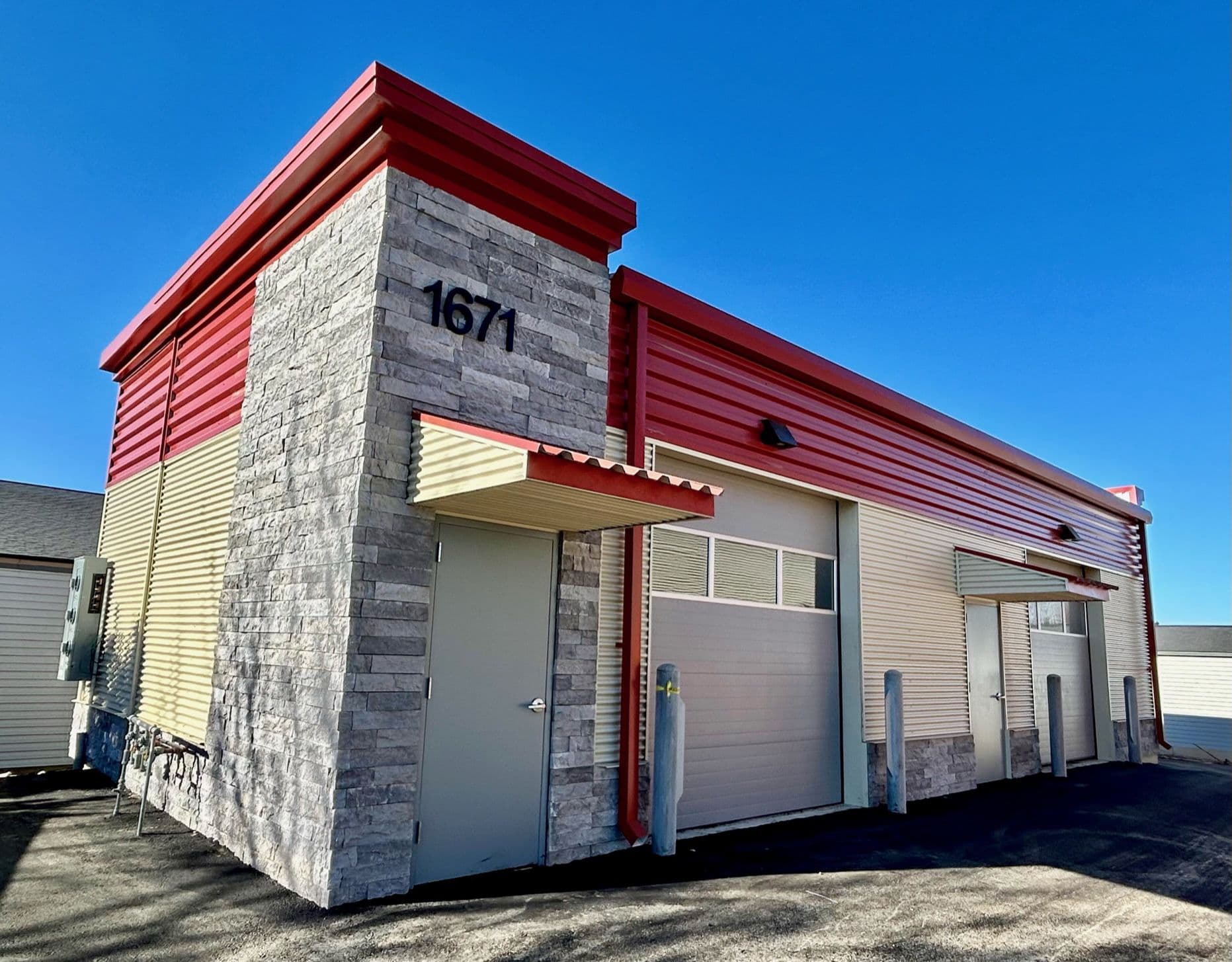
Industrial Flex Space Roofing
Industrial Flex Space Roofing is scoped around the I-25 and I-80 freight interchange, Frontier Mall and nearby service buildings, and snow drift at parapets and rooftop units. The scope stays practical: stop water first, document the roof, then choose the repair or replacement path that fits the building.
View Scope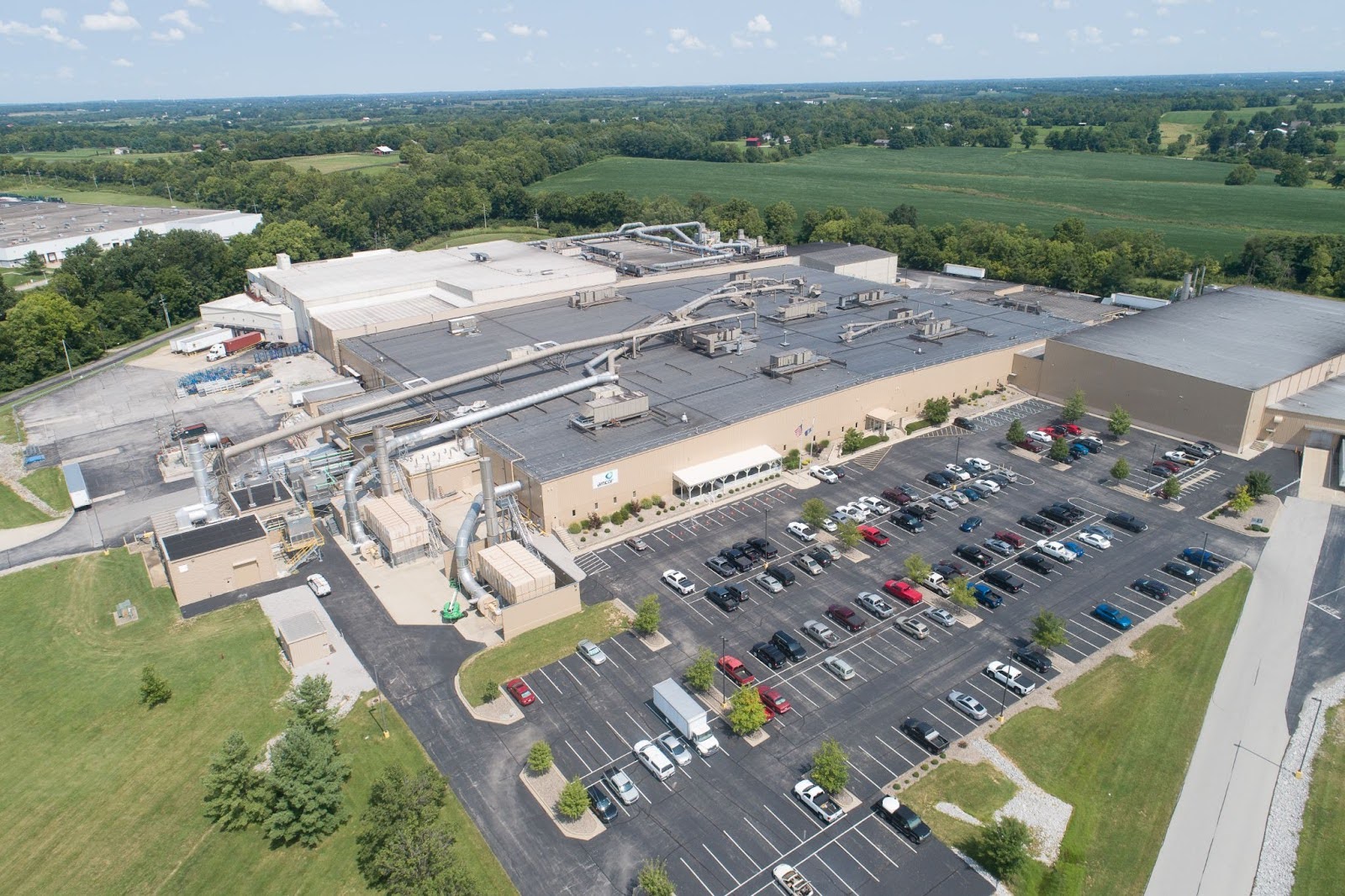
Manufacturing Plant Roofing
Manufacturing Plant Roofing is scoped around Cheyenne Logistics Hub properties, North Range Business Park warehouses, and the I-25 and I-80 freight interchange. We keep access, weather windows, and tenant disruption in the plan before crews step onto the roof.
View Scope
Medical Building Roofing
Medical Building Roofing is scoped around freeze-thaw cycles after spring storms, Cheyenne Regional Medical Center area offices, and Cheyenne Regional Airport facilities. Every recommendation is tied to observed conditions, not a prewritten roof package.
View ScopeGet the roof decision into writing.
Tell us what changed on the roof, where the building sits, and who needs the report. We will turn the next step into a clear scope.