 Contact Us Now
Food Processing Facility Roofing in Cheyenne, WY
The first move on Food Processing Facility Roofing is separating visible symptoms from the assembly condition below them. We consider North Range Business Park warehouses, the I-25 and I-80 freight interchange, Frontier Mall and nearby service buildings, and snow drift at parapets and rooftop units before we recommend work.
That keeps the scope tied to the roof that is actually on the building: membrane condition, seams, metal, drainage, rooftop units, access, tenant needs, and timing.
A food plant works its roof from two directions at once, and both of them are brutal. From below, washdown steam and process humidity push warm, wet air up against the deck around the clock. From above, the roof carries the heaviest mechanical loads in commercial construction: refrigeration condensers, blast-freezer equipment, big makeup-air units, and the platforms and piping that tie them together. We build roofs for the processors and cold-storage operators in Cheyenne, from the rail-served distribution and packing facilities out by the Logistics Hub and the Swan Ranch industrial area near the I-25 and I-80 split, to the food and beverage plants spread through the business parks of Laramie County. On these buildings the roof is a piece of the food-safety system, not just a cover.
Two Humidity Problems Working at Once
Sanitation crews hose down a processing floor with hot water and chemical sanitizer, and that turns into a wall of steam that rises straight into the underside of the deck. Cooking, blanching, and packaging lines add their own moisture all shift long. In Cheyenne that vapor meets a deck that the high-altitude climate keeps cold, and the result is condensation forming inside the assembly where nobody can see it. Left unmanaged, that hidden moisture corrodes the deck, soaks the insulation, and breeds the kind of microbial growth a food plant cannot tolerate, all while the surface membrane still looks intact. The fix is not a thicker membrane. It is a vapor retarder placed correctly for our climate, so the wet interior air never reaches the cold layers above it.
Refrigeration and Freezer Loads the Structure Has to Carry
Cold storage and freezing change the roof in two ways. First, the equipment is heavy and concentrated: condensing units, evaporative coolers, and the access platforms around them put real point loads on the structure, and we confirm the deck and framing can take the assembly and the equipment before we add insulation weight. Second, the air below a freezer or chill room is far colder than the air outside in summer, which flips the direction moisture wants to travel through the roof. Over those rooms we design a tapered insulation and vapor-control assembly tuned to the actual operating temperature and to Cheyenne's swing from sub-zero winters to hot, dry summers. Get the vapor drive wrong over a freezer and you get ice forming inside the roof, dripping when it thaws, and corroding the deck from above without ever showing as a leak.
- A correctly positioned vapor retarder so washdown and process humidity cannot condense inside the assembly.
- A structural check of the deck and framing for refrigeration units, freezer equipment, and their platforms before any insulation is added.
- Tapered insulation tuned to each room's operating temperature, especially over chill and blast-freeze spaces where the vapor drive reverses.
- Membranes, fasteners, and details chosen to handle constant high humidity and standing-water risk on a low-slope deck.
Drainage Is Not Optional Over a Freezer
Ponding water is a problem on any roof, but over refrigerated space it is a double hit: the standing water adds dead load and it sits as a thermal sponge over the part of the building you are spending the most money to keep cold. Our winters here also dump snow that drifts in the wind and melts unevenly, so water collects in the low spots a flat roof always seems to develop. We laser-check slope on every survey and build tapered insulation to drive water firmly to the drains and scuppers, so it leaves the roof instead of loading the structure and freezing against the seams.
Penetrations, Sanitation, and Material Choices
A processing roof is dense with refrigeration lines, exhaust fans, sanitary vents, and equipment curbs, and each one breaks the membrane. We flash every penetration as its own welded detail, because a hot-welded boot or curb holds where a caulked one fails under constant humidity. Material selection matters too: not every roofing product, adhesive, or sealant is appropriate above food production, so we confirm what we are putting over the line against the facility's food-safety requirements before it goes on. Bright white reflective membrane is usually the right call, both to cut the summer load our intense sun puts on the building and because it keeps the roof surface easy to inspect.
Working Around the Production Schedule
Most plants in the Cheyenne area run two or three shifts and treat the weekly sanitation window as the only real opening in the calendar. We plan the roofing sequence around that, not the other way around. Work that opens the deck over an active line is confined to sanitation windows or planned shutdowns, with the floor protected and the plant's quality and maintenance leads signed off before we cut. Every opening is dried-in and watertight before we leave for the day, because an exposed deck and an afternoon thunderstorm rolling off the Front Range would put water straight onto a food line.
When a Leak Does Happen
A roof leak over an active production line is not a routine repair, it is a potential food-safety event that may force a product hold and documentation. We set up emergency contact and priority response for the plants we work with, so a temporary dry-in goes in fast and the paperwork your quality team needs gets generated, rather than leaving you to manage a wet line on your own. The goal, though, is to design and maintain the roof so that call never has to happen.
Get a Survey Before the Hidden Damage Spreads
If you run a processing or cold-storage facility in Cheyenne and you are seeing deck corrosion, soft insulation, frost inside the roof, or chronic ponding, the real problem is usually moisture moving through the assembly, and it spreads quietly. Let us core the roof, check the deck from above and below, and lay out an assembly built for washdown humidity and refrigeration loads. Call 307-298-5073 or reserve a roofing consultation to get a clear picture of your building.
Food Processing Facility Roofing Questions
Why is my deck corroding when there is no visible leak?
Washdown steam and process humidity rise and condense on the cold underside of the deck and inside the insulation, which Cheyenne's climate makes worse. That hidden moisture corrodes the deck and soaks the insulation without ever showing as a surface leak. The answer is a vapor retarder placed correctly for our climate so the wet interior air cannot reach the cold layers above.
Can the roof handle my refrigeration equipment?
We confirm it. Before adding insulation weight we check the deck and framing against the point loads from condensing units, freezer equipment, and their platforms, and we design the assembly so the structure carries everything safely.
How do you keep moisture out of the roof over a freezer?
Over chill and blast-freeze rooms the cold interior reverses the direction moisture wants to travel, so we tune the vapor retarder and tapered insulation to that room's operating temperature. Done wrong, ice forms inside the roof and corrodes the deck from above, so this detail is engineered, not standardized.
Will roofing work shut down my production?
No. We confine deck-opening work to your sanitation windows or planned shutdowns, protect the floor, and get sign-off from your quality and maintenance leads before cutting. Every opening is dried-in and watertight before we leave each day.
Are your roofing materials safe to use over food production?
We confirm every membrane, adhesive, and sealant against your facility's food-safety requirements before it goes over a production area, since not every roofing product is appropriate there. We typically specify bright reflective membrane to cut summer heat load and keep the surface easy to inspect.
Related Roof Work
Useful next pages for this roof decision.
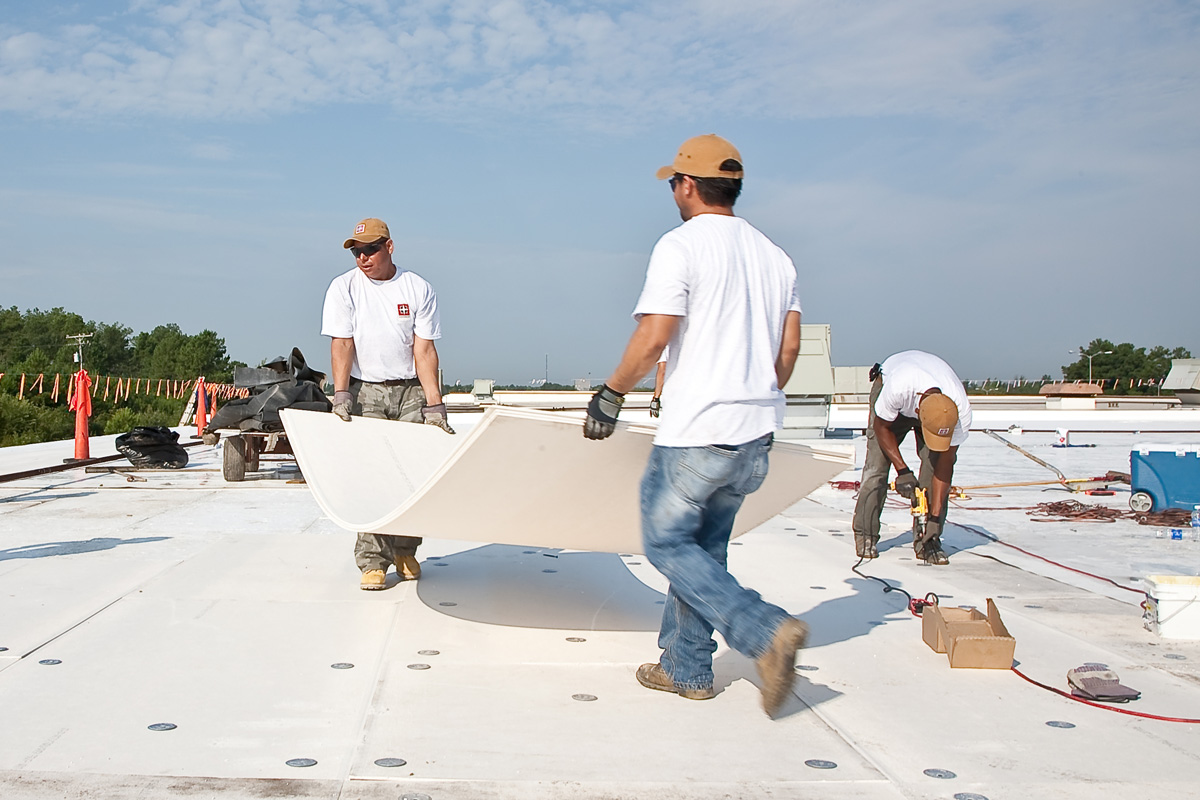
Multifamily Commercial Roofing
Multifamily Commercial Roofing is scoped around F.E. Warren Air Force Base area contractors, freeze-thaw cycles after spring storms, and Cheyenne Regional Medical Center area offices. The scope stays practical: stop water first, document the roof, then choose the repair or replacement path that fits the building.
View Scope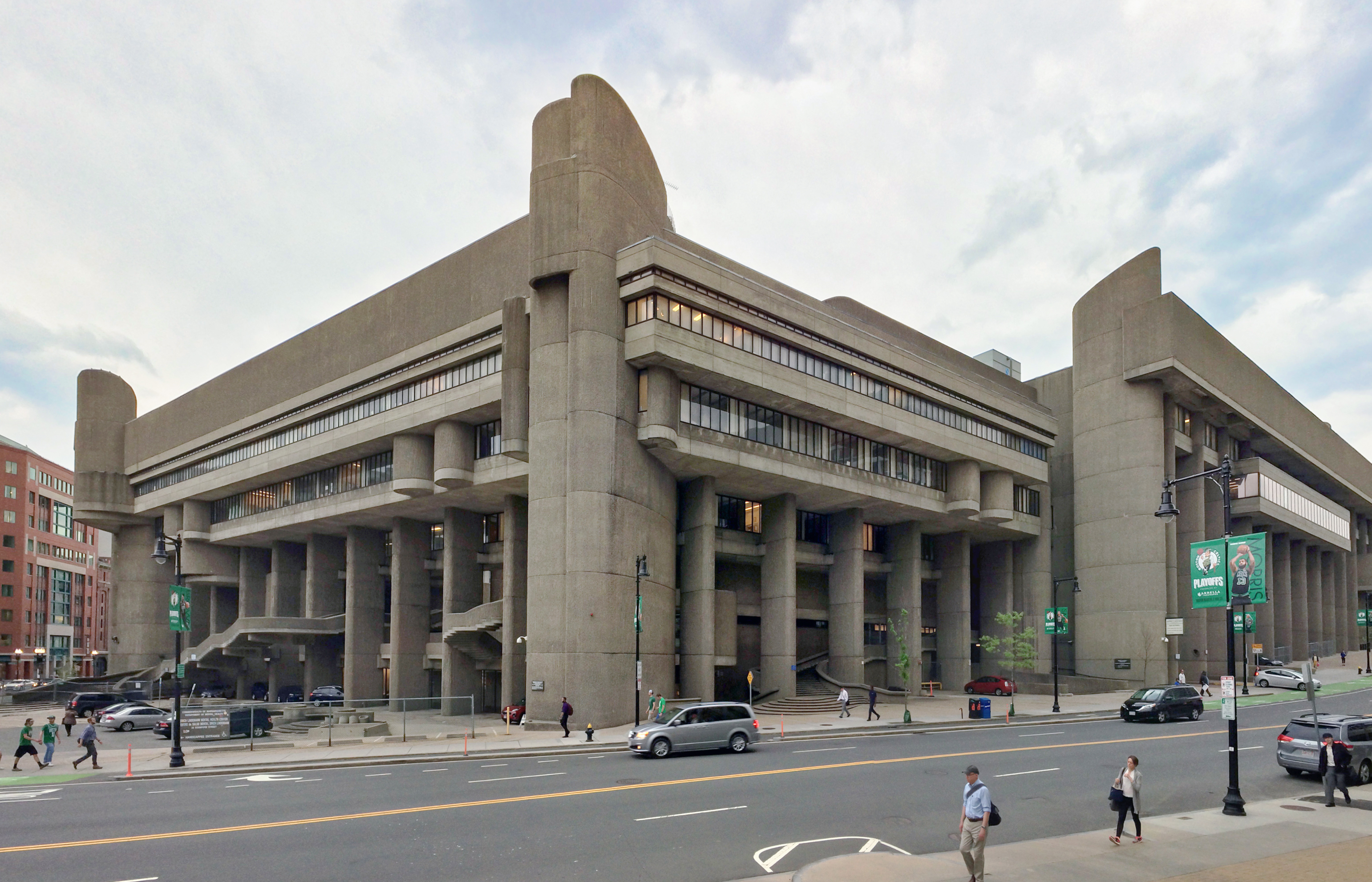
Municipal Building Roofing
Municipal Building Roofing is scoped around Dell Range Boulevard retail roofs, Lincolnway corridor storefronts, and South Cheyenne industrial sites. We keep access, weather windows, and tenant disruption in the plan before crews step onto the roof.
View Scope
Museum & Cultural Facility Roofing
Museum & Cultural Facility Roofing is scoped around Frontier Mall and nearby service buildings, snow drift at parapets and rooftop units, and Capitol Avenue office buildings. Every recommendation is tied to observed conditions, not a prewritten roof package.
View ScopeGet the roof decision into writing.
Tell us what changed on the roof, where the building sits, and who needs the report. We will turn the next step into a clear scope.