 Contact Us Now
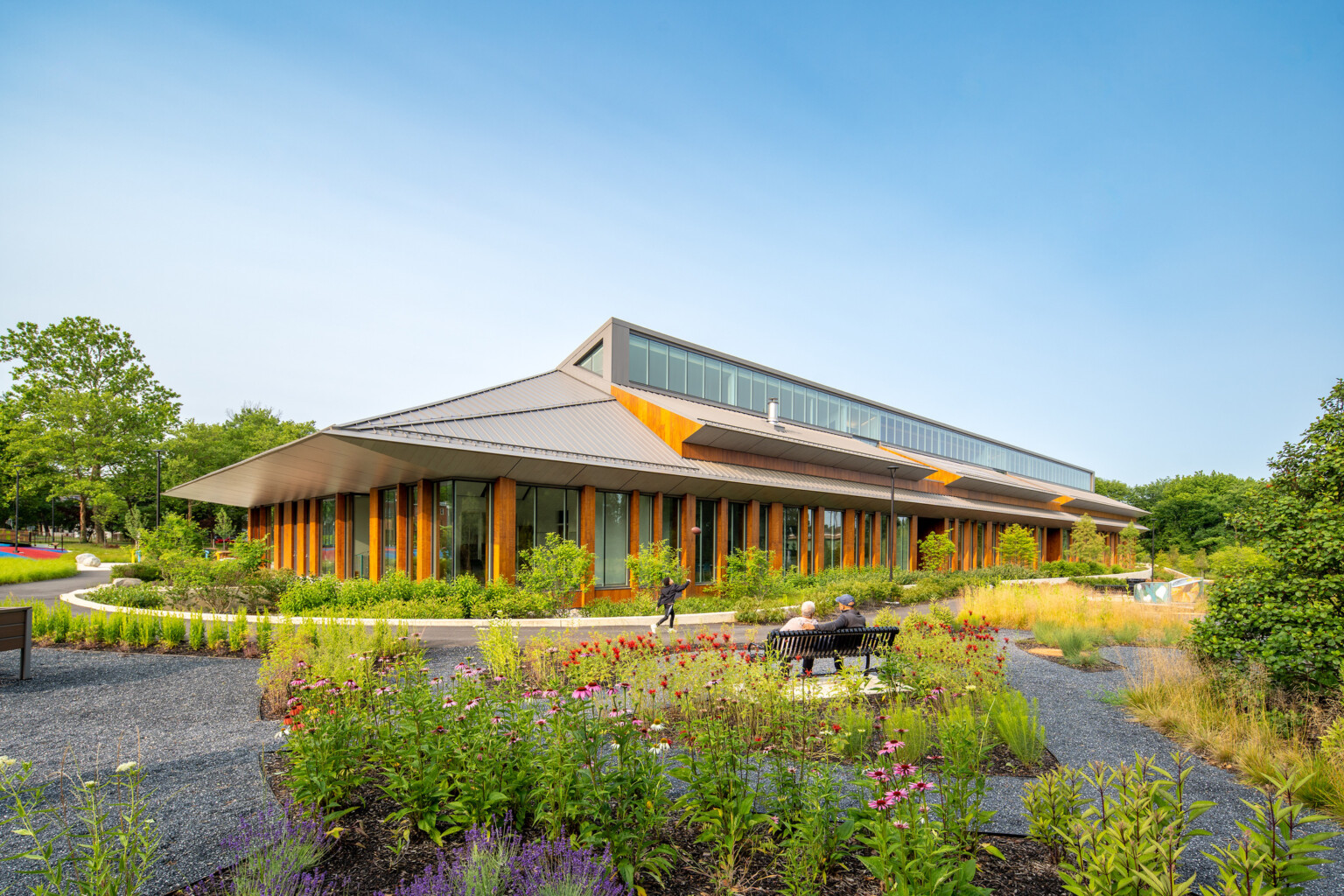
Fitness Center & Gym Roofing in Cheyenne, WY
Fitness Center & Gym Roofing is not useful until the roof condition, access plan, and weather risk are clear. We consider South Cheyenne industrial sites, Laramie County business parks, Cheyenne Logistics Hub properties, and North Range Business Park warehouses before we recommend work.
That keeps the scope tied to the roof that is actually on the building: membrane condition, seams, metal, drainage, rooftop units, access, tenant needs, and timing.
The Problem With a Gym Roof Starts Underneath It
Most building owners think of a roof as a barrier against water coming down. On a fitness center, the harder problem is water trying to go up. Shower rooms, steam rooms, hot tubs, and any indoor pool push warm, humid air against the underside of the roof deck all day. In Cheyenne, where outside air sits cold and dry for much of the year, that interior moisture wants to migrate up and condense the moment it hits a cool surface inside the assembly. A gym roof that leaks in February often has no hole in the membrane at all, it has water condensing inside the insulation because the vapor control was wrong from the start. We design for that vapor drive as part of the assembly, not as something to chase after the ceiling tiles stain.
Cheyenne's gym and wellness inventory runs from the national clubs along the Dell Range Boulevard retail belt out near the Frontier Mall, to independent training studios in converted flex space off Converse and Pershing, to the recreation buildings tied to the city's parks system and the membership facilities serving F.E. Warren Air Force Base personnel and their families. Add the new construction following small-building growth on the city's north and east edges, and the result is a steady mix of pool-equipped clubs, dry training gyms, and multi-room wellness centers, each with a different moisture profile and a different roof to match.
A Penetration Count That Surprises People
Open a fitness center roof hatch and the first thing you notice is how crowded it is. High-occupancy training floors need high-volume air handling to manage the heat, carbon dioxide, and moisture a full class generates. Group exercise rooms, locker rooms, saunas, and pool enclosures each carry dedicated ventilation with their own rooftop supply and exhaust. Count the penetrations per thousand square feet and a gym typically runs two to three times what a retail box of the same footprint shows. Every one of those curbs and ducts is a place water can get in, and under the humidity these buildings generate, a generic flashing detail is not enough. We flash each penetration for the conditions a gym actually creates, and we raise or rebuild undersized curbs so the new membrane meets the height a manufacturer warranty requires, a defect we find constantly on older Cheyenne club buildings.
The Right Assembly for a Humid Building in a Dry Climate
For a club with a pool, steam room, or large wet area, our preference is a fully adhered 60-mil TPO or PVC. An adhered system eliminates the field of mechanical fasteners that, on a high-humidity building, become tiny thermal bridges and condensation points punched straight through the assembly. It also lets us position the vapor control correctly for Cheyenne's climate zone so interior moisture stops short of the cold side of the insulation. For a dry training gym with no pool or steam, a 60-mil mechanically attached TPO is appropriate and more economical, the moisture load simply is not there to justify the upgrade. The deciding factor is always what happens inside the building, not the square footage on the roof.
White membrane does double duty here. Beyond meeting the cool-roof language now common on commercial reroof permits, a reflective surface keeps the rooftop units cooler and eases the cooling load a packed gym floor puts on them through a high-plains summer. On the wind-exposed sites toward the airport and the open ground east of the interstate, we pay particular attention to perimeter and corner fastening, Cheyenne's gusts test edge details before they ever test the field.
Roofing a Building That Never Really Closes
Gyms open at five in the morning and many run past midnight, seven days a week, every week of the year. There is no comfortable overnight window where the building empties out, so the schedule has to be tuned to continuous operation. We coordinate the work plan with the club's facilities team before mobilizing: crew start times, noise limits over occupied locker rooms, and the HVAC service windows that keep indoor air quality within the state health requirements that govern commercial pools. Pool chemical deliveries and mechanical maintenance get worked into the sequence rather than colliding with it. Tear-off and dry-in windows are confirmed in writing each day, and the gym manager gets a daily status note confirming the roof is watertight before the next operating cycle begins.
Independent Owners and National Brands Both
Many Cheyenne clubs operate under national brands with corporate facilities departments and approved-vendor processes. We work inside those processes for chain locations and directly with independent gym owners and the commercial real estate investors who hold these buildings. Either path produces the same closeout package: the building permit and final inspection, manufacturer warranty registration, a roof zone diagram with the full penetration inventory, drain and flashing inspection records, and photo documentation of every completed detail, formatted to match a corporate facility management system when one is involved, or delivered straight to the owner when it is not.
Fitness Center & Gym Roofing Questions
How do you address condensation from pool areas and locker rooms?
Interior vapor drive needs a correctly positioned vapor control layer inside the assembly, not just a tight membrane on top. We review the existing insulation, confirm the vapor control position is right for Cheyenne's climate zone, and specify the assembly accordingly. Getting it wrong traps moisture and destroys insulation R-value within a few seasons.
What membrane systems work best for fitness centers?
Fully adhered 60-mil TPO or PVC for clubs with pools or steam rooms, because the adhered system removes the fastener field and improves vapor resistance. A dry training gym with no wet areas is well served by a more economical mechanically attached TPO.
How is work scheduled around 24-hour or early-morning operations?
We set the schedule with the facilities team before mobilizing, confirm tear-off and dry-in windows in writing each day, and send the manager a daily watertight confirmation. Start times and noise limits near occupied locker rooms are documented up front.
Do you handle rooftop HVAC curb work as part of the scope?
Yes. Curb flashing is standard scope. We document every curb and clearance before pricing, and we raise or replace undersized curbs so the new membrane meets warranty requirements.
What documentation do you provide at closeout?
Permit and final inspection, manufacturer warranty registration, a roof zone diagram with penetration inventory, drain and flashing inspection records, and full photo documentation, formatted for corporate facility systems when applicable.
Related Roof Work
Useful next pages for this roof decision.
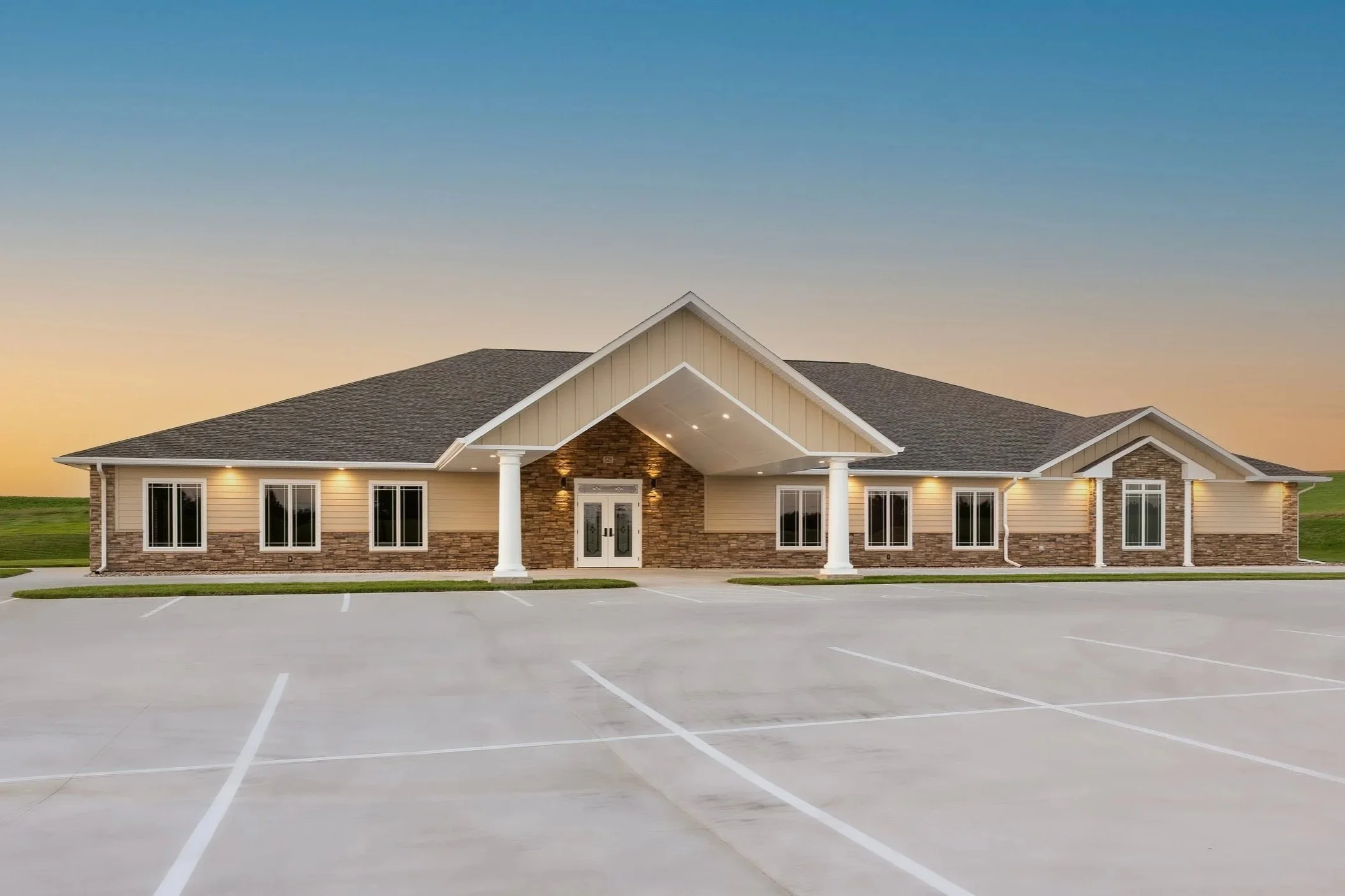
Funeral Home & Mortuary Roofing
Funeral Home & Mortuary Roofing is scoped around Capitol Avenue office buildings, F.E. Warren Air Force Base area contractors, and freeze-thaw cycles after spring storms. The scope stays practical: stop water first, document the roof, then choose the repair or replacement path that fits the building.
View Scope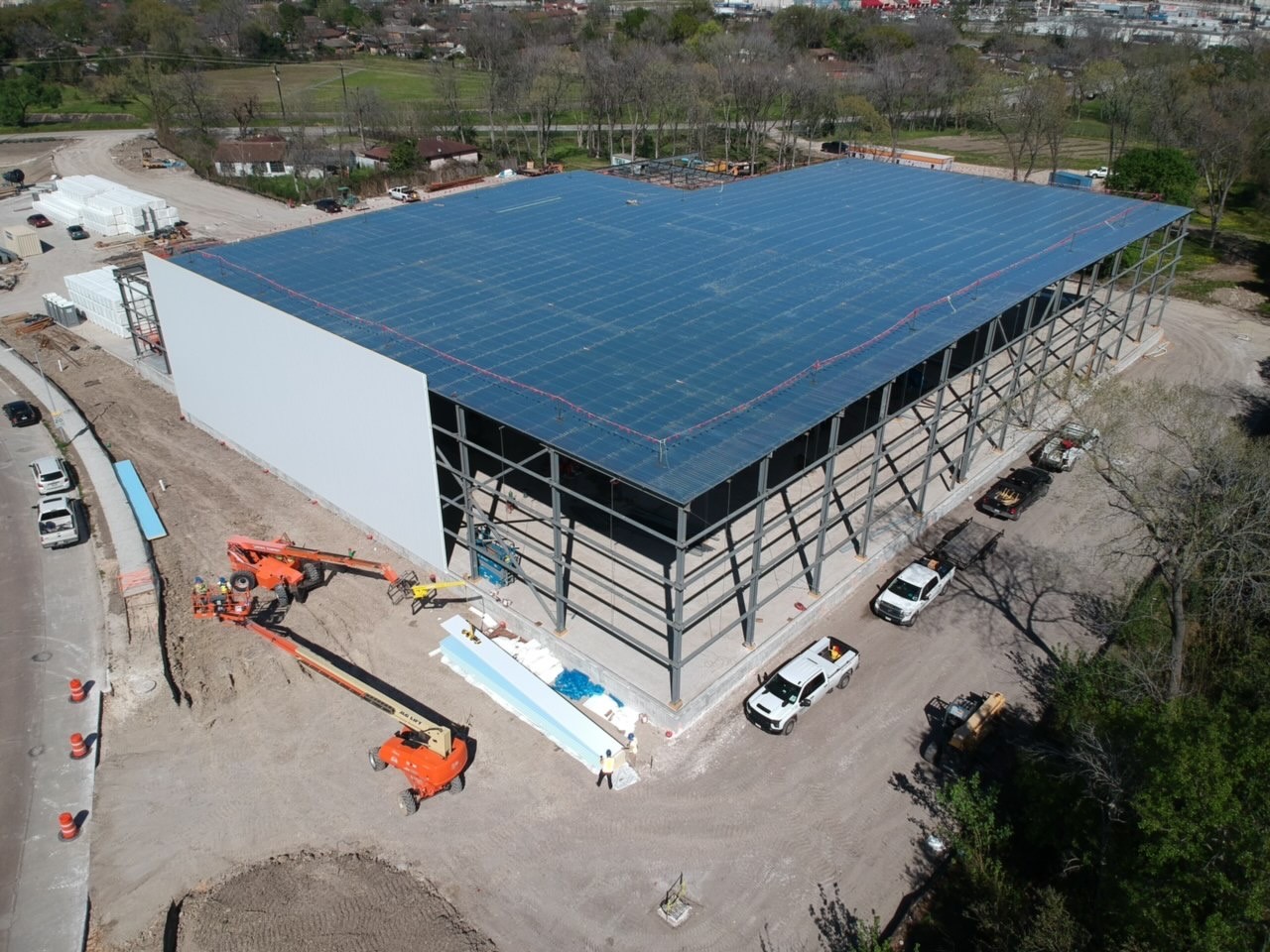
Grocery and Cold Storage Roofing
Grocery and Cold Storage Roofing is scoped around Capitol Avenue office buildings, F.E. Warren Air Force Base area contractors, and freeze-thaw cycles after spring storms. We keep access, weather windows, and tenant disruption in the plan before crews step onto the roof.
View Scope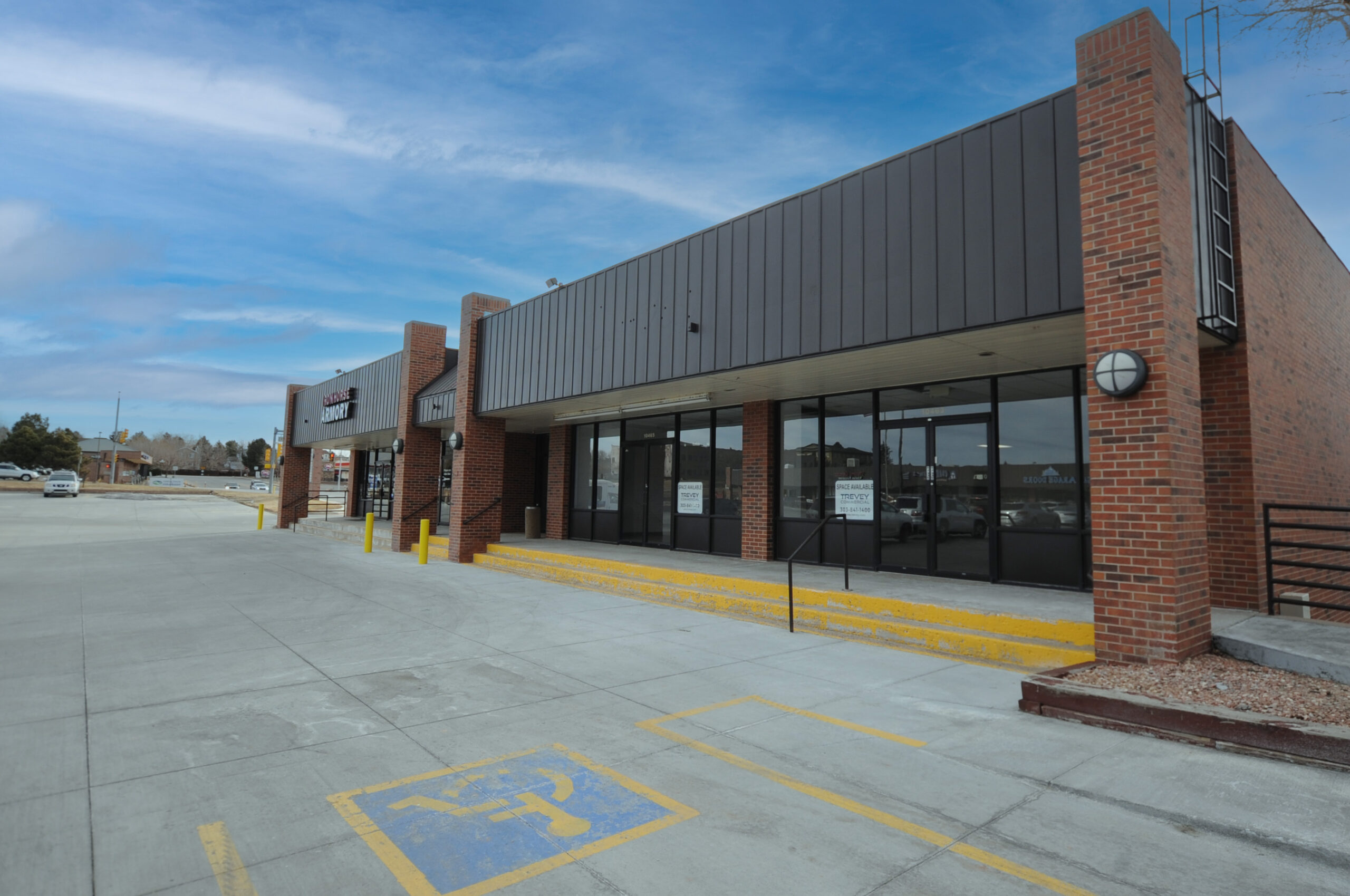
Grocery Store Roofing
Grocery Store Roofing is scoped around South Cheyenne industrial sites, Laramie County business parks, and Cheyenne Logistics Hub properties. Every recommendation is tied to observed conditions, not a prewritten roof package.
View ScopeGet the roof decision into writing.
Tell us what changed on the roof, where the building sits, and who needs the report. We will turn the next step into a clear scope.