 Contact Us Now
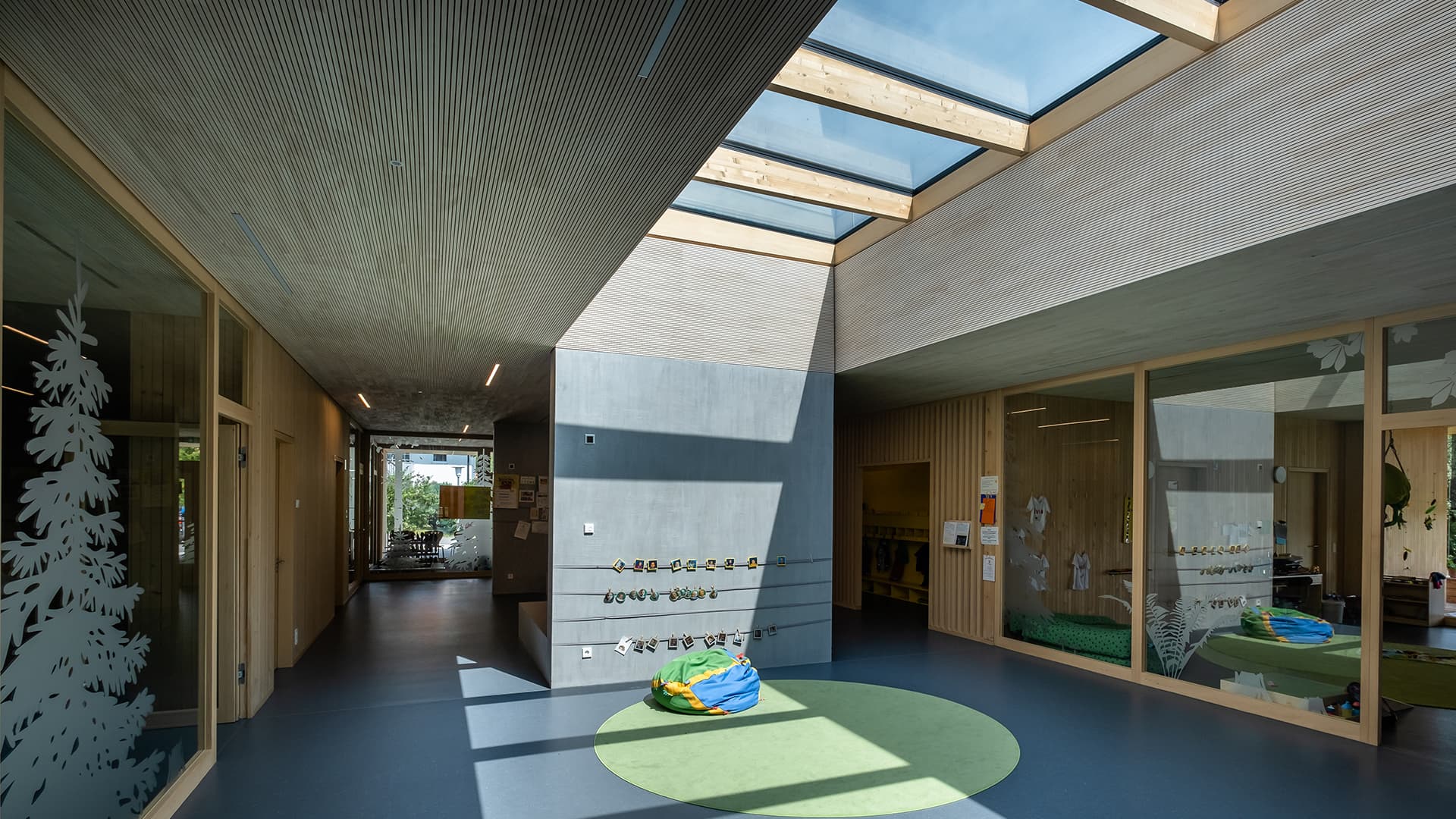
Daycare & Childcare Facility Roofing in Cheyenne, WY
For Daycare & Childcare Facility Roofing, we look at the roof as an operating asset, not a one-time line item. We consider South Cheyenne industrial sites, Laramie County business parks, Cheyenne Logistics Hub properties, and North Range Business Park warehouses before we recommend work.
That keeps the scope tied to the roof that is actually on the building: membrane condition, seams, metal, drainage, rooftop units, access, tenant needs, and timing.
Licensing compliance documentation is the primary risk management concern for childcare facility re-roofing in Cheyenne. A licensed childcare facility that fails to notify the state licensing agency before construction, or that cannot produce a safety plan when the licensor visits during construction, faces citation and potential license suspension, consequences that go far beyond the inconvenience of a scheduling problem. We produce the licensing notification and safety plan documentation as standard pre-construction deliverables. The facility director reviews and submits them to the licensing agency. We provide the documents.
General liability coverage for childcare facility roofing in Cheyenne requires specific endorsements that some contractors do not carry. Coverage for work at childcare facilities often requires confirmation that the contractor holds EPA RRP certification (because unlicensed renovation at a child-occupied facility creates a federal enforcement exposure), lead paint abatement certification if abatement work is in scope, and completed-operations coverage that extends through the warranty term. We verify our coverage configuration for childcare work before accepting the proposal, not after the contract is signed.
Insurance documentation at project closeout for a licensed childcare facility in Cheyenne goes into a regulatory file, not just an asset management folder. The licensing agency may request the contractor's certificate of insurance, the EPA RRP certification, and the safety plan documentation as part of an audit following construction. We provide the closeout package in a format that supports both the facility's licensing file and the property manager's asset management system: contractor credentials, permit records, warranty registration, lead remediation records (if applicable), and photographic documentation of completed work.
Daycare & Childcare Roofing, Compliance & Documentation Questions
What documentation does the state licensing agency require before construction at a childcare facility?
Requirements vary by state, but most licensing agencies require written notification from the facility director before construction begins, a construction safety plan documenting how child safety will be maintained during work, and confirmation that construction activity will not compromise the facility's compliance with health and safety standards for licensed childcare operations. We prepare the notification letter and safety plan for the director's review and submission. The director is the licensee, they submit to the licensing agency; we provide the supporting documents.
What does the lead remediation documentation include?
Lead remediation documentation for a pre-1978 childcare facility in Cheyenne includes: pre-project lead assessment results (test results by location), work practice compliance log (documenting containment, HEPA cleanup, and waste disposal for each work session), waste disposal manifest for lead-containing materials, and post-work clearance verification confirming that lead dust levels in the affected areas are below EPA clearance standards. The complete documentation set goes into the facility's licensing file and the property's asset management file.
What insurance certificates does a licensed childcare operator need from the roofing contractor?
At minimum: a certificate of general liability insurance naming the facility operator as additional insured, with limits meeting or exceeding the requirements in the construction contract; a certificate of workers' compensation coverage; EPA RRP certification documentation (for pre-1978 facilities); and a copy of the contractor's WY roofing license. For public or nonprofit childcare operators, additional insured endorsement requirements may include the property owner, the licensing agency, and any grant-funding organization involved in capital improvements.
How does warranty documentation work for a licensed childcare facility?
Manufacturer warranty registration for a childcare facility's roof goes to both the property owner and the facility operator's asset management file. If the facility is a leased building, the warranty is typically issued to the property owner with a copy provided to the operator. We include warranty registration confirmation in the closeout package, along with the manufacturer's warranty certificate, the contractor's workmanship warranty, and the inspection schedule required to maintain warranty validity. The licensing agency may request warranty documentation during a facility audit.
What is the contractor's liability for a licensing violation caused by construction?
Construction-related licensing violations, citations for failure to maintain safe conditions, inadequate safety plan, or non-notification of construction, are typically the facility operator's regulatory exposure, not the contractor's. However, a contractor who performs work that directly causes a licensing problem (e.g., leaves the site unsafe after a weekend, uses chemicals without disclosing them to the director, or fails to follow agreed safety protocols) may face civil liability for consequential damages. Our safety plan and pre-construction coordination process is designed to eliminate this risk entirely.
Related Roof Work
Useful next pages for this roof decision.
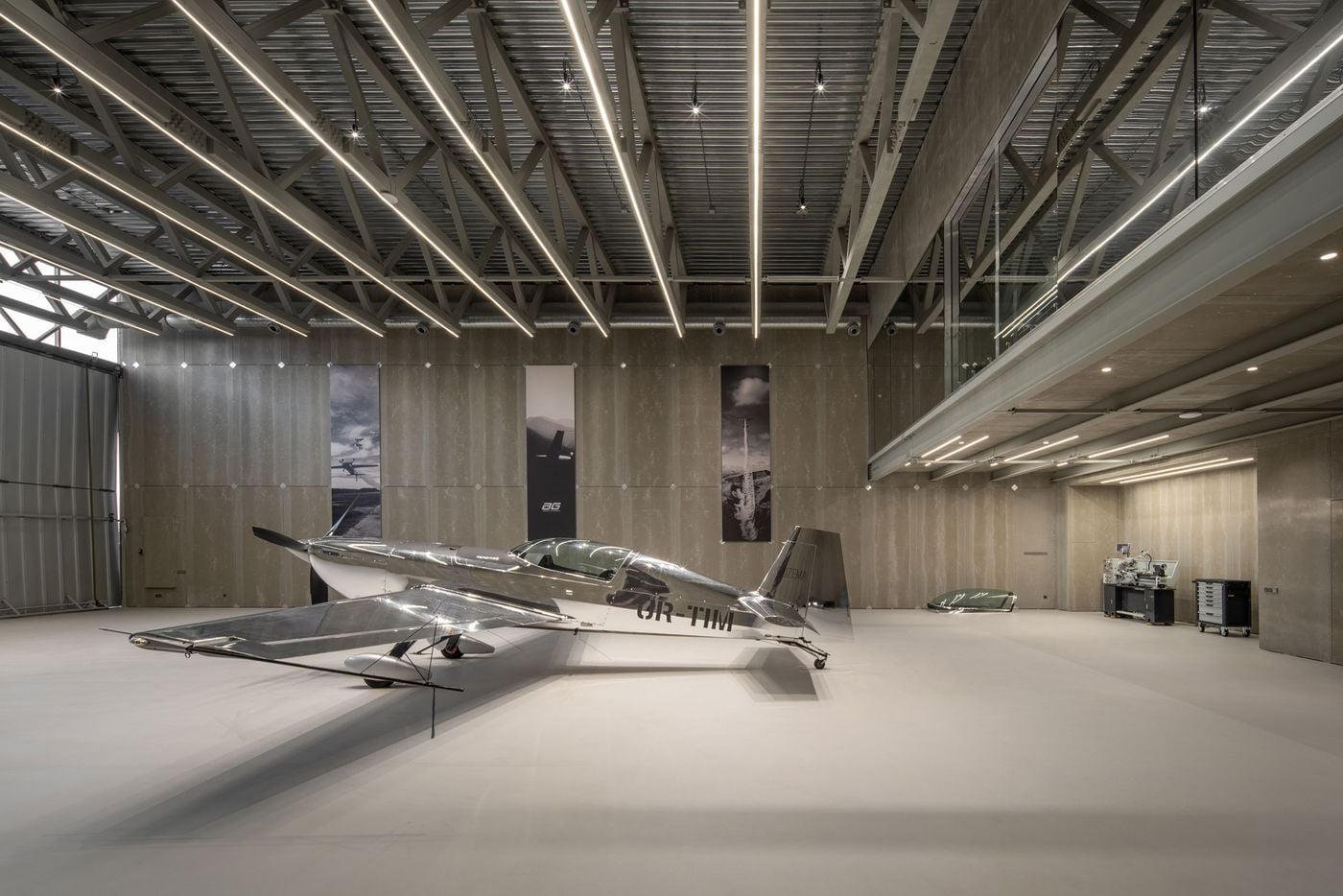
Airport and Transportation Roofing
Airport and Transportation Roofing is scoped around South Cheyenne industrial sites, Laramie County business parks, and Cheyenne Logistics Hub properties. The scope stays practical: stop water first, document the roof, then choose the repair or replacement path that fits the building.
View Scope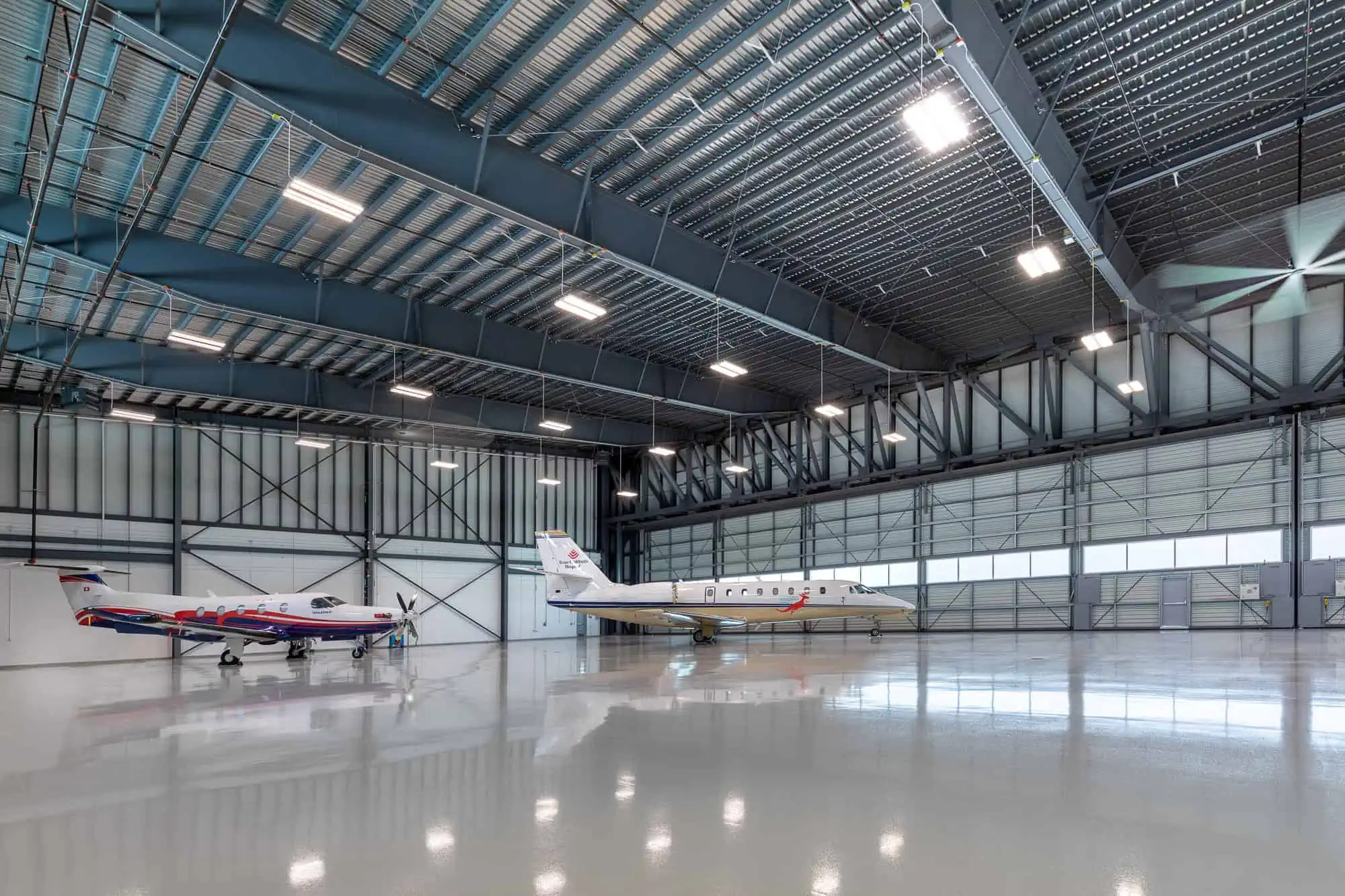
Airport Terminal & Aviation Facility Roofing
Airport Terminal & Aviation Facility Roofing is scoped around Lincolnway corridor storefronts, South Cheyenne industrial sites, and Laramie County business parks. We keep access, weather windows, and tenant disruption in the plan before crews step onto the roof.
View Scope
Automotive Dealership Roofing
Automotive Dealership Roofing is scoped around F.E. Warren Air Force Base area contractors, freeze-thaw cycles after spring storms, and Cheyenne Regional Medical Center area offices. Every recommendation is tied to observed conditions, not a prewritten roof package.
View ScopeGet the roof decision into writing.
Tell us what changed on the roof, where the building sits, and who needs the report. We will turn the next step into a clear scope.